

High Splat Back Chairs
High splat back chairs bring traditional character to a room, offering sturdy seating formed through centuries of regional craftsmanship.
High Splat Back Chairs
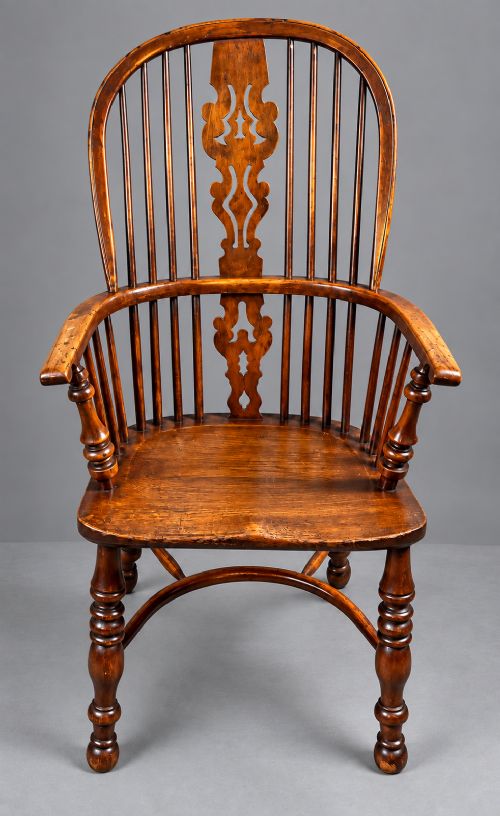
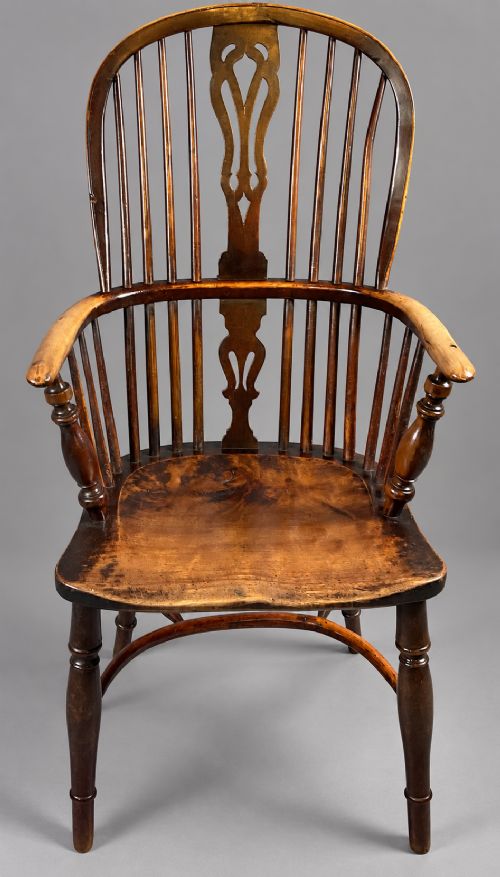
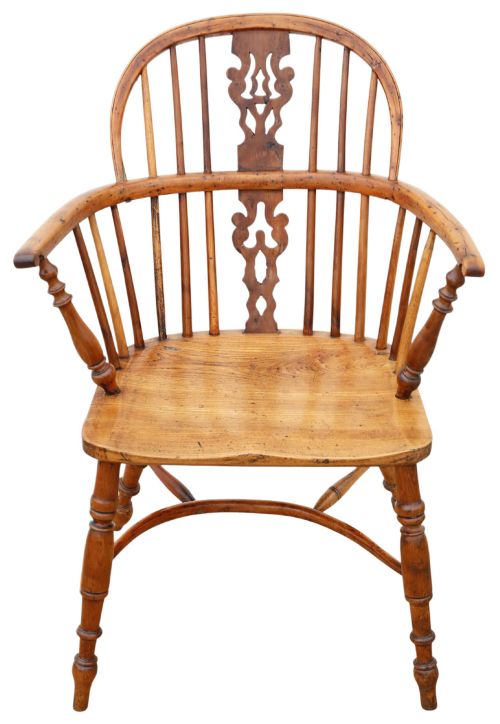
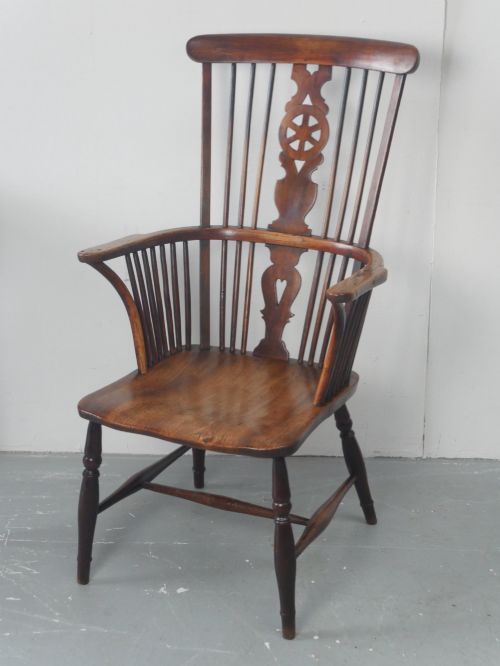
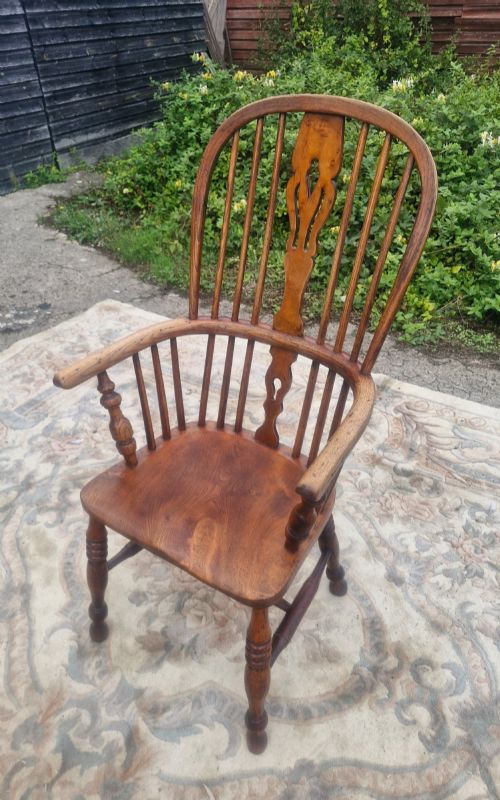
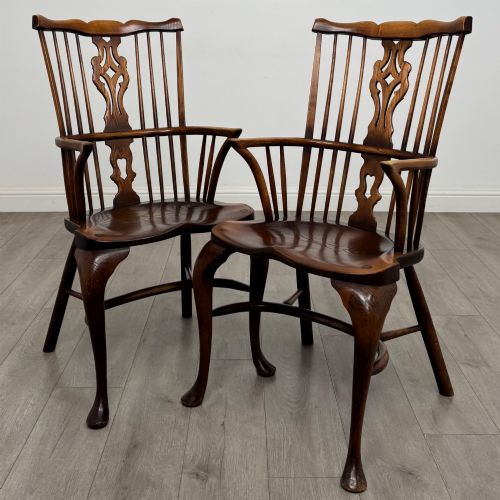
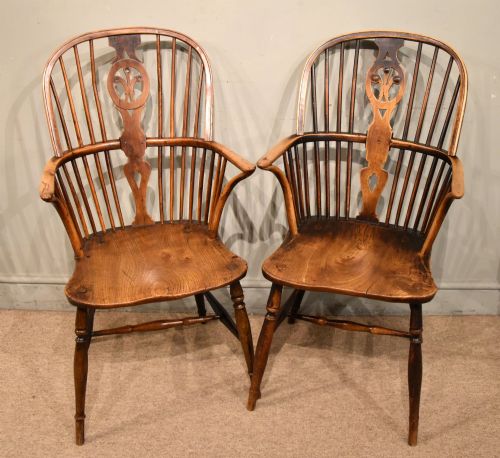
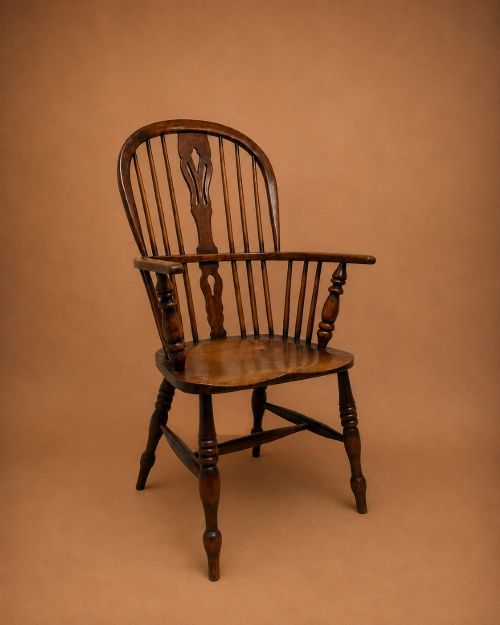
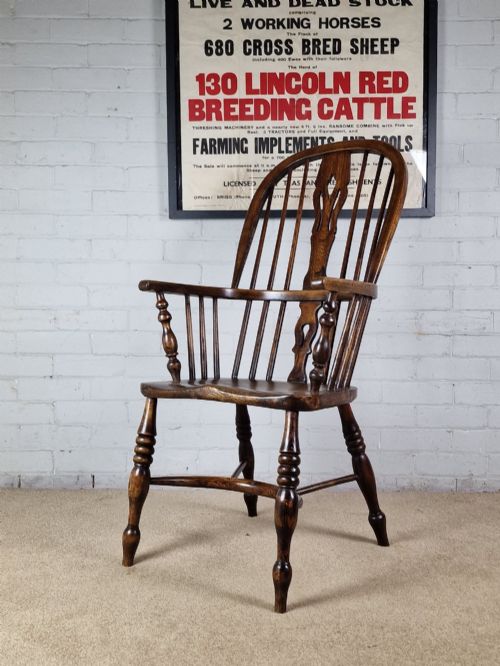
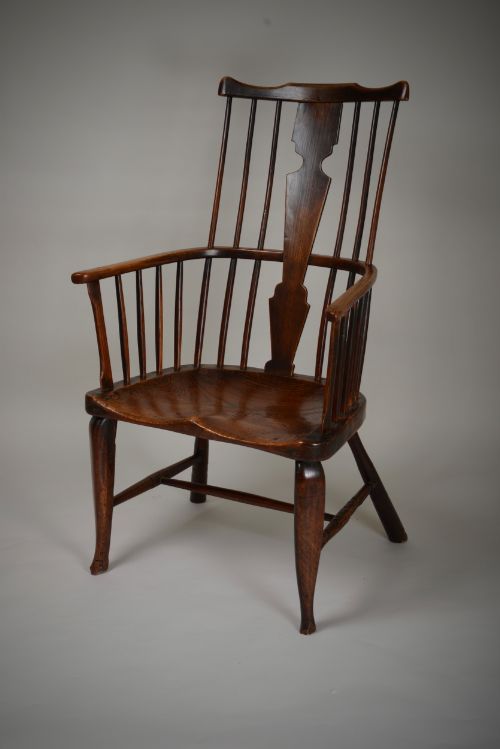
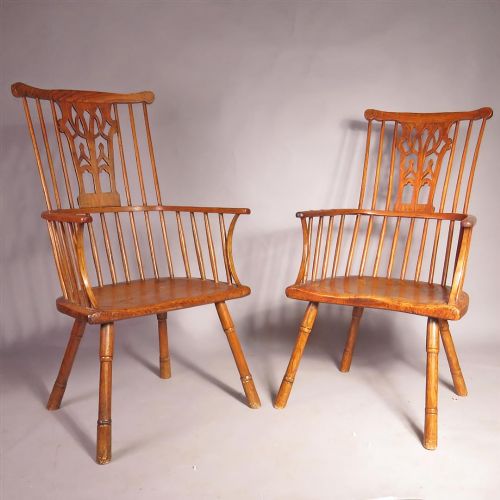
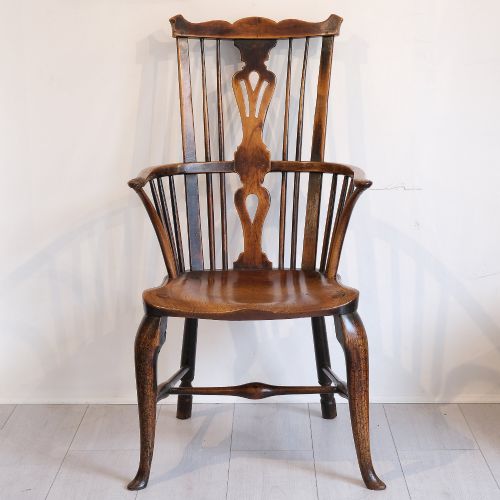
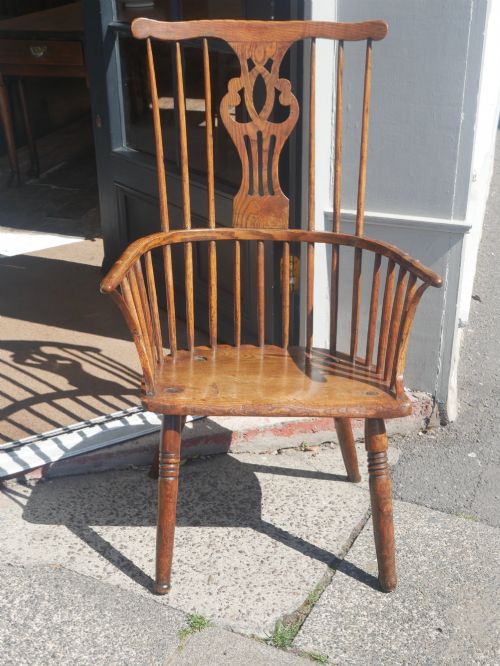
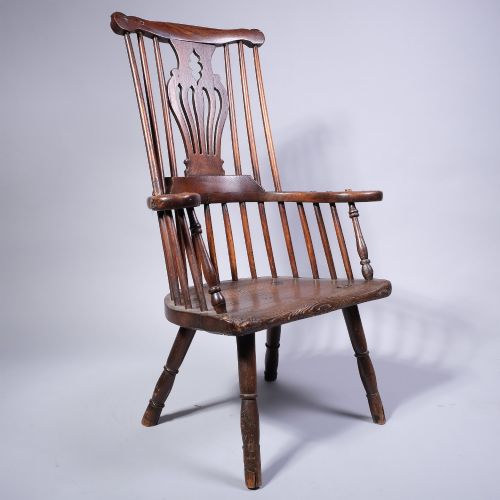
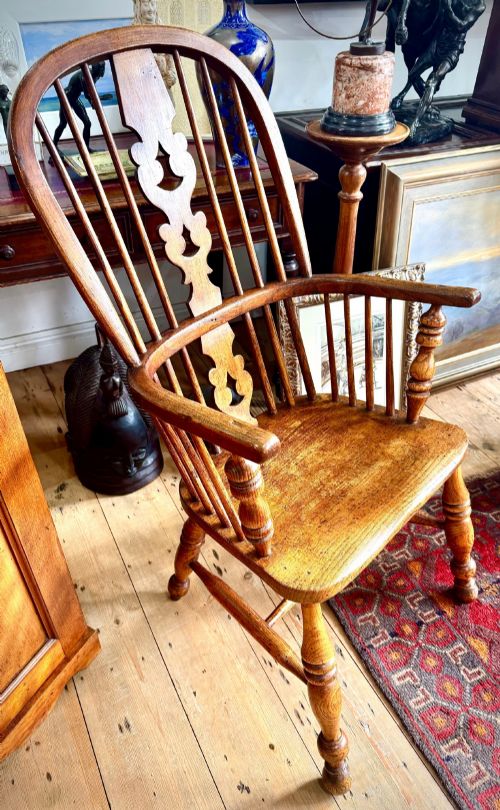
When you examine high splat back chairs, you encounter a diverse group of seating that spans the eighteenth, nineteenth and early twentieth centuries. The selection includes Windsor armchairs, comb back forms, farmhouse chairs and dining chairs originating from English country and vernacular traditions.
The most common examples you meet on this page are Windsor armchairs and high back chairs constructed in regional styles such as Thames Valley, Yorkshire and Lincolnshire. These pieces frequently combine robust armchairs with companion side chairs, high chairs and rocking chairs.
The periods represented stretch from early oak examples to Victorian and Edwardian interpretations. Makers utilised domestic timbers to build functional seating intended for everyday farmhouse and parlour use.
Materials and construction
The construction of these chairs relies on traditional timber combinations, most notably elm seats paired with ash, yew, beech or fruitwood for the spindles, legs and bentwood parts. Oak and walnut also appear in specific regional dining and high back forms.
Woodturners and country chairmakers shaped solid timbers using Windsor techniques, steaming backbows and turning legs and spindles on pole lathes. Seats were typically carved from single elm planks to provide a solid base for the inserted legs and uprights.
Certain Windsor chairs feature a subtle saddle seat hollowed out by hand, offering unexpected comfort after centuries of sitting.
Judging quality
Quality in these chairs lies in the selection of timber and the proportion of the turning. Pieces featuring striking yew grain or well-figured elm show greater consideration by the maker.
Structural integrity and retention of original components determine the standing of an example. Strong joinery, well-balanced comb backs or high splats and minimal replacement parts set superior chairs apart from heavily restored ones.
The High Splat Back Chairs Glossary
- Windsor chair
- A chair built with a solid wooden seat into which the legs and back spindles are directly inserted. These items often feature a bentwood bow or comb back.
- Comb back
- A Windsor chair design where the central vertical spindles extend upward to support a horizontal top rail resembling a comb. This form appears across eighteenth and nineteenth-century examples.
- Splat
- A central vertical slat of wood positioned in the middle of a chair back. It often receives shaping or carving to define the style.
- Carver
- A traditional term for an armchair, frequently used in descriptions of country and vernacular seating. These pieces usually match a set of smaller side chairs.
- Vernacular
- Objects built by local tradesmen using regional traditions and readily available materials rather than following strict metropolitan designs.
High Splat Back Chairs: Frequently Asked Questions
What defines a high splat back chair?
These chairs are characterised by an elevated back structure incorporating a central wooden splat, spindles or a solid panel. They draw upon regional English country traditions and encompass forms like Windsors and dining chairs.
The materials typically involve solid hardwoods such as elm, ash and yew. Their design prioritised durability and ergonomic support in domestic settings.
Where were Windsor chairs made?
Windsor chairs and high back variants were produced across various English regions, including the Thames Valley, Yorkshire and Lincolnshire. Local workshops utilised accessible timbers from nearby woodlands.
Different districts developed distinct characteristics, such as specific hoop shapes, arm designs and wood choices, allowing researchers to trace their origins.
How do I care for antique wooden chairs?
Maintain these chairs by keeping them away from direct heat sources and rapid temperature fluctuations that cause timber to split. Apply appropriate wax polish occasionally to nourish the surface.
Avoid excessive moisture during cleaning and check joints periodically for stability. Gentle handling preserves the original patina and structure.
Are these chairs suitable for daily use?
Many of these chairs remain robust enough for everyday seating when structurally sound. Solid elm seats and pegged joints provide considerable strength.
Heavily restored or delicate eighteenth-century examples benefit from more careful placement. Assessing each piece's joint tightness ensures safe practical use.