





High Relief Wall Plaque
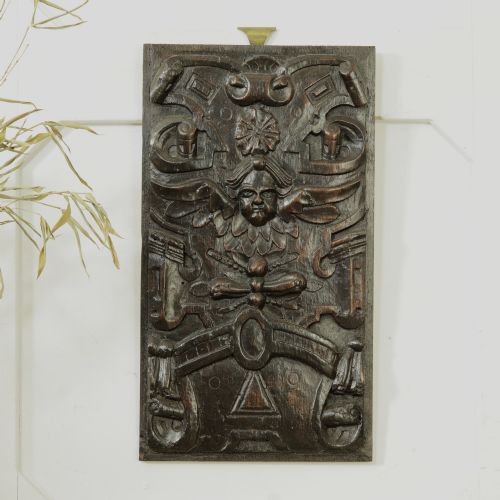
These high relief wall plaque examples combine depth, carving skill and dramatic projection to animate interior walls.
High Relief Wall Plaque
A high relief wall plaque projects boldly from its background, creating strong shadows and a sculptural presence that flat panels lack. When searching for a high relief wall plaque, buyers encounter varied subjects from classical scenes to portraits and allegories.
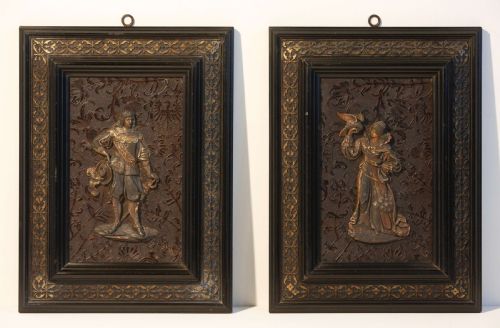
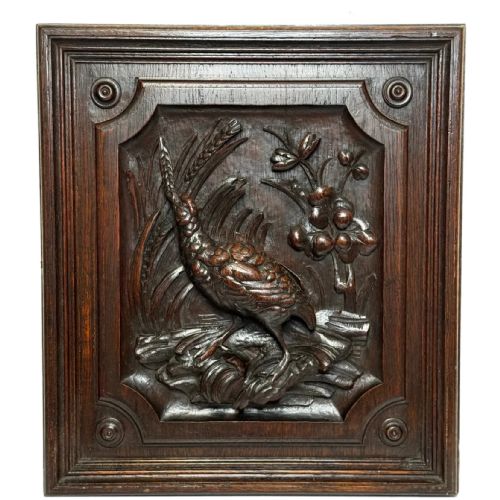
The materials span timber, bronze and white metal, with oak and fruitwood appearing frequently alongside ebonised wood and velvet settings. Surviving examples date from the seventeenth century through the Victorian era, showing Gothic, Baroque and classical influences.
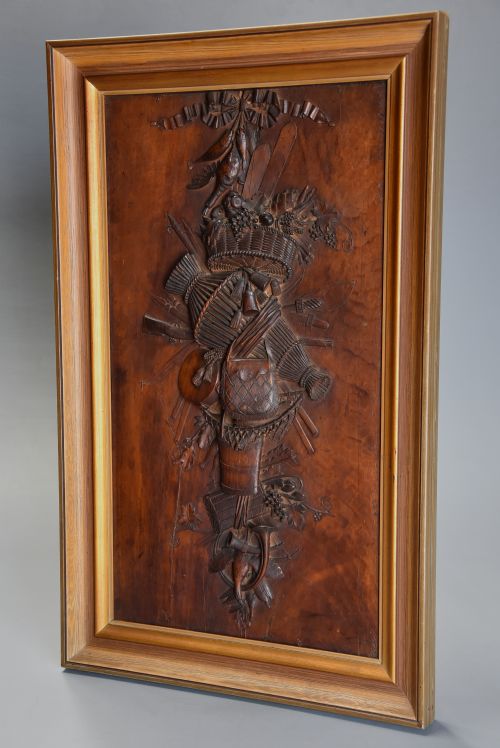
Forms range from vertical trophy carvings and architectural panels to portrait sculptures and figurative tableaus. These pieces were designed to anchor a room, often serving as focal points within hunting lodges, studies or formal reception spaces.
Materials and construction methods
Carvers worked primarily in dense hardwoods such as oak and fruitwood, utilising the natural grain to achieve deep undercuts without splitting. The timber pieces often rely on hand chisels to build high projection, where figures stand almost fully free from the backing board.
Metal versions employ casting techniques in bronze and white metal, sometimes combining gilding to highlight specific figures against dark grounds. Wooden panels occasionally incorporate velvet mounts to frame the carved subject and enhance contrast.
High Relief Wall Plaque Retail Price Guide 2026
Typical asking prices for high relief wall plaque among the pieces listed under this phrase on Sellingantiques today, from the lower quarter to the upper quarter. They describe what is for sale here now, not the wider market.
Charles Dickens makes an unexpected appearance amongst classical allegories and fighting men, keeping watch from a Victorian portrait sculpture.
Distinctions in execution and design
Quality rests in the anatomical conviction of figures and the sharpness of the undercutting, which separates hurried workshop output from exhibition pieces. Superior carvers achieved fluid motion in drapery and lifelike expression in portraits, while lesser work remains stiff and shallow.
The choice of medium also dictates refinement, with dense fruitwood and chased bronze allowing far crisper detail than coarser timbers. Preservation of the original surface patina without excessive sanding preserves the integrity of the maker's hand.
The High Relief Wall Plaque Glossary
- High relief
- Relief sculpture where more than half of the sculpted form projects from the background, sometimes with elements completely detached. This method creates deep shadows and high dimensionality.
- Trophy carving
- A decorative arrangement of related objects, such as game, musical instruments or weapons, carved in relief. These typically celebrate hunting, music or victory.
- Maquette
- A small-scale preliminary model or sketch made by a sculptor before executing the final work. These show the initial conception of a piece.
- Ebonised wood
- Timber treated to resemble ebony through a staining and finishing process. This creates a dark, uniform surface that provides strong contrast against gilt or bright metal elements.
High Relief Wall Plaque: Frequently Asked Questions
How do I hang a heavy wooden wall plaque?
Heavy carved panels require secure wall anchors fixed directly into studs or masonry rather than standard drywall fixings. Weight distribution must be calculated carefully before mounting protruding wooden sculptures.
Ensure the hanging wire or integrated metal brackets on the reverse are rated to support the specific mass of the oak or bronze piece.
What rooms suit a high relief plaque?
These sculptural pieces need strong directional lighting, such as a picture light or raking daylight, to cast shadows and define the high relief details. Libraries, studies and hallways provide appropriate traditional settings.
Avoid hanging them in areas with high humidity or direct sunlight, which can dry out ancient timber and damage velvet backings.
How do I tell seventeenth-century oak from Victorian revival work?
Seventeenth-century panels show tool marks consistent with hand adzes and early chisels, alongside deep oxidation and shrinkage cracks appropriate to age. The joinery and timber density differ visibly from later machine-assisted production.
Victorian revival pieces often utilise softer tiger oak or display stylistic exaggerations typical of nineteenth-century Gothic revivals.
How should I clean a carved wooden plaque?
Dust accumulated in deep undercuts should be removed gently using a clean, soft-bristled artist paintbrush or a low-suction brush attachment. Avoid chemical sprays, polishes and damp cloths that can strip historic wax finishes and stain the wood.
Microfibre cloths are useful for flat metal surfaces, but wooden carvings require delicate dry maintenance to preserve the patina.