

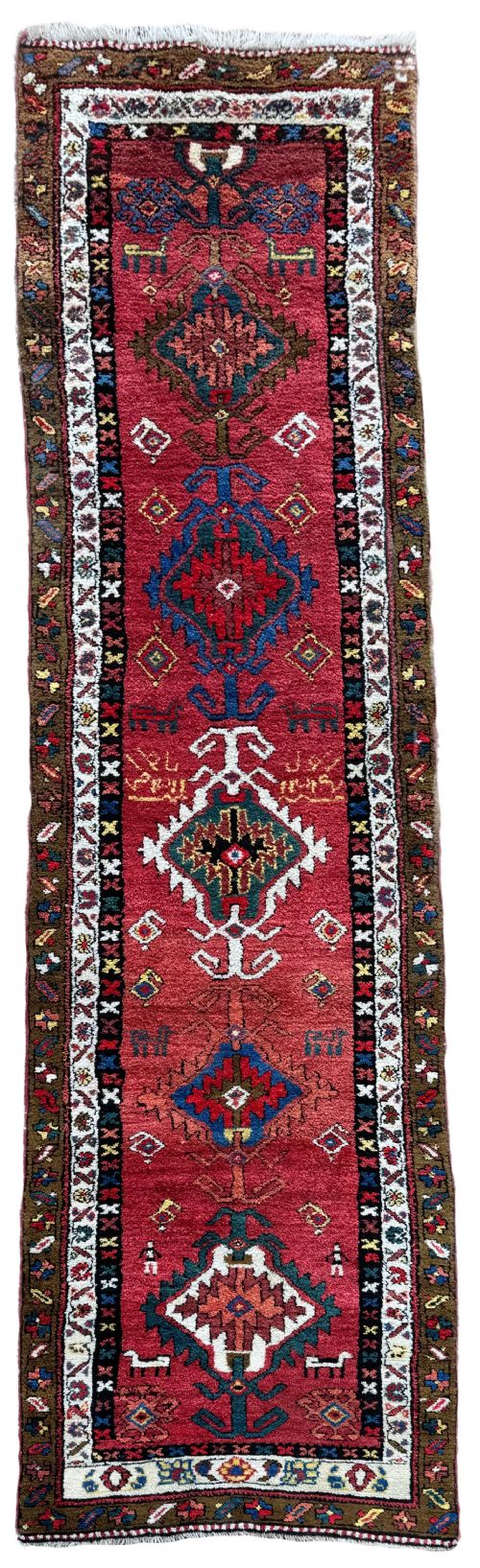
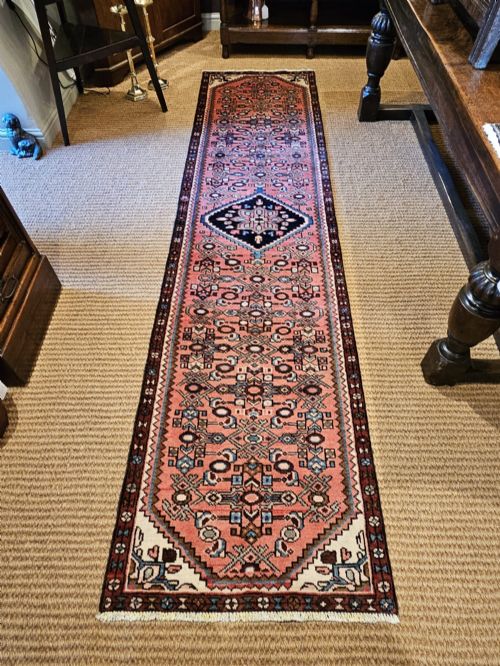
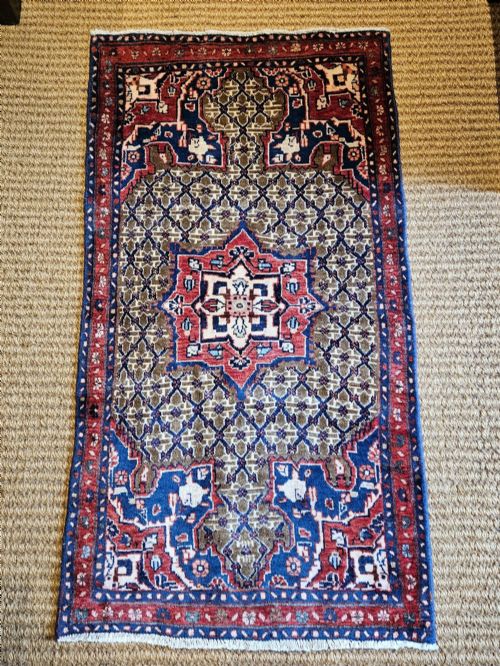
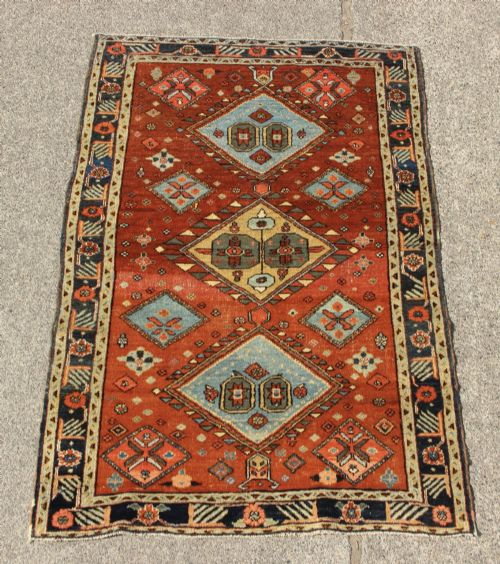
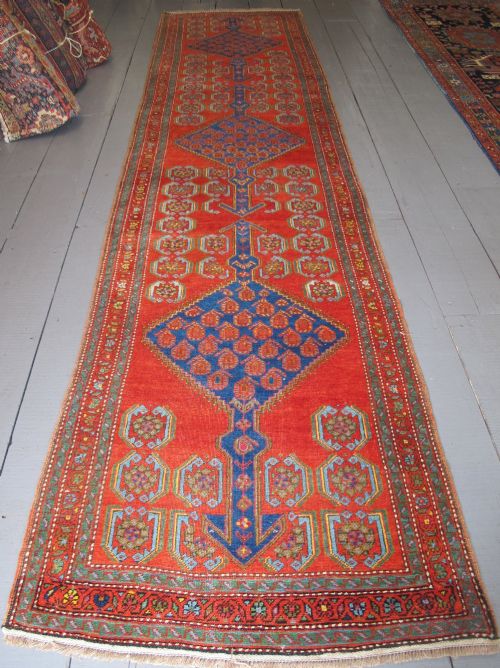


Heriz Runner Rug
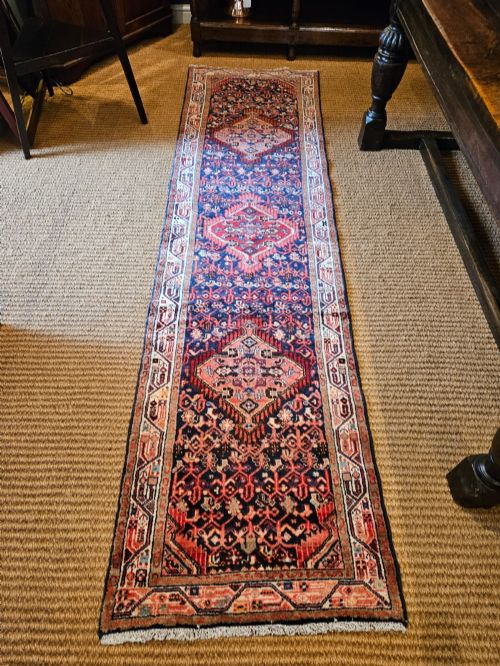
A heriz runner rug brings durable structure and bold geometric artistry to a hallway, grounded in the weaving traditions of north-west Persia.
Heriz Runner Rug
A heriz runner rug delivers long, narrow floor coverings suited for corridors and galleries, originating primarily from the nineteenth and early twentieth centuries.
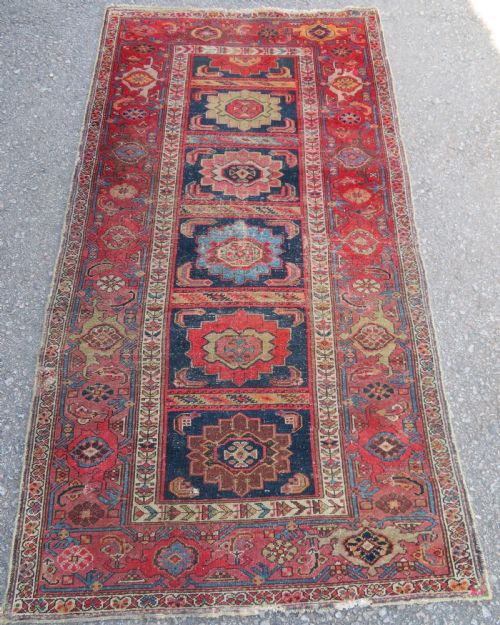
Most examples encountered on this page date from the decades around nineteen hundred, spanning periods from eighteen seventy to nineteen thirty.
These pieces connect to broader Persian tribal and traditional styles, often sharing design traits with related workshops from the same region.
How they were made
Weavers constructed these long carpets using wool piles set onto cotton foundations, yielding a sturdy fabric designed for heavy foot traffic.
Handweaving techniques incorporated traditional regional dyes and geometric motifs, creating durable textiles that maintain their structural integrity over generations.
Heriz Runner Rug Retail Price Guide 2026
Typical asking prices for heriz runner rug among the pieces listed under this phrase on Sellingantiques today, from the lower quarter to the upper quarter. They describe what is for sale here now, not the wider market.
Regional variants represented include Heriz, Karaja, Bakshaish, Gorevan, Serapi, and Sarab.
What varies in quality
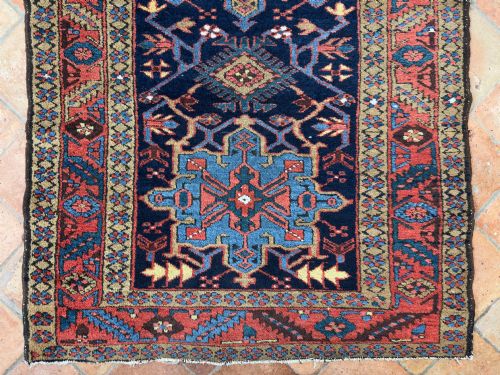
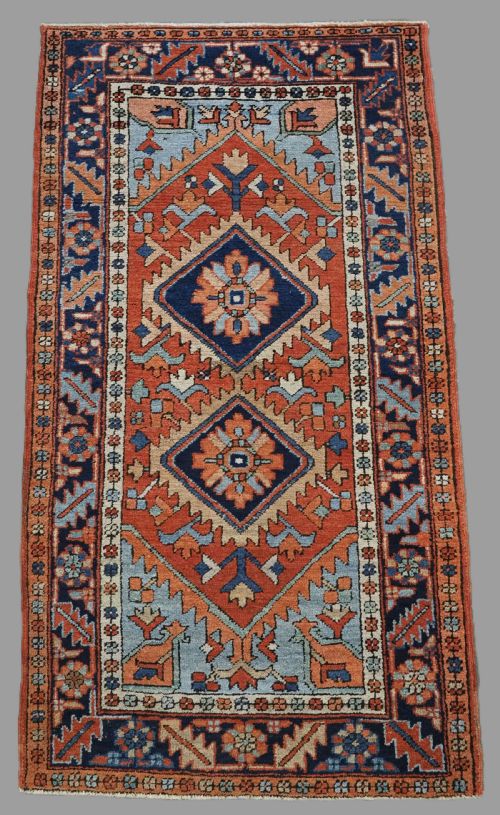
The sophistication of the geometric medallion design and the precision of the wool knotting distinguish individual runners.
Depth of colour saturation and the crispness of the traditional Persian patterns set superior examples apart from simpler village work.
Waring and Gillow
The Heriz Runner Rug Glossary
- Heriz runner
- A long, narrow carpet originating from the Heriz region of north-west Persia. These pieces typically measure significantly longer than they are wide, fitting long corridors.
- Medallion
- A central ornamental design motif placed in the field of the rug. It forms the geometric focal point around which the corner spandrels and borders organise.
- Serapi
- A sub-style associated with older Heriz carpets, generally featuring broader, more open geometric layouts and softer colour palettes. Collectors prize these older weaving traits.
- Karaja
- A neighbouring village style related to Heriz production. These rugs often display smaller, repeated geometric figures rather than a single large central medallion.
- Warp
- The foundational vertical threads stretched on the loom. Cotton serves as the standard material for this structural grid in these Persian pieces.
Heriz Runner Rug: Frequently Asked Questions
Where do heriz runner rugs come from?
These rugs originate from the town of Heriz and surrounding villages in north-west Persia. Weavers in this mountainous region developed distinct geometric styles that differ from the curved floral designs of urban Persian workshops.
The dry climate and local sheep produced sturdy wool well-suited for heavy floor use. Master weavers passed down specific medallion layouts and border patterns through generations in these communities.
How do you clean an antique rug?
Antique wool and cotton runners require gentle care to preserve the natural fibres and traditional dyes. Regular light vacuuming without a rotating brush helps remove embedded dust.
Professional specialist cleaning remains necessary for deeper washing to prevent dye bleeding or structural distortion. Water saturation should stay strictly controlled during any maintenance.
Are these rugs durable for hallways?
The dense wool pile and firm cotton foundation make these long rugs exceptionally durable for high-traffic areas. Their sturdy construction withstood generations of heavy use in country houses and town residences.
Placing a quality underlay beneath the runner prevents slipping and reduces friction against the floorboards. This simple precaution extends the working life of the textile significantly.
How do serapi and heriz differ?
Serapi rugs represent an earlier, finer subset of Heriz production typically dating to the nineteenth century. They usually feature more spacious geometric layouts and muted, balanced colour tones.
Standard Heriz pieces from later decades often display bolder, denser medallion designs with sharper contrasts. Both types share the same north-west Persian weaving roots.