

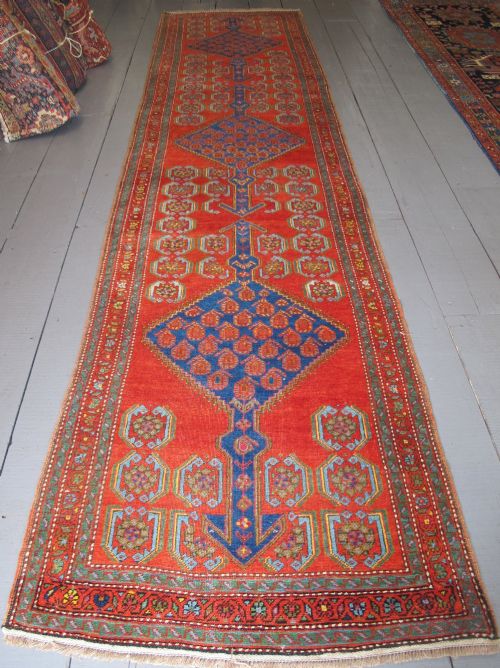


Heriz Geometric Wool Runner
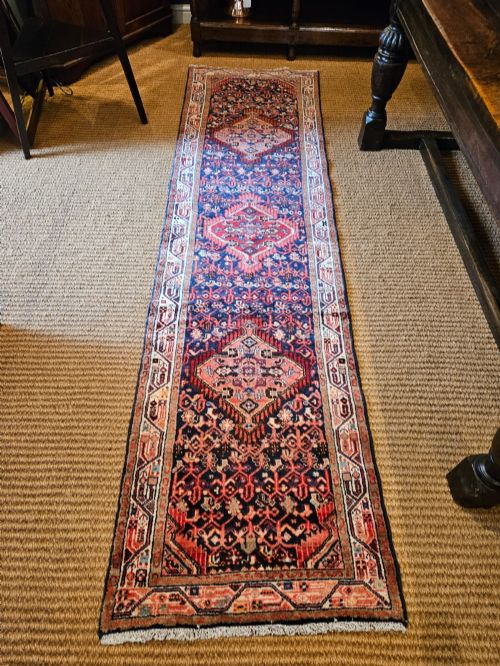
A heriz geometric wool runner brings the structured patterns and hardwearing warmth of North-West Persia directly into a hallway or narrow space.
Heriz Geometric Wool Runner
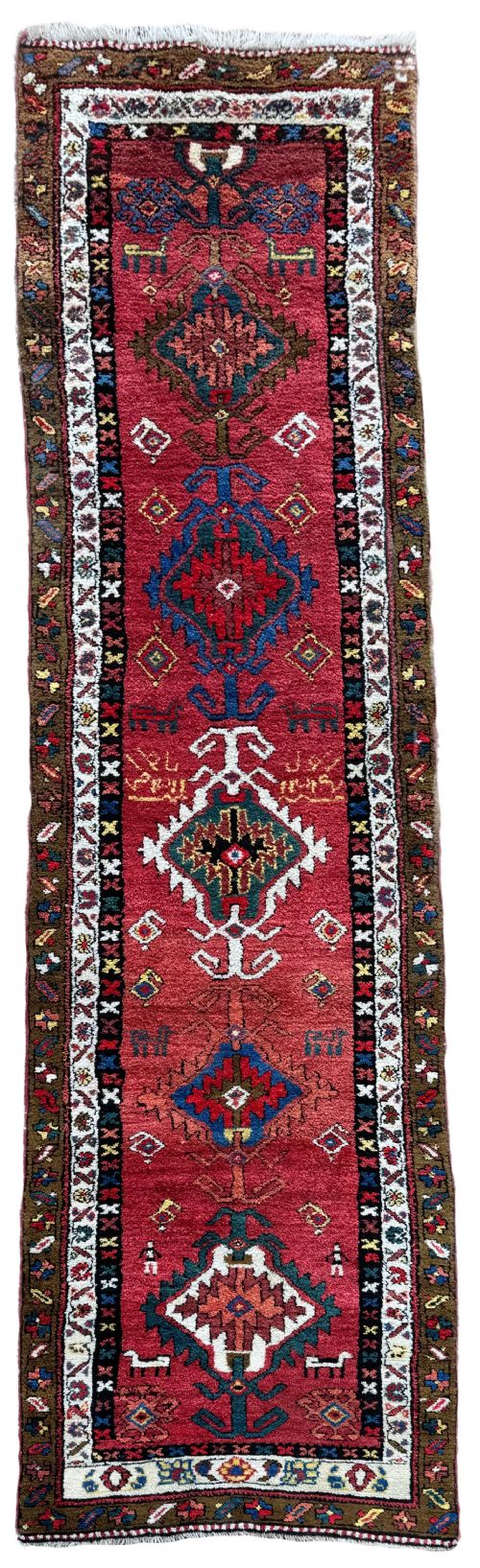
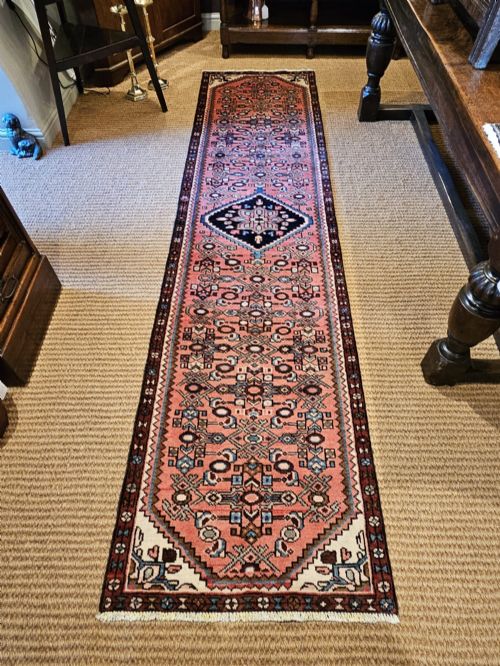
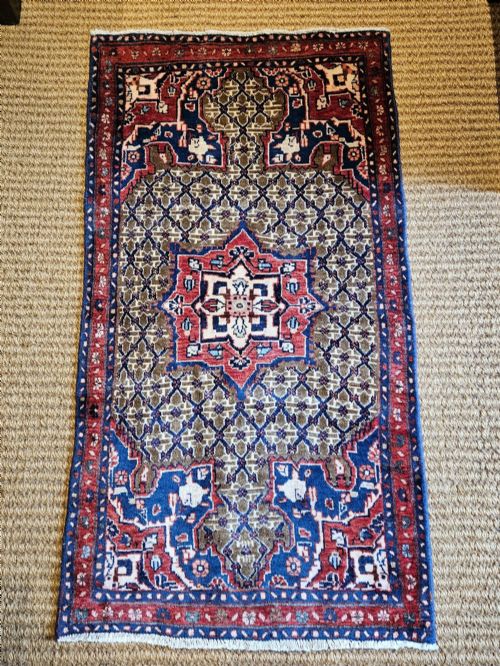
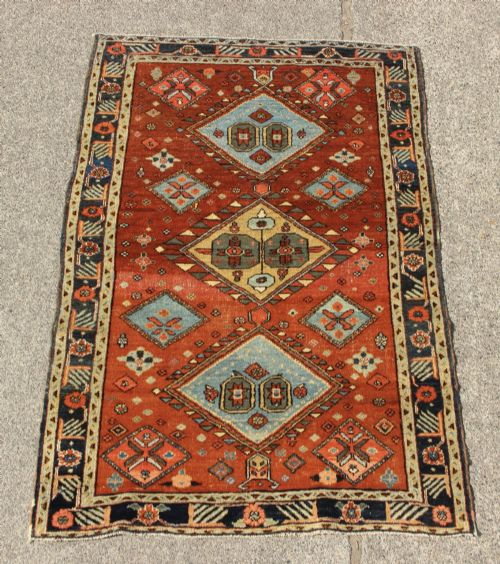
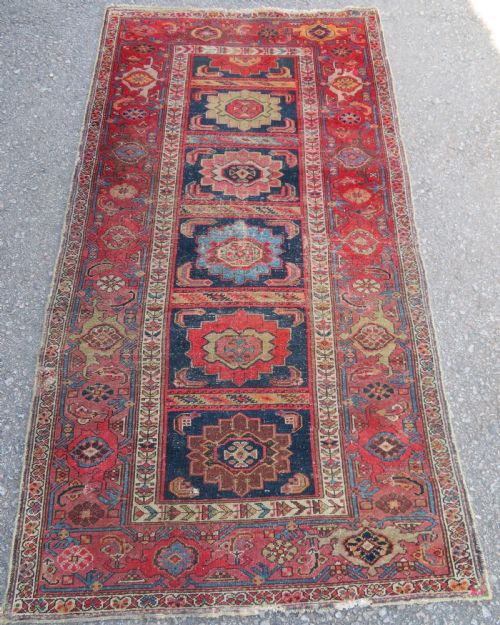
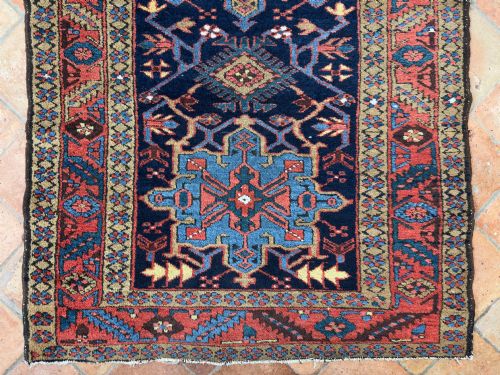
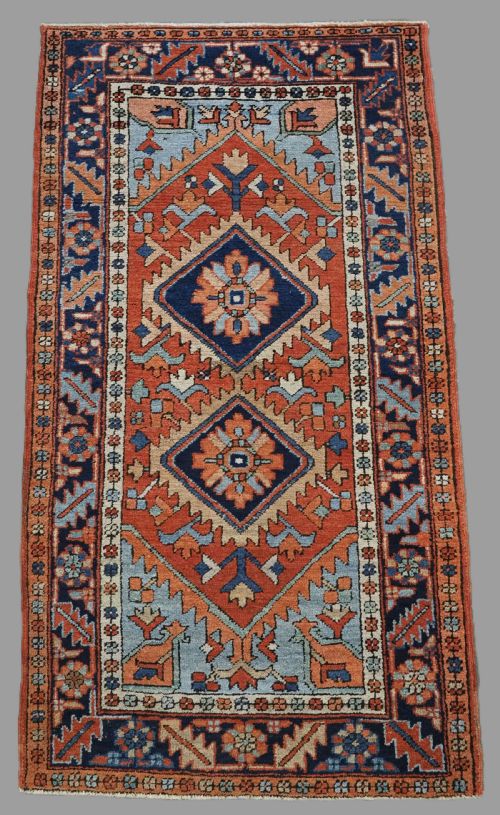
When you search for a heriz geometric wool runner, you examine long, narrow floor coverings originating from North-West Persia during the nineteenth and early twentieth centuries. These pieces display bold medallions, angular motifs and rectilinear designs rather than flowing curves.
On this page, the most frequent forms are antique runners and long rugs dating from the eighteen-seventies through to nineteen-thirty. They appear alongside related regional weaving styles such as Karaja, Gorevan, Bakshaish, Serapi and Sarab.
Buyers select these items to anchor corridors and narrow living spaces with robust floor coverings that display distinct tribal and village weaving characteristics from Persia.
Materials and Construction
These textiles rely entirely upon wool and cotton as their primary structural elements. Wool provides the pile, offering natural resilience and depth of colour, whilst cotton supplies the foundation warps and wefts for structural stability.
Weavers knotted the wool pile onto cotton foundations by hand, creating dense surfaces designed to endure generations of foot traffic in busy hallways. Natural dyes impart the characteristic terracotta, indigo and ivory tones seen across the regional groups.
Some runners carry crab designs along their borders, proving that village weavers drew inspiration from local wildlife.
Assessing Quality
Quality rests upon the crispness of the rectilinear drawing and the saturation of the wool pile. Tighter knots and finer wool produce sharper geometric lines within the central medallions and border guards.
The harmony and variety of the vegetable dyes determine the visual impact of each piece. Purity in the foundation materials and intact original selvedges also distinguish superior examples from standard village production.
Waring and Gillow
The Heriz Geometric Wool Runner Glossary
- Heriz
- A region in North-West Persia known for producing large carpets and long runners with bold, architectural medallion designs.
- Runner
- A long, narrow carpet format specifically suited for hallways, corridors and stairs.
- Medallion
- The prominent central design motif placed in the field of the rug, often rendered in geometric or polygonal shapes.
- Warp
- The stationary lengthwise threads stretched on the loom that form the foundation of the textile.
- Weft
- The horizontal threads passed across the warps to bind the knots in place and maintain the rug shape.
Heriz Geometric Wool Runner: Frequently Asked Questions
Where should I place a runner?
These long carpets suit narrow spaces such as hallways, corridors, entryways and galleries where floor protection and visual warmth are required.
Their elongated proportions bridge rooms together while withstanding daily foot traffic.
How do I clean my rug?
Regular gentle vacuuming without a beater bar removes loose dirt from the wool pile safely.
Professional specialist cleaning is recommended for deep washing to protect the delicate antique cotton foundations.
What is a Serapi carpet?
Serapi refers to an older, finer grade of carpet from the Heriz district featuring more open fields and softer palettes.
These pieces typically date from the nineteenth century and command strong interest from collectors.
How do I identify a Karaja rug?
Karaja pieces originate from a village near Heriz and often feature distinctive geometric medallion repeats along the central axis.
They share similar wool and colour properties with Heriz weaving but display smaller, more repetitive village motifs.