


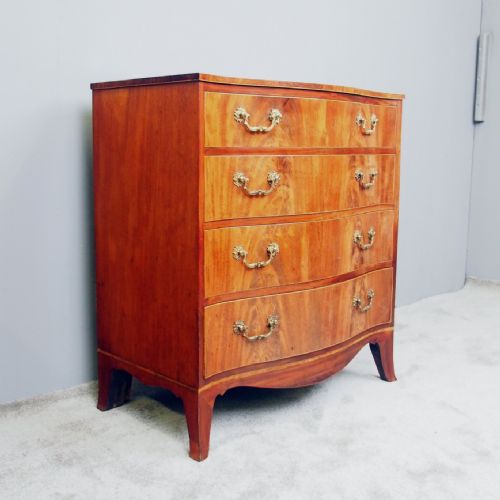

Hepplewhite Style Chest Drawers
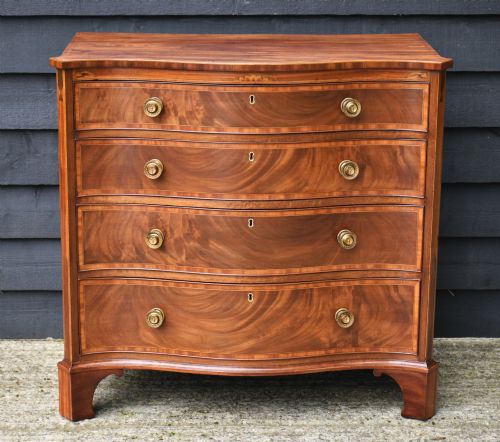
These Hepplewhite style chest drawers bring classic mahogany timber and serpentine fronts into a room.
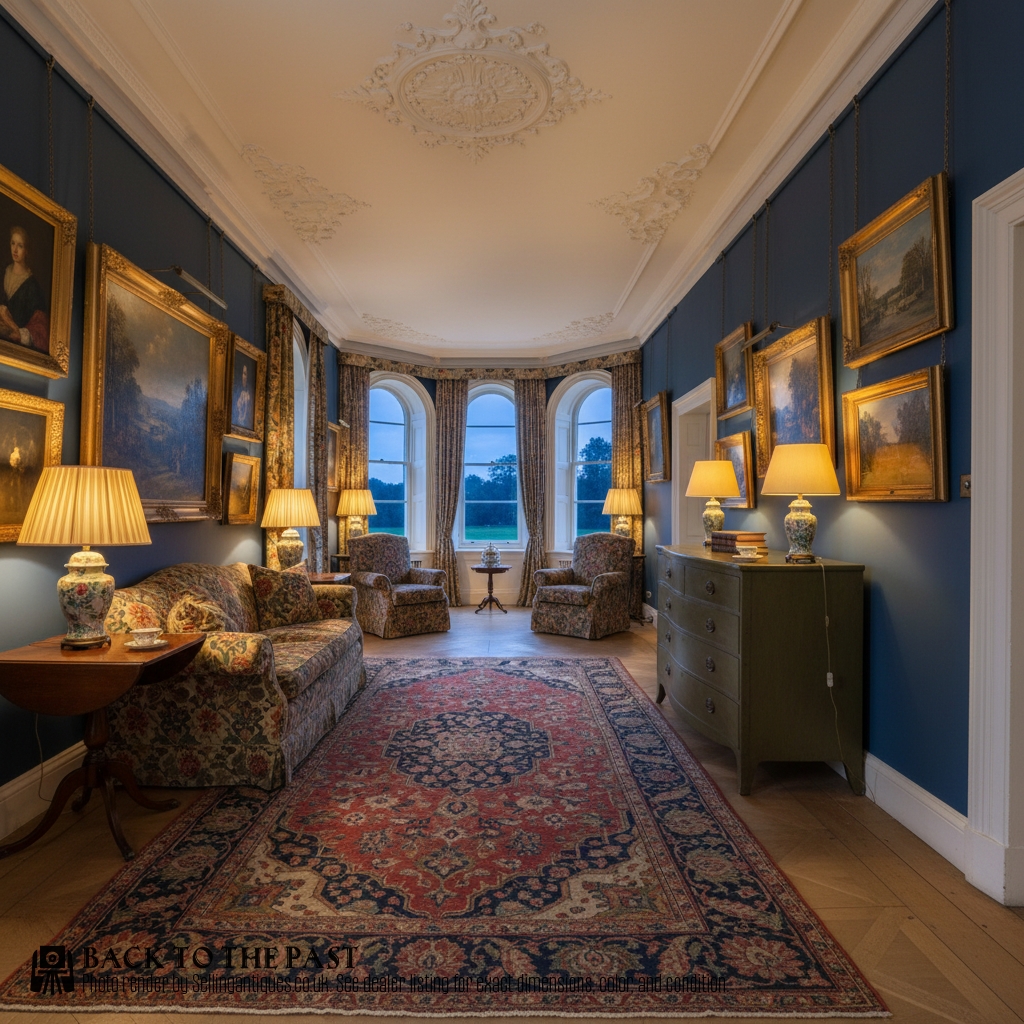
Hepplewhite Style Chest Drawers
Hepplewhite style chest drawers are storage pieces defined by graceful serpentine or bow fronts and refined proportions. The selection here ranges from pieces dating to the Georgian era through to later Victorian and revival interpretations.
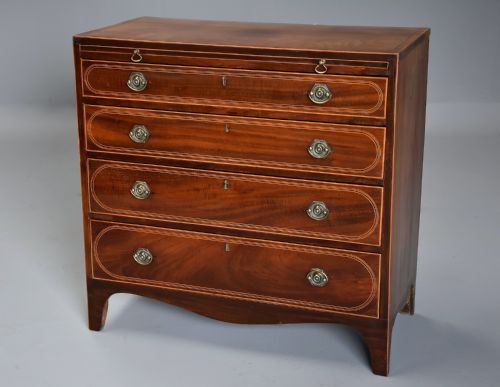
The version you are most likely to meet on this page is the mahogany chest, frequently detailed with boxwood or satinwood inlay. These designs reflect the lighter, more elegant furniture forms popularized in the eighteenth century.
Makers and cabinet makers of the late nineteenth century also produced faithful revivals, utilising flame mahogany veneer and brass hardware. Each piece demonstrates the enduring appeal of these classical proportions in domestic interiors.
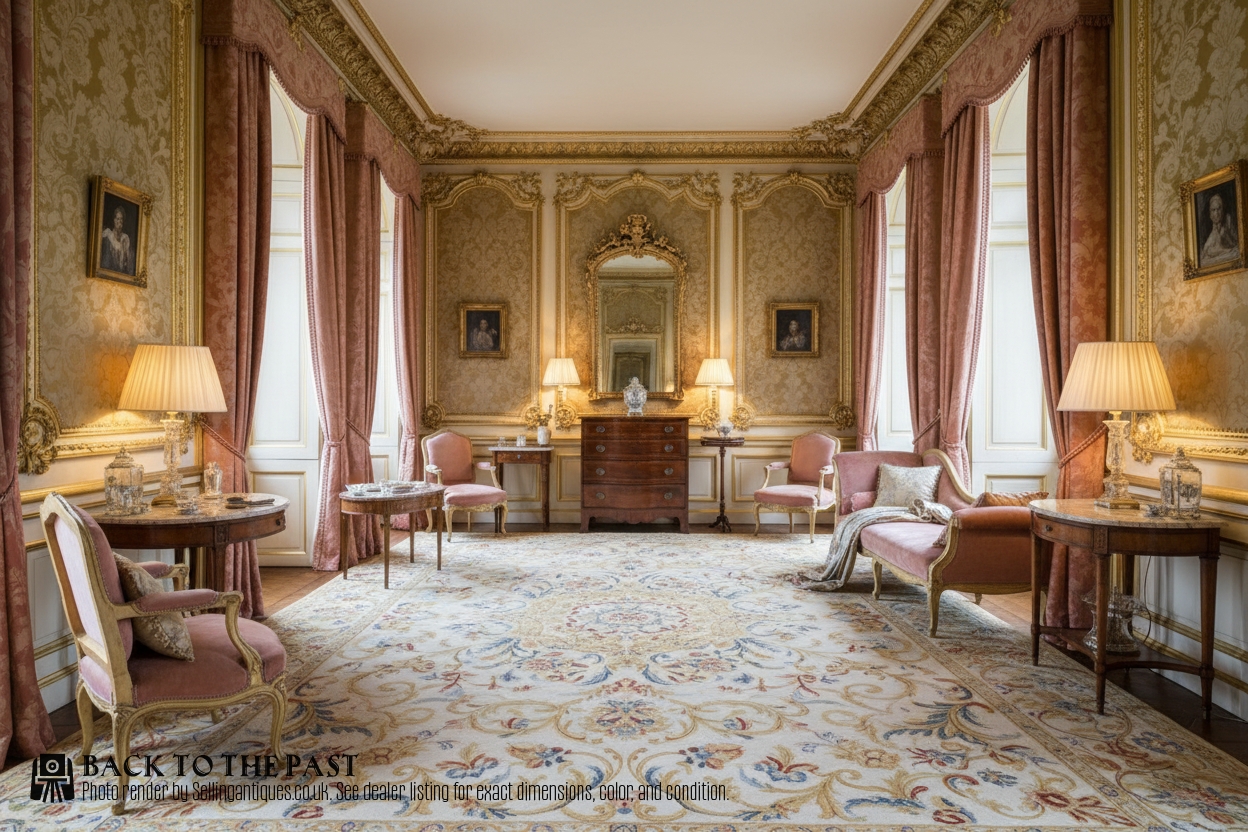
Materials and construction
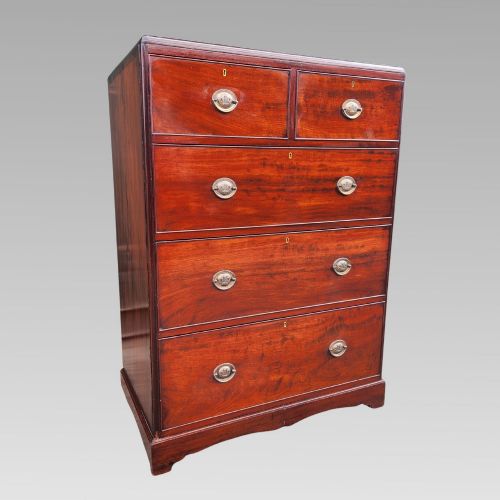
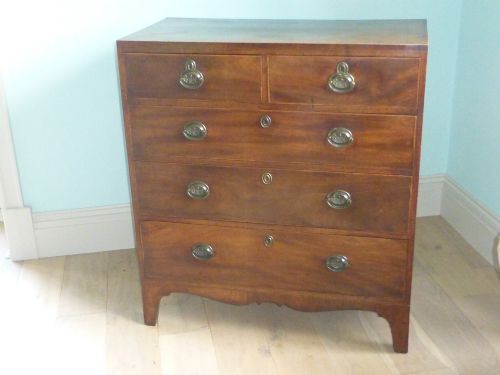
Construction relies heavily on solid mahogany and flame mahogany veneer, chosen for rich grain patterns and deep colour. Cabinet makers shaped these timbers into sweeping serpentine fronts and clean straight lines.
Detailing often incorporates boxwood and satinwood inlay to create subtle contrasting borders on drawer fronts and top edges. Original brass handles and pulls complete the hardware on both Georgian and later revival examples.
Listings span the Georgian period, the nineteenth century, and the early twentieth century, utilising mahogany and satinwood.
Judging quality and craftsmanship
Quality rests in the precision of the serpentine curve and the selection of timber veneers. Superior examples display carefully matched flame mahogany across the drawer fronts and crisp execution of boxwood inlay.
The refinement of the bracket feet and the crispness of the cockbeading around the drawers separate accomplished cabinet work from standard production. Original brass hardware and sound internal drawer construction further distinguish the finer pieces.
Druce & Co
The Hepplewhite Style Chest Drawers Glossary
- Serpentine front
- A furniture front curving outward at the centre and inward at the sides, creating a fluid, undulating profile.
- Flame mahogany
- A veneer cut from timber where the grain creates a pattern resembling flickering flames.
- Boxwood inlay
- Narrow strips of pale wood inserted into contrasting darker timber to form decorative geometric borders.
- Cockbeading
- A small projecting moulding fitted around the edges of drawer openings to protect the timber and frame the front.
- Caddy top
- A raised or moulded table top design with a stepped edge, often found on eighteenth century case furniture.
Hepplewhite Style Chest Drawers: Frequently Asked Questions
What defines a Hepplewhite style chest drawers?
These pieces are characterised by elegant proportions, often featuring serpentine or bow fronts and refined timber veneers.
They combine practical drawer storage with decorative inlay work such as boxwood and satinwood.
How do I date a mahogany chest?
Dating relies on examining construction techniques, timber selection, and hardware styles across different periods.
Eighteenth century examples display different internal construction methods compared to late nineteenth century revival pieces.
Where were these chests placed originally?
They served as primary storage furniture within principal bedrooms and private dressing rooms of the house.
Their polished timber surfaces and decorative brass fittings also suited them for display in formal reception rooms.
How do I care for antique mahogany furniture?
Keep the timber away from direct sunlight and steady heat sources to prevent the wood and veneer from drying out.
Apply a traditional wax polish occasionally to nourish the surface and maintain the natural lustre of the mahogany.