






Heavy Ornate Gold Frame
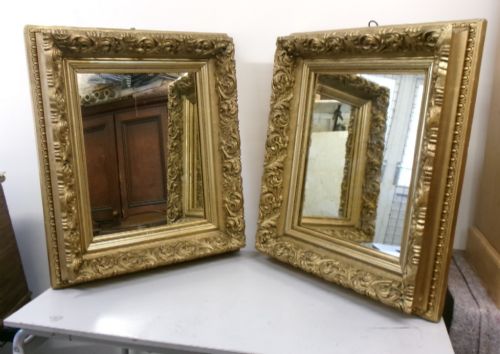
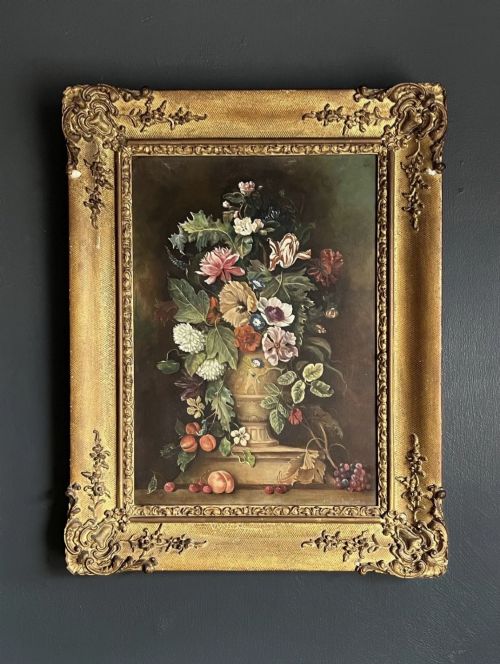
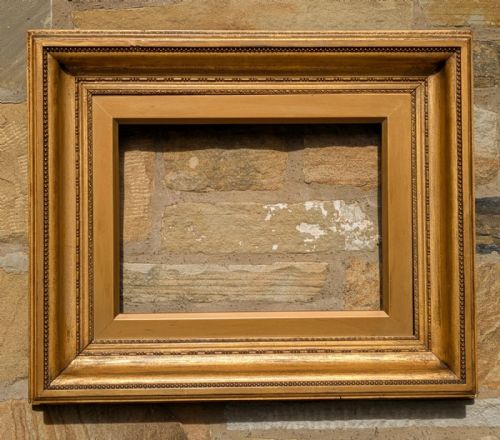
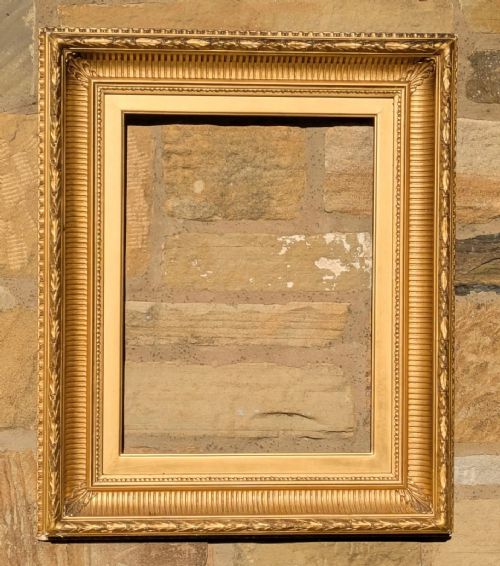
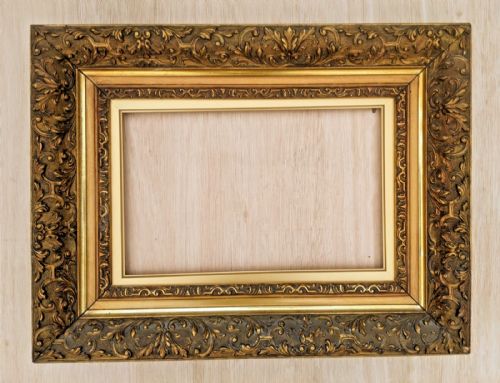
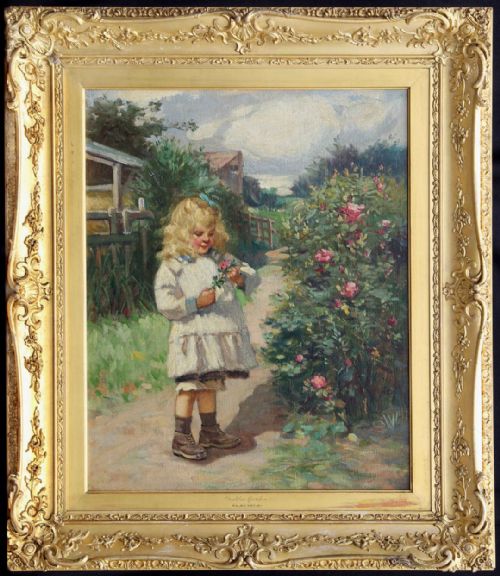
A heavy ornate gold frame holds oil paintings and mirrors with considerable presence, bringing substantial gilding and relief into a room.
Heavy Ornate Gold Frame
When you search for a heavy ornate gold frame, you encounter substantial picture frames, wall mirrors, and oil paintings housed in elaborate surrounds. These pieces span several distinct eras, with nineteenth century Victorian examples appearing frequently alongside earlier seventeenth century pieces and later twentieth century interpretations.
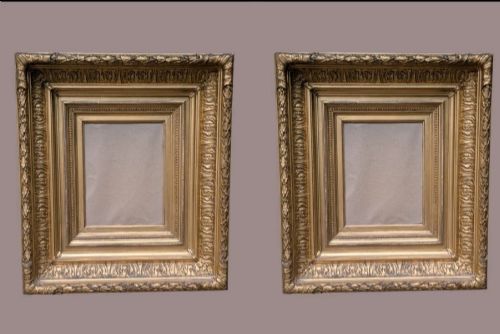
The selection encompasses large wall mirrors, deep Victorian gilt frames with linen slips, and decorative rococo revival designs. Many items combine oil paintings on canvas with their original gilded housings, while others serve specifically as framing for landscape or portrait works.
Origin and period heavily influence the character of each piece, ranging from grand regency and baroque styles to dutch golden age influences and nineteenth century fine art presentations. Collectors often find pairs of pier glass mirrors or deep frames suited to prominent display.
Materials and construction methods
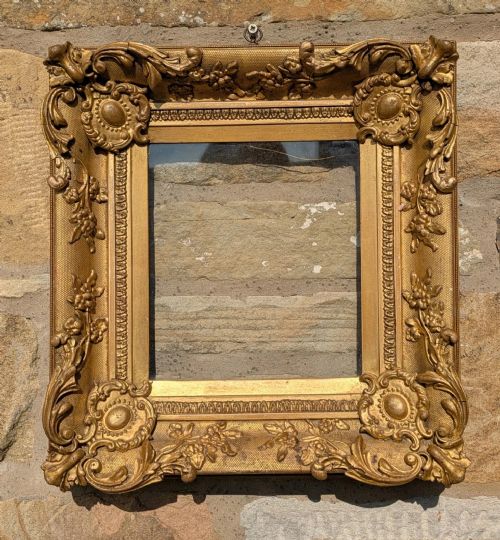
Makers constructed these frames using timber bases finished with layers of gesso and composition ornamentation to build up high relief moulding. Craftsmen then applied gold leaf or gilt finishes over the prepared surfaces to achieve a brilliant metallic sheen.
Carved wooden elements provide structural depth in baroque and Victorian rococo revival examples, whilst mirror glass or canvas inserts complete the functional pieces. The interaction between wood, gesso, and gilding determines the durability and visual weight of each object.
Some frames arrive carrying centuries of domestic history alongside the original canvas.
Factors influencing quality
The depth of carving and the intricacy of the gesso mouldings separate standard production from superior examples. Finely executed Victorian and baroque frames display crisp relief work rather than softened composition details.
The integrity of the original gilt surface and the preservation of the underlying wood and gesso dictate the overall standard. Pieces retaining their original depth and authentic gilding without excessive overpainting command greater appreciation.
The Heavy Ornate Gold Frame Glossary
- Gesso
- A plaster-like mixture applied to wood frames as a base for gilding. It provides a smooth or built-up surface for intricate relief work.
- Giltwood
- Wood that has been thinly coated with gold leaf or gold paint. This material forms the primary structure of many antique frames and mirrors.
- Composition
- A moulded paste mixture used to create ornamental relief details on frames quickly. It allows for elaborate patterns without hand carving every element.
- Pier Glass
- A large tall mirror designed to be hung on the wall between windows. These pieces often feature heavy frames and substantial proportions.
- Rococo Revival
- A nineteenth-century style mimicking the ornate, asymmetrical ornamentation of the eighteenth century. It employs scrolling foliage and shell motifs.
Heavy Ornate Gold Frame: Frequently Asked Questions
What fits inside a heavy ornate gold frame?
These frames typically house oil paintings on canvas or large wall mirrors. Many accommodate landscape or portrait artworks depending on their interior dimensions.
Some listings include linen slips designed to bridge the gap between the painting and the outer gilded moulding.
How do I hang a heavy ornate gold frame?
Due to their substantial weight from wood, gesso, and glass, these items require secure wall fixings anchored directly into studs or masonry. Professional mirror plates or heavy-duty picture wire suited to large loads are essential.
Checking the structural integrity of the wooden corners before hanging ensures safety and stability.
Are these frames from the Victorian period?
A significant portion of the available pieces originates from the nineteenth century, including various Victorian and rococo revival examples. Dates range from the seventeenth century up to the twentieth century.
Stylistic markers such as deep mouldings and dark gilt finishes often point towards specific decades within the Victorian era.
Can I use these as standalone wall mirrors?
Several pieces function directly as wall mirrors, including pier glass mirrors and decorative gilt wall mirrors. They bring considerable light and presence to a room. Nontraditional frames can also be fitted with new mirror glass by a professional glazier.