




Heavy Iron Sculpture
Heavy iron sculpture brings weight and permanence to a room, offering robust figures and architectural items shaped from cast iron.
Heavy Iron Sculpture
Heavy iron sculpture comprises utilitarian and decorative objects shaped from cast iron across the nineteenth and early twentieth centuries. When searching for heavy iron sculpture, buyers encounter functional pieces such as doorstops, door porters, paperweights, desk ornaments, wall brackets, garden statues, and garden ornaments.
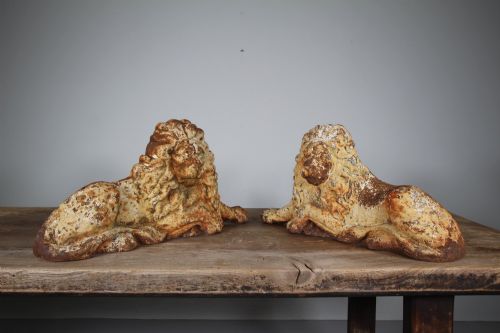
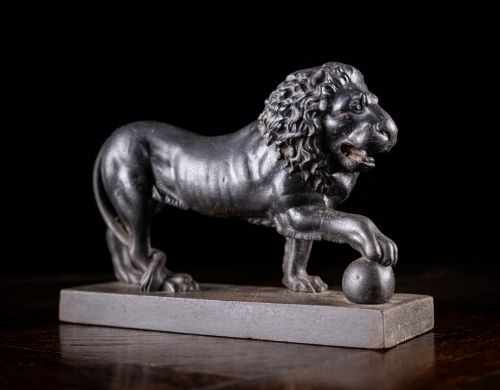
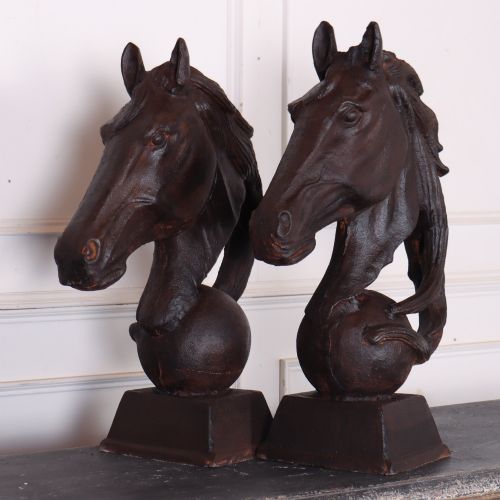
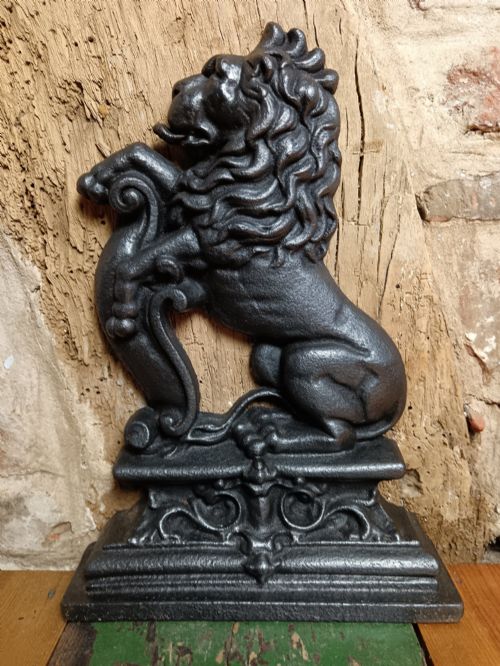
The pieces on this page span the Victorian and Edwardian eras, with notable representation from the nineteenth century alongside items dated around eighteen-fifty, nineteen-hundred, nineteen-twenty, and nineteen-thirty. Animal subjects predominate, featuring lions, horses, bulls, elephants, and eagles cast in robust forms.
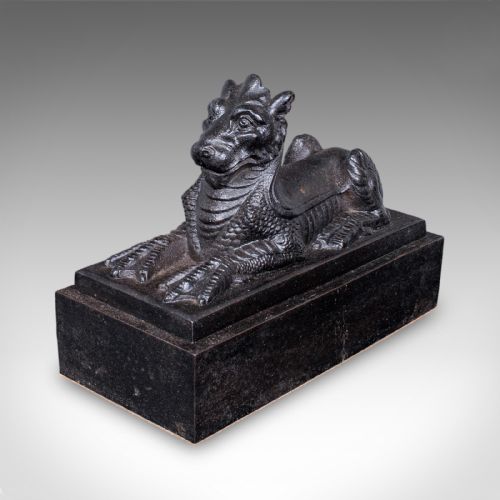
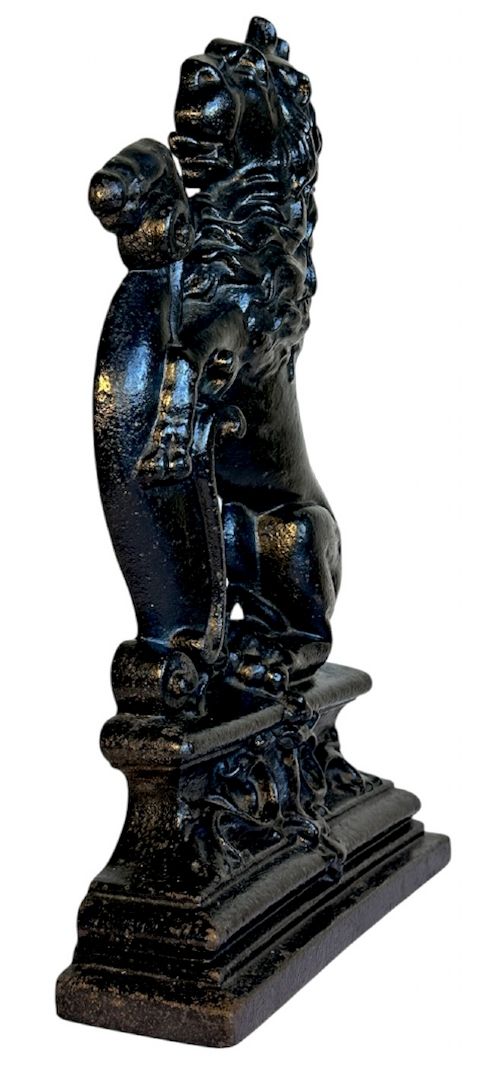
Beyond animal figures, the selection includes heraldic crests, garden cannons, and portico tables functioning as planter stands. These items combine practical utility with substantial sculptural presence, reflecting period tastes in interior and garden decoration.
How they were made
Makers utilised traditional sand casting techniques to pour molten iron into moulds, creating solid forms with distinct surface textures and crisp detail. This method produced durable items capable of supporting significant weight, whether serving as doorstops or architectural wall brackets.
Surface treatments recorded in the evidence include black paint and bronze finish patinas applied over the base metal. Hardwood components appear alongside the iron on specific forms such as portico tables, combining materials for structural support.
Heavy Iron Sculpture Retail Price Guide 2026
Typical asking prices for heavy iron sculpture among the pieces listed under this phrase on Sellingantiques today, from the lower quarter to the upper quarter. They describe what is for sale here now, not the wider market.
A nineteenth-century iron paperweight is noted as perfect for holding down the bills.
What varies in quality
The preservation of original surface finishes, such as early black paint or bronze finish patinas, influences the character of each piece. Weathering and wear on exterior items like garden statues and cannons also shape the visual depth of the metal over time.
The Heavy Iron Sculpture Glossary
- Cast iron
- A hard, relatively brittle alloy of iron and carbon that can be readily cast in a mould. It provides the dense, heavy substrate for these nineteenth and twentieth century sculptures and utilitarian objects.
- Bronze finish patina
- A surface coating applied to iron to simulate the appearance of aged bronze. This finish gives pieces a dark, metallic sheen.
- Door porter
- A heavy portable weight designed to keep a heavy door propped open. These functional items often take sculptural animal forms.
- Animalier
- A nineteenth century artistic style focused on the realistic depiction of animals. Sculptures in this tradition capture creatures in dynamic or resting poses.
- Recumbent
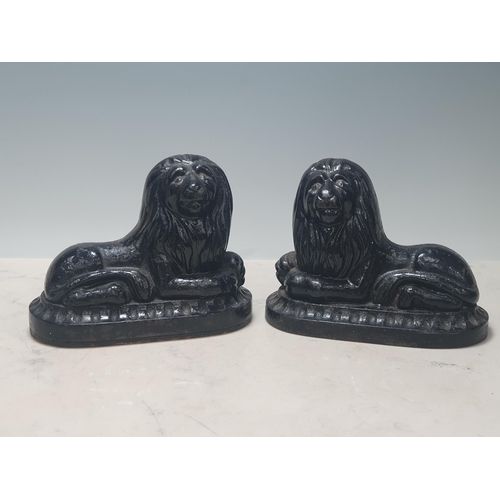
- Lying down or resting. Recumbent lion sculptures from the mid-nineteenth century depict the beasts in a flat, horizontal posture.
Heavy Iron Sculpture: Frequently Asked Questions
What is a door porter?
A door porter is a heavy piece designed to hold doors open against drafts. They combine practical utility with sculptural forms like lions and heraldic animals.
These heavy items sit on the floor near entryways, serving both a mechanical purpose and a decorative function in period rooms.
How do I care for cast iron?
Cast iron requires minimal maintenance beyond dusting and keeping the metal dry. Avoid harsh chemical cleaners that might strip original painted surfaces or patinas.
For pieces kept outdoors, protect the metal from excessive moisture to prevent rust from forming on exposed surfaces.
Are these pieces English?
Many items in this category carry English origin designations linked to Victorian manufacturing and the Great Exhibition. The design styles reflect British aesthetic trends of the nineteenth and early twentieth centuries.
Makers utilised local ironfoundries to produce functional domestic hardware and decorative garden statuary.
Where were desk ornaments placed?
Desk ornaments and paperweights anchored paperwork in offices and studies during the Victorian era. Their substantial weight prevented documents from shifting in drafty rooms.
Items like iron bulls served as both functional desk accessories and miniature animalier sculptures.