


Heavy Horse Brasses
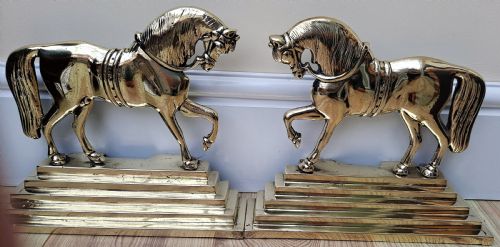
Heavy horse brasses are sturdy cast brass items and door stops that hold open heavy interior doors with traditional equestrian charm.
Heavy Horse Brasses
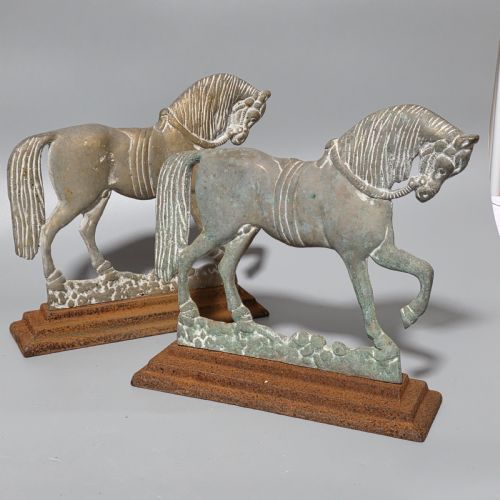
When you search for heavy horse brasses, you encounter solid brass and cast iron door stops, statues, inkstands, and martingales that echo nineteenth-century working stables and domestic hearths. The selection on this page leans heavily toward nineteenth-century Victorian and Georgian door stops shaped as horses, alongside occasional equestrian inkstands and bronze statues.
Most examples date from the nineteenth century or the early twentieth century, including pieces marked by Victorian, Georgian, and Edwardian styles. Alongside equine door keepers, the range includes curious bronze horseman figures and jockey cap inkstands linked to rural and sporting life.
How they were made
These items rely primarily on cast brass and cast iron, often shaped into substantial door stops weighing several kilograms to hold heavy interior doors securely. Makers utilised sand-casting techniques to achieve crisp equine profiles and decorative moulded bases.
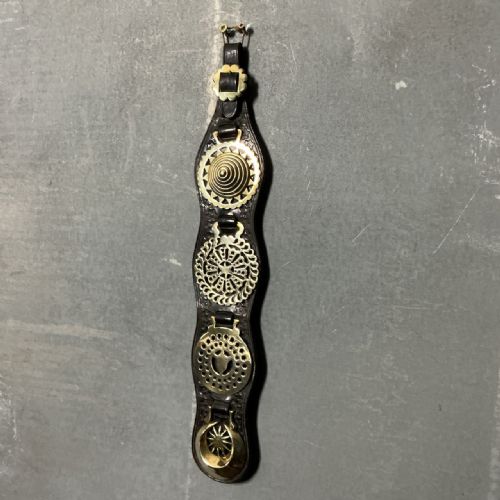
Leather and oak appear alongside metal elements, particularly in martingales and mounted pieces where traditional harness straps hold the brass ornaments. Bronze is also utilised in sculptural pieces, demonstrating diverse casting traditions from English workshops to African Benin artistry.
What varies in quality
The distinction between ordinary and superior heavy horse brasses rests in the crispness of the casting and the weight of the metal. Heavier examples, such as substantial seven-kilogram statues and dense door stops, display sharper anatomical detail in the horse's form than lighter recast items.
The Heavy Horse Brasses Glossary
- Martingale
- A strap or harness part traditionally decorated with polished brass amulets. On this page, it represents the working harness origins of equestrian brassware.
- Door Stop
- A heavy weight used to keep doors propped open. These pieces utilise cast brass or iron to combine practical utility with decorative equestrian themes.
- Inkstand
- A desk accessory holding inkwells and pens. Equestrian examples often incorporate jockey caps or horse motifs into the metal desk furniture.
- Cast Brass
- Molten alloy poured into a mould to create solid decorative objects. This technique allows for robust construction and detailed ornamentation on heavy door furniture.
Heavy Horse Brasses: Frequently Asked Questions
What are heavy horse brasses used for today?
Most pieces function as practical door stops to hold heavy interior doors open in country houses and traditional spaces.
Collectors also display them on mantels, desks, and shelves as decorative examples of nineteenth-century metalwork and equestrian heritage.
How do I date an antique horse door stop?
Dating relies on examining the casting quality, the wear on the base, and the style of the brass or ironwork. Victorian and Georgian pieces often feature heavier metal composition and hand-finished details distinct from later reproductions.
Comparing the fastener types, patination, and design motifs helps place pieces within the nineteenth or early twentieth-century periods recorded in the evidence.
Are these items made of solid brass?
The pieces listed span solid cast brass, cast iron, and bronze, often accompanied by leather or oak elements. Door stops are typically weighty to serve their function effectively.
Each material reflects the heavy-duty requirements of nineteenth-century domestic and stable environments.
Where did decorative horse brasses originate?
They originated from the working traditions of heavy horses, farm harness equipment, and nineteenth-century domestic hearths. Smiths and foundries produced them to adorn working animals and furnish period homes.
Over time, items like martingales and door stops transitioned from working gear into collectible decorative antiques.