



Heavy Door Stop
A heavy door stop holds open stubborn interior doors with substance and weight, coming in cast iron, brass, bronze, and lead.
Heavy Door Stop
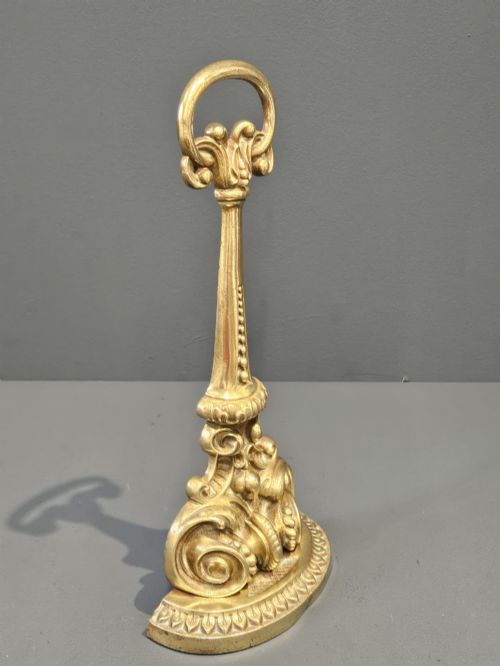
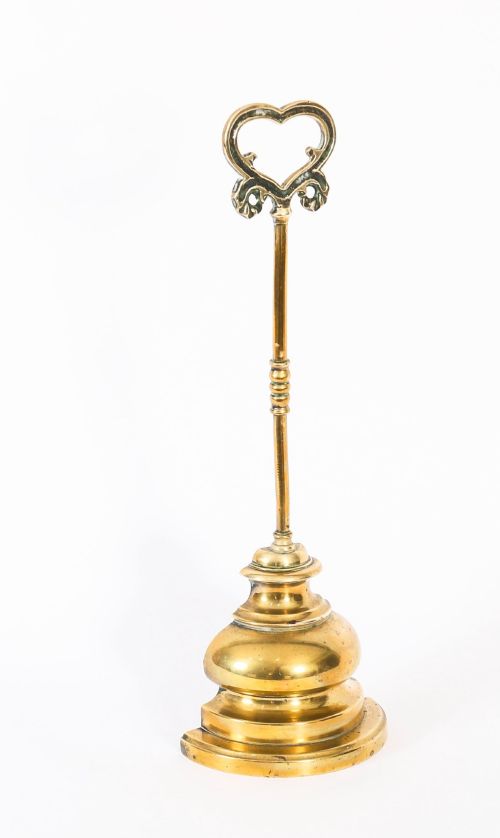
A heavy door stop functions primarily as a functional wedge or porter to hold interior doors open against drafts. The heavy door stop pieces listed here span the Georgian, Regency, Victorian, and Edwardian periods.
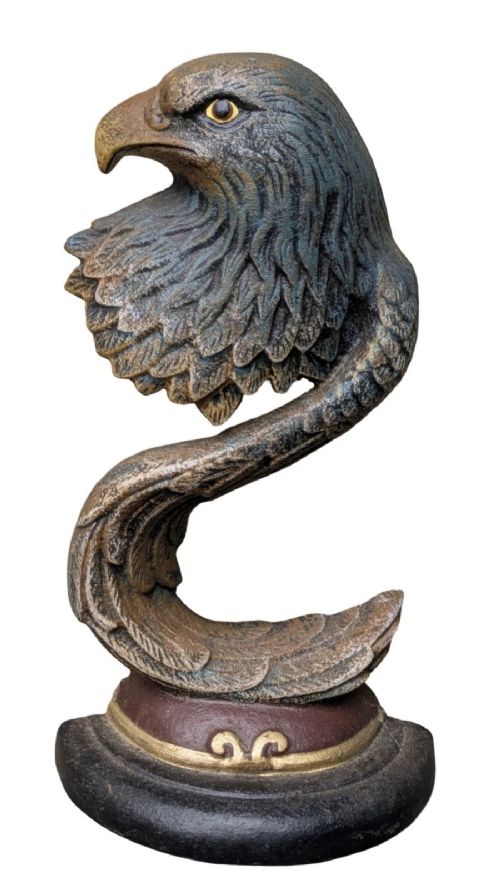
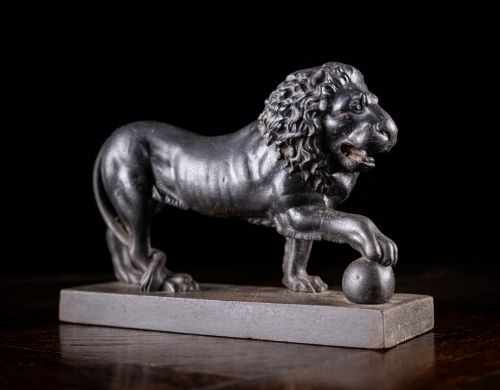
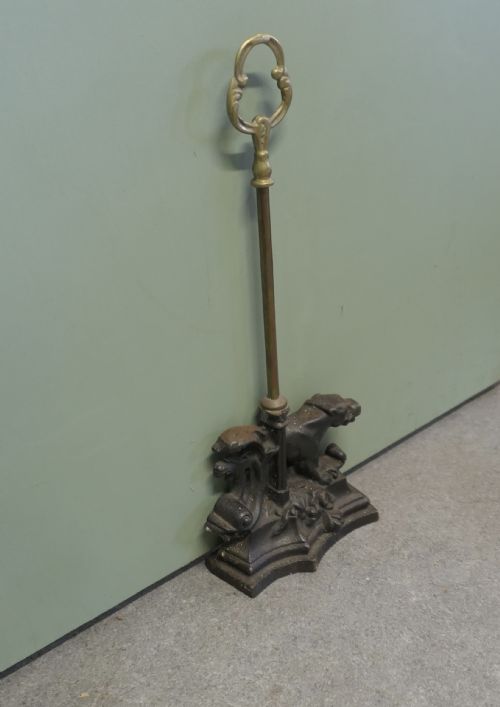
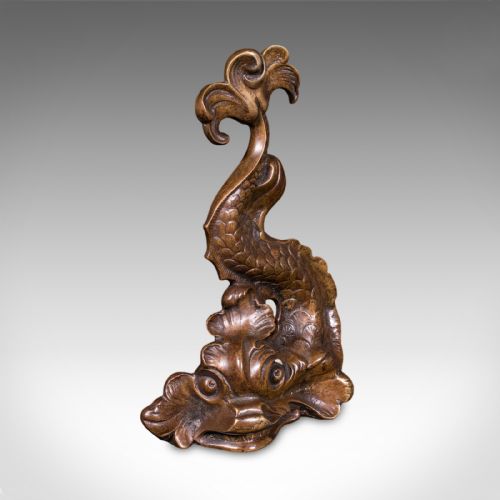
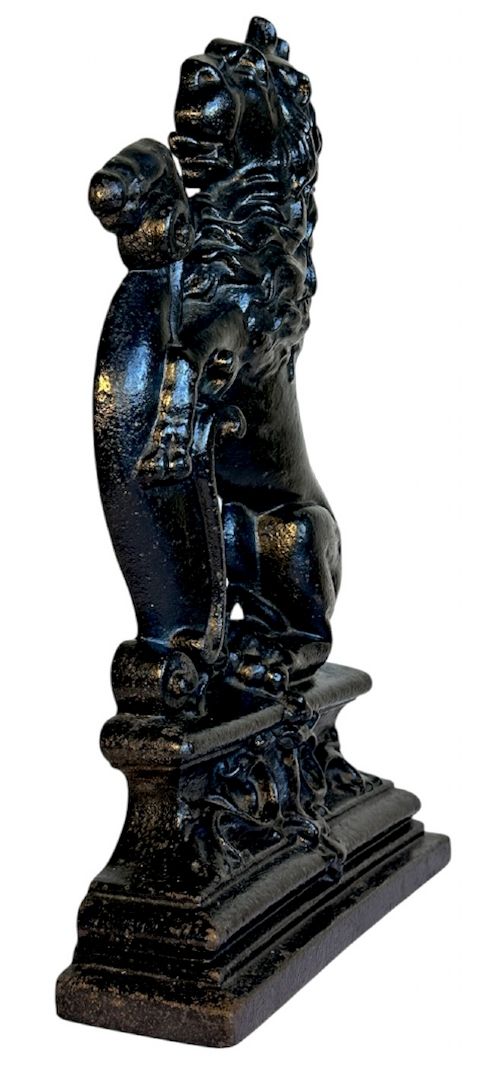
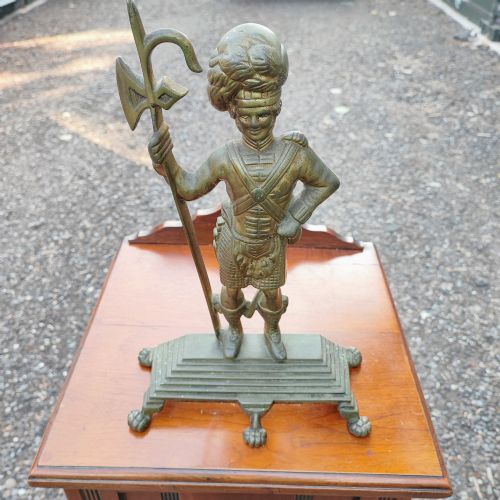
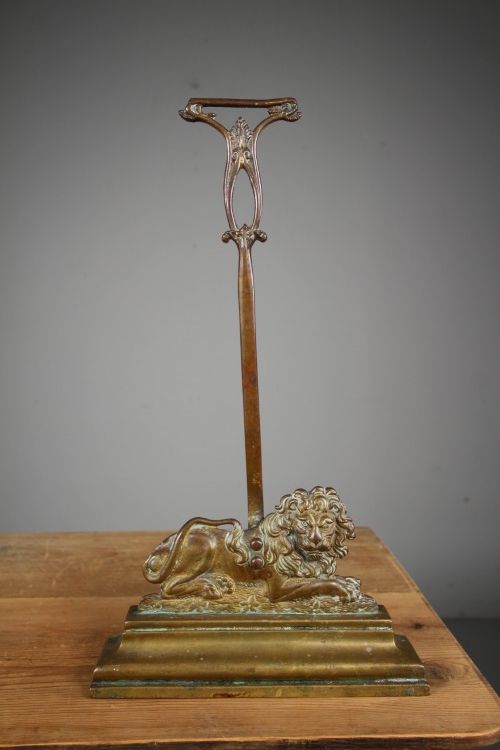
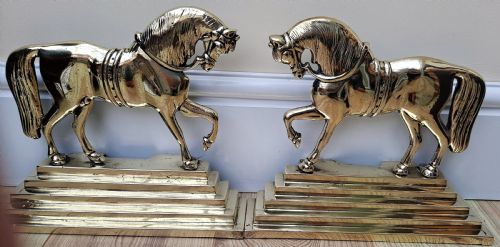
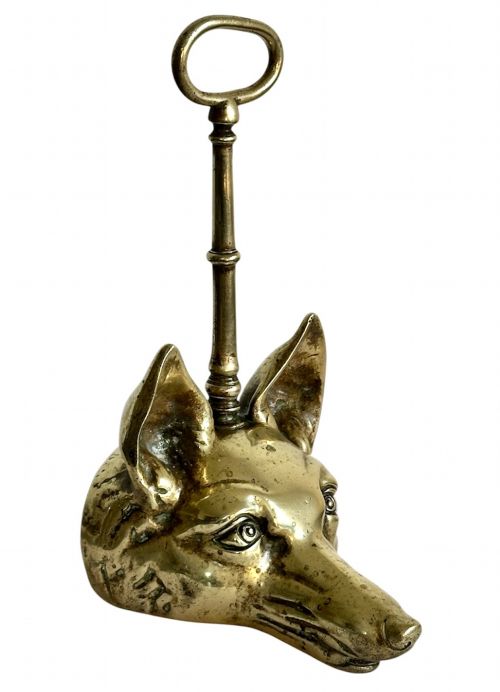
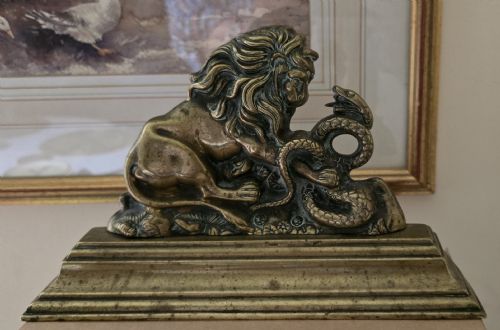
Most examples take figurative and sculptural forms in brass and cast iron, including animals, soldiers, mythological creatures, and literary characters. A buyer meets lions, dolphins, horses, dogs, and Mr Punch most frequently on this page.
Makers and foundries utilised robust metals to create substantial door keepers that doubled as decorative sculptures. English country house pieces sit alongside Dutch examples and Egyptian Revival motifs.
How they were made
Foundries cast molten iron, brass, and bronze into intricate moulds to produce these substantial door stops. Lead often provided the internal weighting required to keep heavy doors stationary.
Makers applied surface finishes including paint and polished metal to brass and cast iron bodies. Detailed chasing on brass and careful painting on cast iron define the manufacturing approach.
Heavy Door Stop Retail Price Guide 2026
Typical asking prices for heavy door stop among the pieces listed under this phrase on Sellingantiques today, from the lower quarter to the upper quarter. They describe what is for sale here now, not the wider market.
Listings feature brass and cast iron materials across Victorian, Regency, and Georgian periods, incorporating bronze, lead, and painted finishes.
What varies in quality
The clarity of the casting separates standard production from finer sculptural work. Crisp definition in figures like lions, dolphins, and soldiers shows superior pattern-making.
Weight distribution and material selection govern how effectively a piece performs its function. Solid brass and heavy cast iron retain stability better than lighter alternatives.
Tonks
The Heavy Door Stop Glossary
- Cast iron
- An iron-carbon alloy poured into moulds to create rigid, heavy objects. It forms the foundation of many Victorian animal and character stops.
- Cast brass
- Copper and zinc alloy shaped through foundry casting. This material yields bright, durable door furniture with polished or patinated surfaces.
- Egyptian Revival
- A nineteenth-century design style incorporating motifs from ancient Egypt. Sphinx figures and related classical elements appear within this aesthetic.
Heavy Door Stop: Frequently Asked Questions
What is a heavy door stop used for?
These heavy objects hold open interior doors in hallways and rooms to manage airflow and movement. Their substantial weight prevents heavy timber doors from swinging shut.
Beyond utility, they served as decorative door keepers and sculptural accents in period interiors. Figures ranged from heraldic animals to popular theatrical characters.
How do I date a heavy door stop?
Dating relies on stylistic periods such as Regency, Victorian, and Edwardian design traits. Material choices like cast iron and brass also point to specific manufacturing eras.
Maker attribution and specific motifs like Egyptian Revival or character figures help narrow the production decade. Construction methods reveal whether a piece dates to the nineteenth or early twentieth century.
What metals are used in these pieces?
Foundries primarily utilised cast iron, brass, cast brass, and bronze to achieve the necessary heft. Lead frequently acts as internal ballast.
Surface treatments include original paint on iron and polished finishes on brass. These metals ensured the door stops remained durable under daily domestic use.
Are these door stops heavy enough for large doors?
These pieces were specifically cast with substantial metal mass to anchor heavy interior doors. Their weight provides the friction needed to resist strong drafts.
Larger iron dolphins, lions, and porters offer the highest mass for substantial doors. Smaller dog and bird figures suit lighter room doors.