



Heavy Copper Log Tub
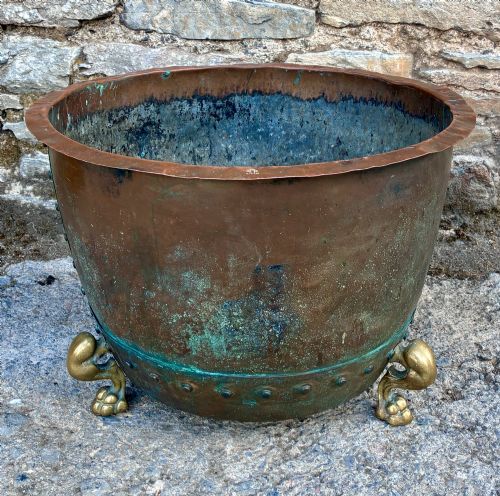
A heavy copper log tub brings rugged nineteenth-century utility indoors, offering a robust hearthside container shaped from hand-riveted metal.
Heavy Copper Log Tub
A heavy copper log tub represents the enduring appeal of nineteenth-century utilitarian metalwork brought into modern domestic spaces as a fireside accessory. These substantial vessels originate primarily from Victorian, Georgian, and early nineteenth-century periods, often bridging the gap between practical farmhouse equipment and decorative household containers.
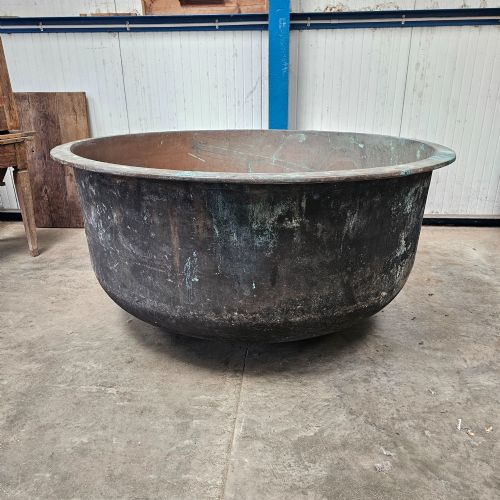
Buyers seeking a heavy copper log tub will frequently encounter repurposed agricultural vessels, boilers, cheese vats, and grain measures rather than objects manufactured solely for domestic firewood storage ab initio. Such pieces display the generous proportions and rugged construction typical of industrial and country workshops.
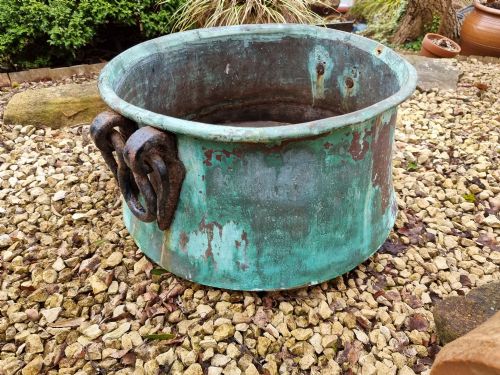
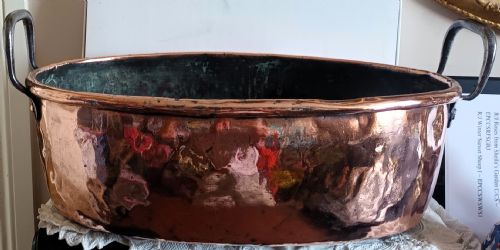
The forms span deep cylindrical buckets, riveted cauldrons, and large bowls, frequently featuring wrought iron swing handles or robust side mountings. Many examples show dual identities in contemporary use, serving equally as generous log bins and large garden planters.
How they were made
Construction relies heavily on sheet copper shaped by hand, joined with sturdy seams and held together by rows of visible hand-beaten rivets. This method gave the vessels the structural integrity required for heavy boiling tasks and agricultural duties.
Makers integrated contrasting metals such as wrought iron and cast iron for swing handles, drop rings, and rims, enhancing both utility and structural support. Surface finishes range from polished warm metal to natural verdigris patinas accumulated over decades of exposure and use.
Heavy Copper Log Tub Retail Price Guide 2026
Typical asking prices for heavy copper log tub among the pieces listed under this phrase on Sellingantiques today, from the lower quarter to the upper quarter. They describe what is for sale here now, not the wider market.
Listings span the nineteenth century, featuring Victorian and Georgian periods alongside French Provincial and rustic farmhouse styles.
What varies in quality
Quality rests in the gauge of the metal and the integrity of the original construction rather than surface gleam alone. Thicker copper walls and heavy-duty riveting distinguish industrial-grade vessels from lighter decorative items.
The presence of original iron hardware, such as robust swing handles and secure bracket mounts, elevates a piece significantly. Retaining authentic surface patination and honest signs of period wear adds considerable character compared to over-polished or stripped surfaces.
The Heavy Copper Log Tub Glossary
- Verdigris
- A green patina formed naturally on copper surfaces through atmospheric oxidation over long periods. This chemical layer protects the underlying metal and provides a distinct aged appearance valued by collectors.
- Cauldron
- A large round metal pot with a wide opening, traditionally used over an open fire for boiling liquids or cooking. These deep vessels often feature heavy iron swing handles for lifting.
- Cheese vat
- A massive industrial vessel utilised in dairy production to process large quantities of curds. Their exceptional scale makes them striking containers for domestic logs or substantial plants.
- Grain measure
- A standardised cylindrical container employed to gauge dry agricultural produce by volume. They typically bear workshop numbers and stout construction suitable for heavy daily handling.
- Riveting
- A fastening method where metal pins are inserted through overlapping copper sheets and hammered flat to secure seams. This technique creates durable joints visible along the bodies of older vessels.
Heavy Copper Log Tub: Frequently Asked Questions
Are these tubs waterproof?
Many of these vessels started life as boiling coppers, cheese vats, or washing pans designed to hold liquid securely.
Over time, seams can shift, so checking individual piece condition is wise before using them to hold water indoors.
How do I clean a copper log tub?
Gentle dusting and occasional wiping with a soft cloth preserve the accumulated character and natural surface tones.
Harsh chemical polishes strip away historical patina, which many collectors prefer to keep intact.
Can I use them outdoors?
Their robust metal construction makes these vessels resilient enough for garden use as large planters.
Exposure to the elements will simply accelerate the natural formation of verdigris and weathering.
How do I date a copper vessel?
Stylistic clues, construction methods like hand-beaten riveting, and associated period markers help place pieces across the Georgian and Victorian eras.
Makers rarely stamped dates, so attribution relies on manufacturing techniques and traditional forms.