

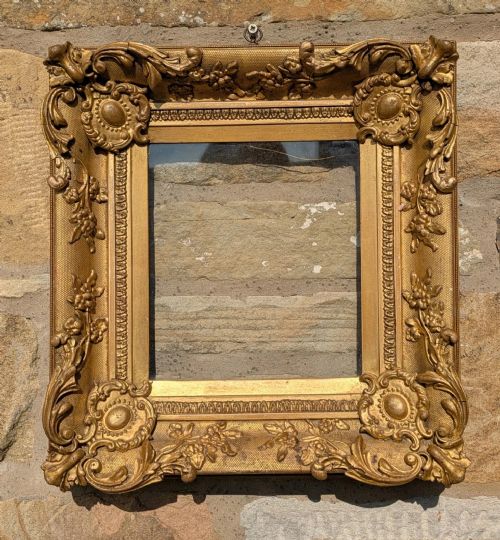


Heavy Carved Mirror
A heavy carved mirror brings substantial timber and deep relief into a room, anchoring the space with serious architectural presence.
Heavy Carved Mirror
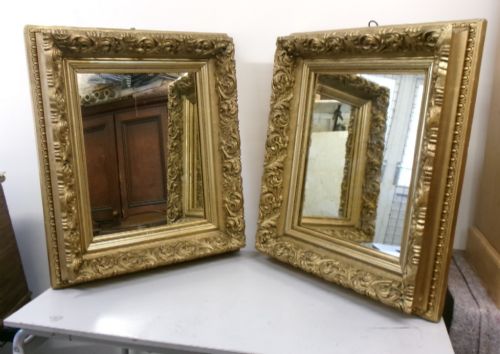
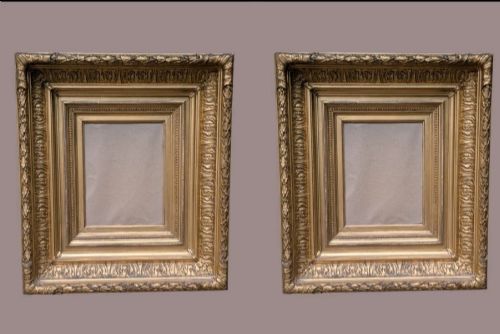
When you search for heavy carved mirror, you encounter pieces dominated by robust timber frames or heavily gilded surrounds built to command a wall. The selection leans heavily towards nineteenth century oak wall mirrors, grand overmantels, and deep picture frames adapted for glass.
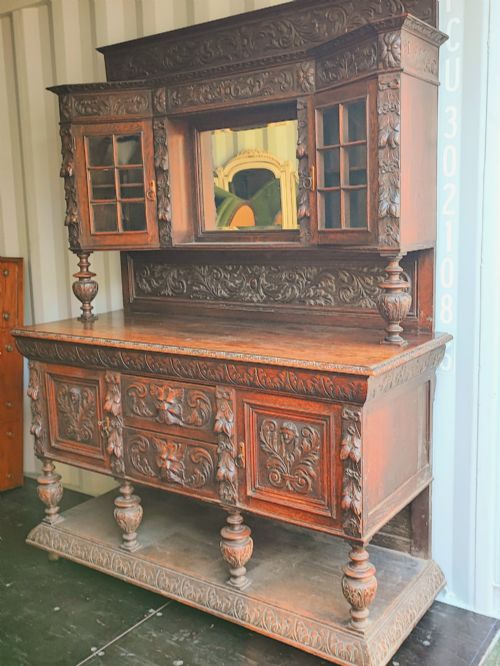
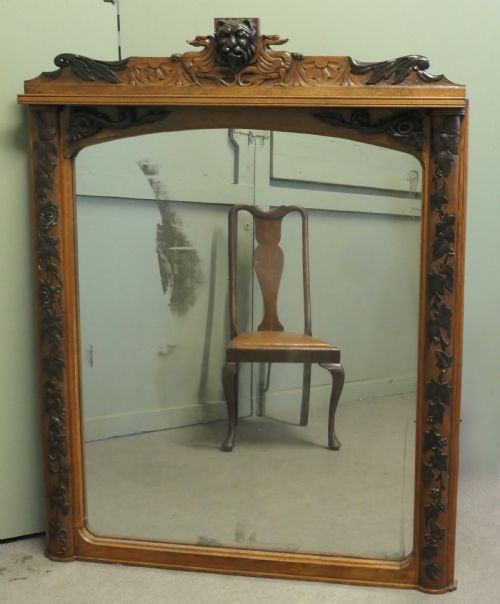
Victorian examples in dark oak often display intense relief carving, including Green Man motifs and Flemish revival patterns, alongside architectural cushion frames. Alongside these sit giltwood and gesso pieces spanning baroque to rococo revival styles, offering contrasting brilliance and intricate surface ornamentation.
How they were made
Makers constructed the timber frames primarily from solid oak, sometimes utilising brass details or incorporating substantial wooden panels to support the weight. Carving was executed entirely by hand directly into the wood, creating deep undercuts and three-dimensional foliage.
Giltwood pieces rely on a foundation of gesso built up over wood, into which sand moulding and decorative elements were applied before receiving layers of gold leaf. Mirror glass was then fitted securely into these deep rebates, often held by traditional wooden backing boards.
Some oak mirrors hide fierce Green Man masks peering out from the foliage, keeping a watchful wooden eye on the hallway.
What varies in quality
The distinction between ordinary and exceptional work lies in the depth and crispness of the carving, where superior pieces exhibit sharp chisel work without mechanical smoothing. The handling of the gilt surface also dictates standard, with finer examples showing expert burnishing and coherent layers of gold leaf over well-prepared gesso.
Proportion and scale heavily influence value, as grand overmantels and large pier glass mirrors require balanced framing to support their immense weight successfully. The integrity of the original mirror glass and the preservation of the timber structure complete the hierarchy.
The Heavy Carved Mirror Glossary
- Gesso
- A plaster-like mixture applied to wood frames as a base for gilding or painting. It is built up in thin layers and can be modelled or stamped before drying.
- Giltwood
- Timber that has been coated with gold leaf. This finish was standard for high-status baroque and rococo revival frames.
- Overmantel mirror
- A large mirror designed to hang specifically above a fireplace mantelpiece. These pieces frequently span the full width of the chimney breast.
- Pier glass
- A tall mirror designed to be hung on the pier of wall between windows. They often match console tables and utilise heavy frames.
- Cushion frame
- A frame profile with a rounded, convex section resembling a pillow. This form is typical of seventeenth century and revival oak work.
Heavy Carved Mirror: Frequently Asked Questions
Are these mirrors original to their glass?
Many nineteenth century and earlier mirrors retain their original silvered glass, which often exhibits subtle foxing and age spots. Replacement glass does occur during restoration, though period glass shows characteristic slight distortions and thickness variations.
Examining the backing boards and the fixings holding the glass in place helps determine whether the plate has been changed over time.
How do I clean an antique gilt frame?
Dust giltwood and gesso frames gently with a very soft, dry brush to prevent damage to the delicate gold leaf surface. Avoid using any liquid cleaners, moisture, or chemical sprays, as these can strip the gilding and dissolve the underlying gesso.
Professional conservation is recommended if the surface accumulates stubborn grime that dry brushing fails to remove.
How do I tell a Victorian copy from earlier work?
Victorian revival pieces often display machine-assisted elements or standardised carving depths compared to the idiosyncratic chisel marks of seventeenth century work. Tool marks on the reverse of the timber and the composition of the frame joints provide clear indicators of period.
Examining the nails, screws, and backboards also reveals the manufacturing technology typical of the Victorian era rather than earlier centuries.