






Heavy Bronze Ornament
Heavy bronze ornament works as a catch-all term for solid metal sculptures, doorstops and desk accessories cast in bronze, brass or iron.
Heavy Bronze Ornament
A heavy bronze ornament encompasses functional items like doorstops, inkwells and bookends alongside standalone animal sculptures and figurines. The category spans the nineteenth century through to modern periods, drawing on Victorian, Art Deco and Asian aesthetic traditions.
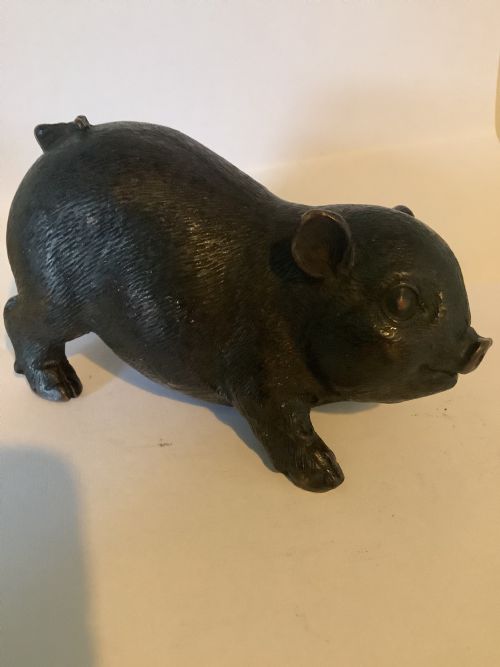
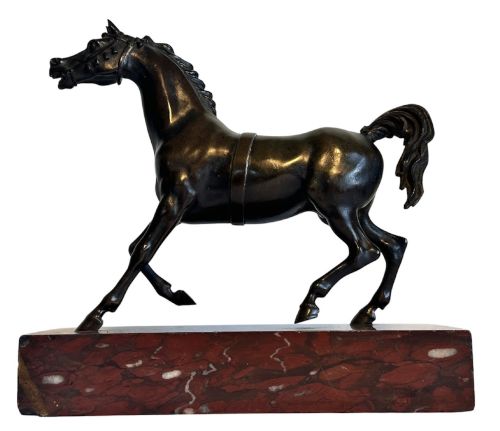
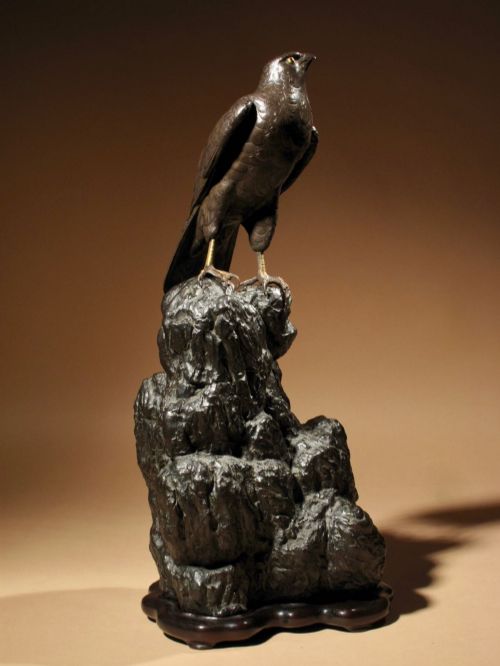
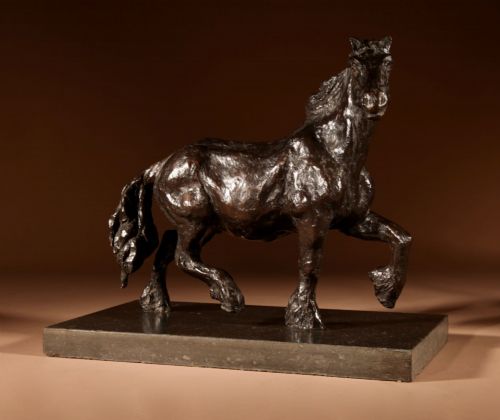
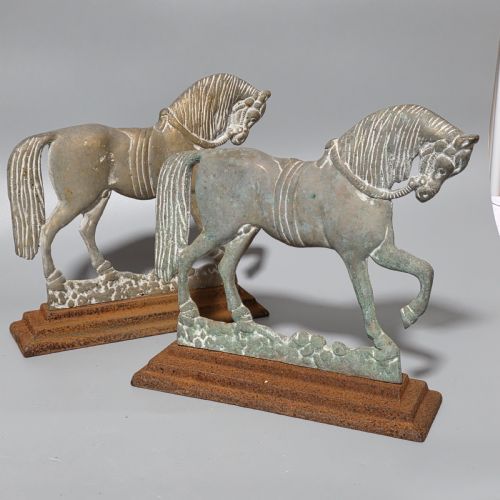
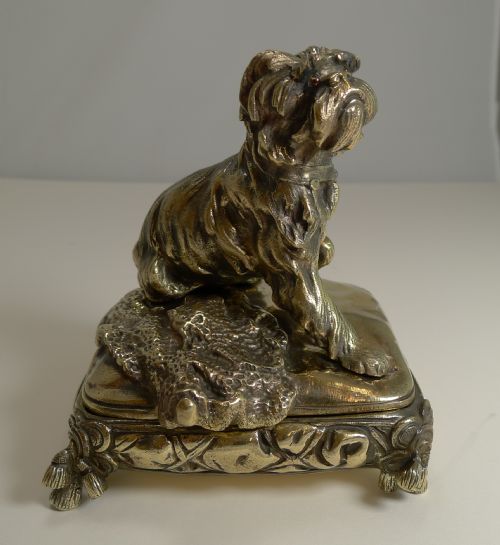
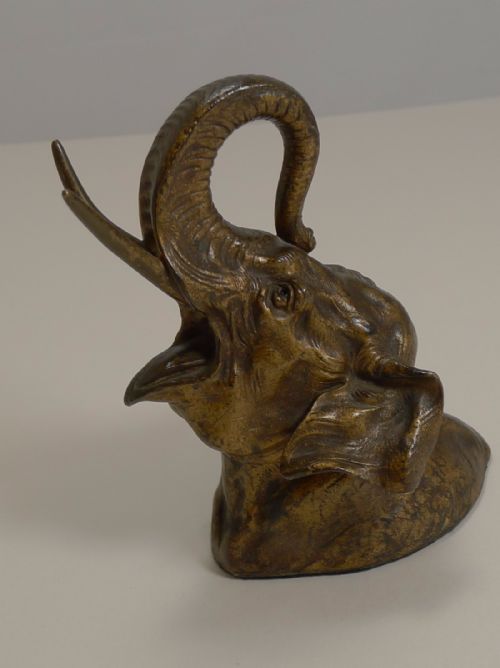
Buyers seeking a heavy bronze ornament will frequently encounter animalier subjects, particularly horses, dogs and wild beasts modelled with naturalistic detail. Pieces often incorporate mixed media bases of marble, stone or wood to support the substantial weight of the metal above.
How they were made
Items in this category are cast using traditional metalworking techniques, frequently utilising bronze, brass or cast iron to achieve substantial mass. Many pieces receive surface treatments such as cold-painted polychrome finishes or applied patinas to enhance texture and depth.
Functional objects integrate secondary materials like glass, marble and mahogany to create robust desk accessories, inkwells and doorstops. Bases of stone or timber provide structural stability for heavy metal figures.
Heavy Bronze Ornament Retail Price Guide 2026
Typical asking prices for heavy bronze ornament among the pieces listed under this phrase on Sellingantiques today, from the lower quarter to the upper quarter. They describe what is for sale here now, not the wider market.
One hefty specimen weighs over five kilograms, ensuring your paperwork stays put even during a domestic gale.
What varies in quality
The degree of anatomical precision and muscular definition in animalier subjects separates standard castings from superior sculptural works. Finer examples display meticulous chisel work and surface finishing after the initial cast leaves the mould.
The integration of the metal figure with its supporting base, whether marble, stone or wood, indicates the care taken during assembly. Heavier weights and signed or attributed works generally denote higher workshop standards.
Renee Sintenis·Philip Blacker·Franze Bergman·Ernest Louis Adnin
The Heavy Bronze Ornament Glossary
- Animalier
- A nineteenth-century artistic genre focusing on the realistic portrayal of animals, particularly in motion.
- Cold painted
- A technique where paint is applied to an unheated bronze surface, common in Austrian and European animal figures.
- Patina
- The surface coloration and sheen developed naturally over time or applied chemically to bronze and brass.
- Andiron
- A horizontal metal support used in pairs inside a fireplace, occasionally repurposed as heavy door stops.
Heavy Bronze Ornament: Frequently Asked Questions
How do I clean a bronze ornament?
Dust gently with a soft brush to protect the patination and historical surface finish.
Avoid commercial metal polishes that strip away the aged character accumulated over decades.
Are these pieces solid bronze?
Many items utilise solid cast bronze or brass, while others combine iron with a bronze finish.
Weight varies significantly depending on the internal composition and the presence of stone or wooden bases.
What periods do these ornaments come from?
The selection ranges from nineteenth-century Victorian works to Art Deco pieces and items produced later than nineteen sixty.
Stylistic cues and casting methods typically help indicate the manufacturing era.
How were desk accessories used historically?
Items like inkwells and heavy cannons served practical clerical functions in nineteenth-century offices and studies.
Desk ornaments combined utility with decorative presence to project status and order.