




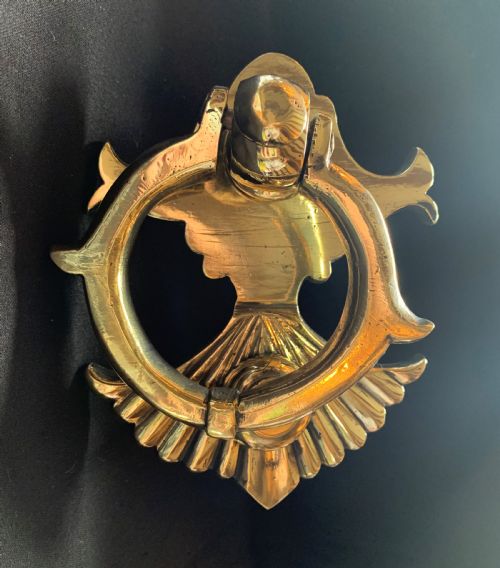


Heavy Brass Knocker
These heavy brass knocker examples bring substantial weight and tactile presence to an entryway, offering solid metal construction and traditional door hardware.
What a heavy brass knocker is
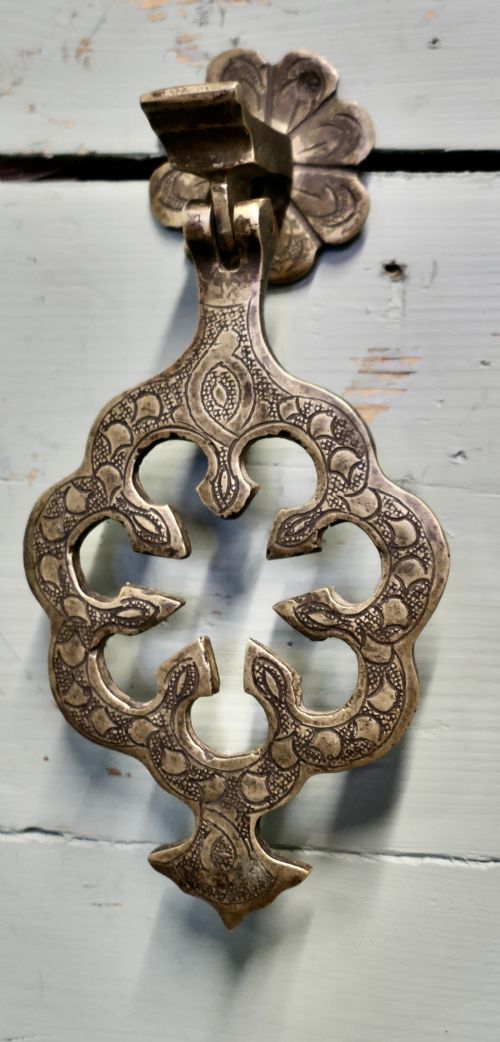
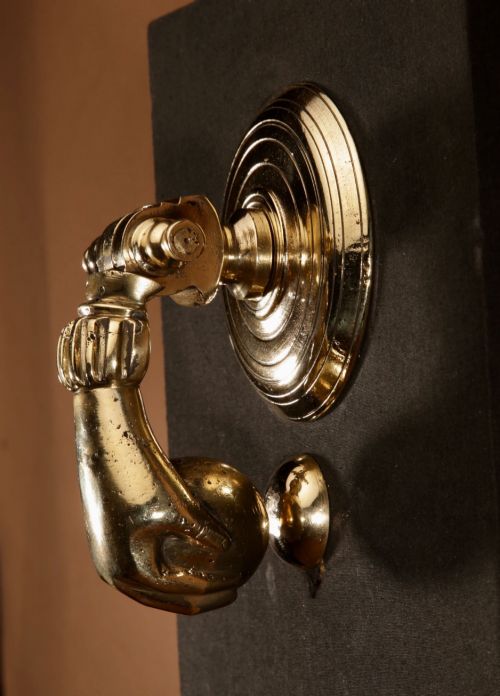
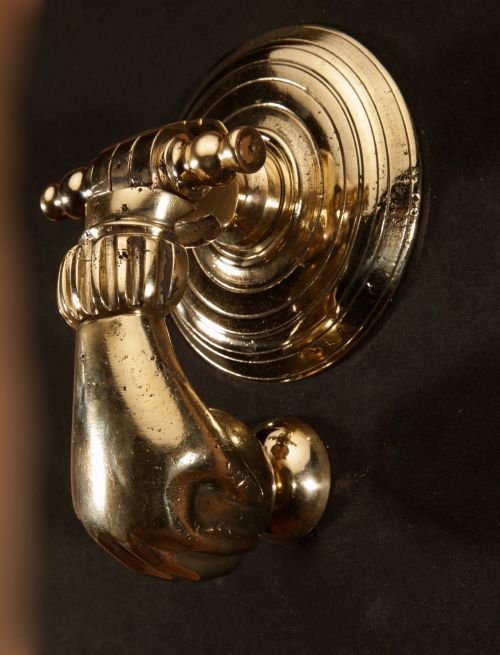
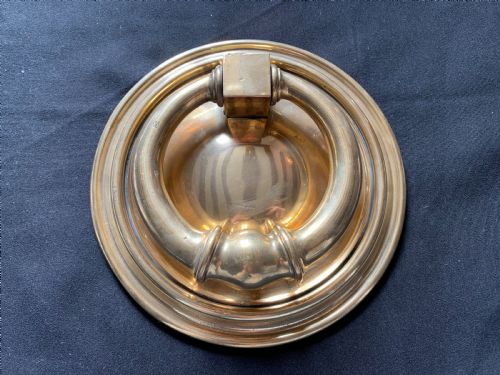
A heavy brass knocker provides a robust entrance fixture designed for front doors, appearing in styles from the Victorian period, 19th Century, 1900, 1920, and 1940. The selection includes striking forms such as anchors, lion masks, Maltese dolphins, doctor's knockers, and pierced designs.
Most items you meet on this page originate from the Victorian era or follow Georgian style and maritime themes. They function primarily as door hardware, combining utilitarian purpose with period decorative detail.
The material composition relies heavily on brass and cast brass, occasionally incorporating iron components. Pieces range from complete letterbox combinations to large independent strike rings and drop knockers.
How they were made
Manufacturing methods rely on casting molten metal into solid forms, resulting in heavy gauge brass and substantial solid brass structures. This founding technique allows for intricate surface relief work and high durability.
Details such as lion masks, anchors, and dolphins are achieved through detailed mould work and subsequent hand-finishing. Pierced brass designs involve cutting away negative space from the metal plate to create openwork patterns.
Retail Price Guide 2026
Typical UK retail prices for heavy brass knocker, calculated from the Sellingantiques database of over a million retail prices indexed since 2003. This retail price guide relies exclusively on Sellingantiques data; no external sources or auction records are used, so the figures do not describe the wider market.
Listings span the Victorian era, 19th Century, 1900, 1920, and 1940, utilising brass, cast brass, and iron.
What varies in quality
The inclusion of complete mounting hardware or integrated letterbox assemblies elevates certain pieces above simple replacementknockers. Solid cast construction likewise commands higher regard than hollowed or thin-walled alternatives.
The Heavy Brass Knocker Glossary
- Cast Brass
- Molten alloy poured into a mould to create solid decorative objects. This technique produces durable items with complex dimensional shapes.
- Lion Mask
- A classical decorative motif depicting the face of a lion, frequently used as the striking plate or anchor point for heavy door hardware. It symbolises strength and protection.
- Pierced Brass
- Metalwork featuring cut-out sections that create ornamental patterns through negative space. This method lightens heavy plates while maintaining structural integrity.
Frequently Asked Questions
How do I mount a heavy brass knocker?
Installation requires suitable screw fixings that pass securely through the pre-drilled holes in the backplate or striking points. Because these items possess considerable weight, anchoring them directly into solid wood doors ensures stability during daily use.
Aligning the striking hammer correctly with the backplate prevents uneven impact marks on the door surface. Checking the clearance behind the door ensures internal mechanisms or glass panels remain undisturbed by the fixing bolts.
What periods do these knockers represent?
The available examples span the Victorian era, the 19th Century, 1900, 1920, and 1940. Stylistic influences also draw upon earlier Georgian design traditions and maritime motifs.
Victorian pieces often favour ornate lion masks and marine creatures like dolphins, while other items showcase utilitarian anchor shapes or doctors' patterns. Each era brings distinct casting depths and decorative conventions to the metalwork.
How should I clean a brass knocker?
Maintenance involves removing surface dust with a soft cloth and occasionally applying a mild metal cleaner if you wish to brighten the brass. Many owners prefer to leave the natural patination developed over decades intact.
Harsh abrasive compounds can damage fine casting details and remove historical ageing. Regular wiping with a dry cloth protects the metal from excessive moisture accumulation.