




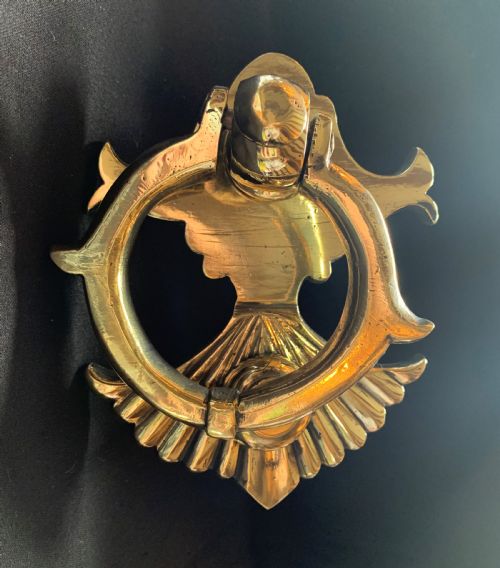


Traditional Brass Door Knocker
A traditional brass door knocker brings immediate character to an entrance, offering solid weight and enduring metalwork from the Victorian, Georgian and later periods.
Traditional Brass Door Knocker
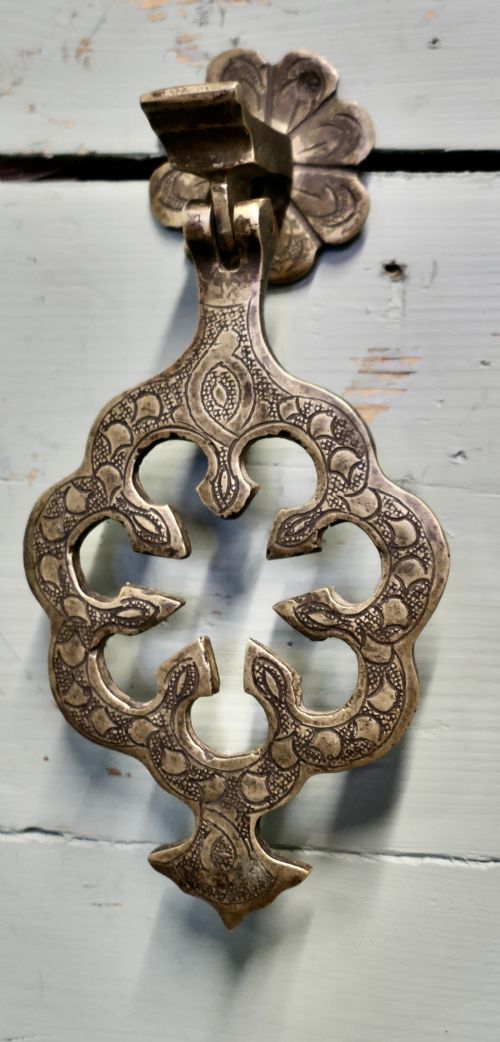
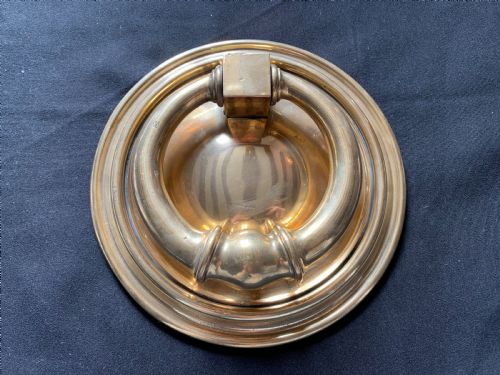
A traditional brass door knocker serves as both functional hardware and decorative entrance furniture, appearing across periods from the Georgian era through the Victorian age and into the mid-twentieth century. Buyers searching this phrase encounter substantial pieces designed to mount directly onto exterior timber doors, often supplied with matching striking plates.
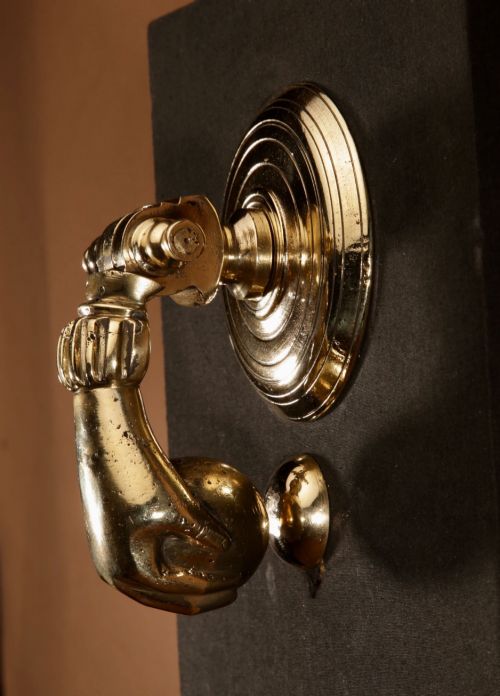
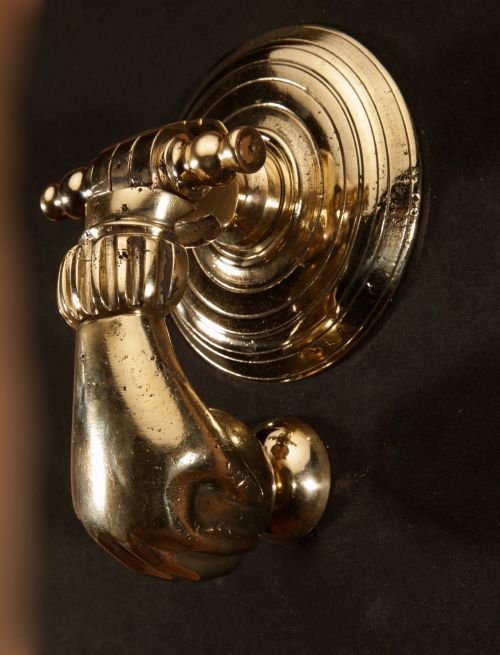
The selections span distinct thematic forms, including classical lion masks, maritime anchors, grasping hands and distinctive Maltese dolphin designs. Heavier examples incorporate integrated letterboxes or medical doctor styles, reflecting the specific architectural demands of their original domestic settings.
Victorian examples dominate the available styles, frequently cast with significant heft and detailed surface ornamentation. Alongside these, Georgian style items and robust twentieth-century interpretations provide traditional alternatives for period and vernacular properties alike.
How they were made
Makers utilised casting techniques to shape molten metal into complex sculptural forms such as hands, marine animals and architectural masks. Solid brass and bronze predominated, chosen for both durability against the weather and the capacity to take a fine polish.
Heavy gauge metal was standard for larger hardware to withstand daily use over generations. Secondary materials such as iron appear in associated fixings or related hearth accessories, whilst polished bronze offers an alternative golden-toned metal finish.
Several heavy brass hands wait to greet visitors, proving that a firm handshake can begin long before anyone crosses the threshold.
What varies in quality
The primary distinction in quality lies in the gauge of the metal and the crispness of the casting. Heavier, solid brass examples show sharper relief in details like lion manes, feathers or hand joints, whereas lighter castings can appear softer and less defined.
Completeness also dictates standing, particularly where original striking plates or integrated letterbox backplates remain paired with the knocker. The depth of hand-finishing and polish on the bronze or brass surface separates standard utilitarian hardware from more sculptural, decorative specimens.
The Traditional Brass Door Knocker Glossary
- Striking plate
- The metal plate mounted on the door face that receives the impact of the knocker. This protects the timber from repeated blows.
- Doctors knocker
- A specific vertical drop-knocker design historically associated with medical practitioners. The top pivot allows the ring or bar to lift and strike the plate below.
- Lion mask
- A decorative mounting boss shaped as a stylised lion face. It provides a classical architectural motif common on period door hardware.
- Cast brass
- Molten alloy poured into a mould to form solid shapes. This method creates the three-dimensional relief seen on figural knockers.
Traditional Brass Door Knocker: Frequently Asked Questions
How do I install a brass door knocker?
Most traditional knockers mount through the door using threaded bolts secured from the interior side. Proper alignment ensures the striking part hits the centre of the plate.
Care should be taken to match screw lengths to the specific thickness of your exterior door to prevent wood splitting.
Are these door knockers solid brass?
The listings include solid brass, cast brass and bronze specimens designed for exterior architectural use. These heavy metal alloys provide durability against weathering.
Lighter components may use cast metal alternatives while retaining the traditional period appearance.
How do I maintain polished bronze or brass?
Unlacquered brass and bronze naturally develop a darker patina over time when exposed to the outdoor elements. Regular wiping with a soft cloth removes surface dirt.
Metal polish can be applied if you prefer to maintain a bright, reflective golden sheen on the hardware.