



Period Door Hardware Brass
Period door hardware brass brings domestic entrances to life through cast metal knockers, handles, and bells shaped across Georgian, Victorian, and Edwardian eras.
Period Door Hardware Brass
Period door hardware brass encompasses functional architectural elements including door knobs, knockers, finger plates, bell pulls, and letter boxes. These items serve the practical purpose of operating and gracing house entrances while establishing historical architectural character.
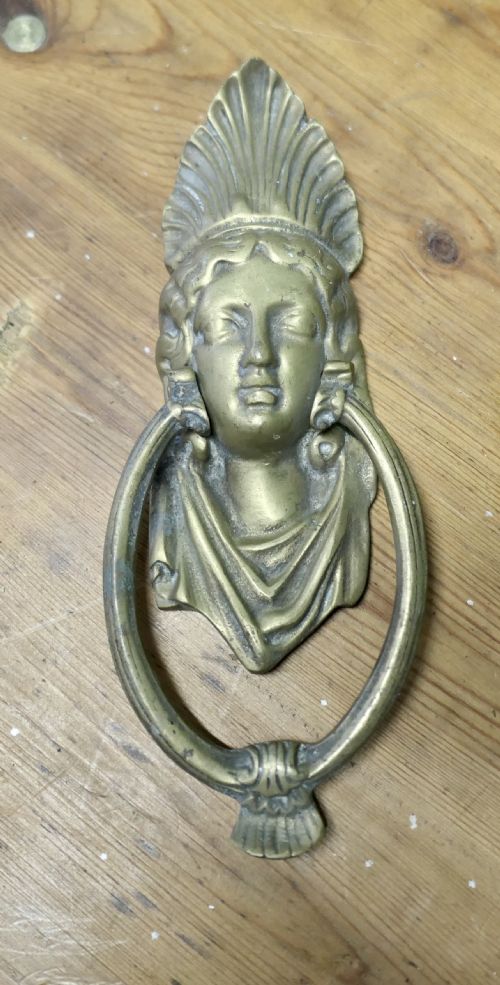
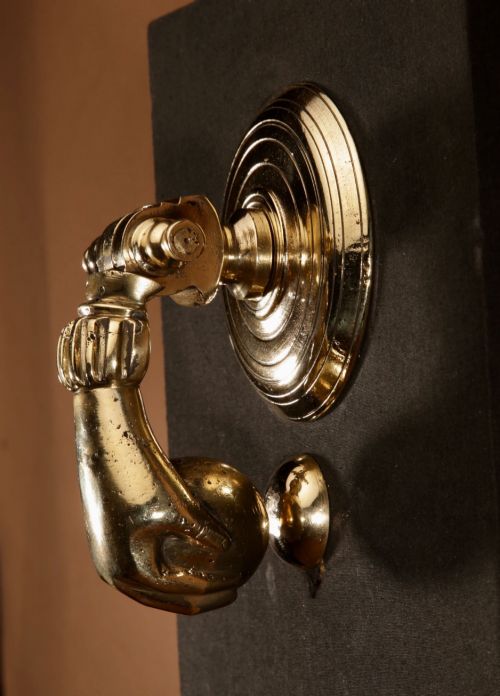
Victorian and Georgian examples dominate the selection, appearing alongside Regency, Edwardian, and Art Nouveau pieces. Door knobs often feature distinct geometric profiles such as beehive or octagonal shapes, while knockers take sculptural forms like caryatids, lion masks, hands, elves, and dolphins.
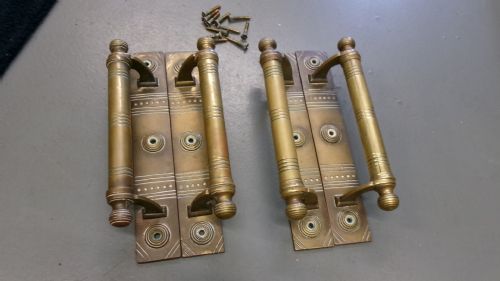
Buyers encounter matching sets of door handles, single centre door knobs, and comprehensive hardware assemblies complete with original locks and keys. Materials range beyond standard brass to include bronze, iron, glass, and wood combinations.
Materials and construction methods
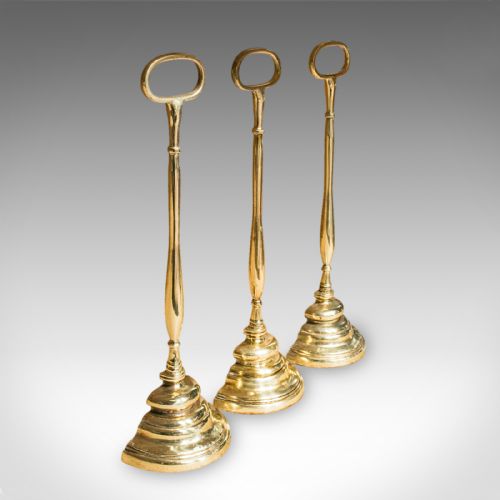
Makers utilised cast brass, solid brass, and bronze to create durable architectural fittings with substantial weight. Metal components were cast in moulds, allowing for intricate sculptural detail on knockers, mask plates, and decorative handles.
Combination pieces integrate brass with contrasting materials such as china, blue glass inserts, and wooden elements. Polished steel mechanisms appear alongside brass plates in functional locks and door bell pulls.
Period Door Hardware Brass Retail Price Guide 2026
Typical asking prices for period door hardware brass among the pieces listed under this phrase on Sellingantiques today, from the lower quarter to the upper quarter. They describe what is for sale here now, not the wider market.
Assessing quality in metalwork
Quality reveals itself in the crispness of the casting and the depth of the sculptural relief on items like hand knockers and lion masks. Superior pieces retain sharp edges and clear detailing that lesser castings lose during reproduction or wear.
The integrity of the mechanism, the heaviness of the solid brass or bronze construction, and the presence of matching components separate standard hardware from finer architectural survivals. Original mounts, keys, and striking plates enhance the completeness of the item.
The Period Door Hardware Brass Glossary
- Caryatid
- A sculpted female figure serving as an architectural support. In door hardware, it forms the vertical grip of a knocker.
- Beehive
- A turned door knob profile characterised by concentric ridged rings resembling a traditional hive. This pattern appears frequently on Victorian brass pairs.
- Centre door knob
- A stationary handle fixed to the middle of a front door rather than the edge. These pieces allow visitors to knock or pull heavy doors.
- Finger plate
- A flat protective plate mounted behind a door handle to prevent fingerprints and wear on the wood. Sets often match adjacent door knobs.
- Bell pull
- A mechanical lever or handle connected to an interior bell system. Georgian and Victorian examples operate via wall-mounted cranks and wires.
Period Door Hardware Brass: Frequently Asked Questions
How do I identify a Victorian door knocker?
Victorian door knockers often display heavy cast brass construction in elaborate figurative motifs such as lions, hands, or mythological creatures. They frequently incorporate matching striking plates and letterbox apertures.
Examination of the reverse side and mounting fixings helps verify age through period casting methods and patination.
What is a centre door knob?
A centre door knob is a stationary handle fixed to the middle of an entrance door. Rather than turning a latch, visitors grasp the knob to pull the door shut.
These pieces typically date from the Georgian, Regency, and Victorian eras and come in octagonal, ovular, or beehive profiles.
Can I install antique brass hardware on modern doors?
Many period door handles, knockers, and finger plates can be fitted to modern doors with standard measurements. Consideration must be given to spindle sizes and backplate dimensions.
Matching locks and keys may require professional installation to ensure proper alignment with contemporary door frames.
What materials are used in these door fittings?
The listings feature solid brass, cast brass, and bronze as the primary metallic components. Iron, polished steel, and wood also appear in structural mechanisms and handle grips.
Decorative elements occasionally incorporate china inserts and blue glass components mounted in brass frames.