



Heavy Brass Fireplace Dogs
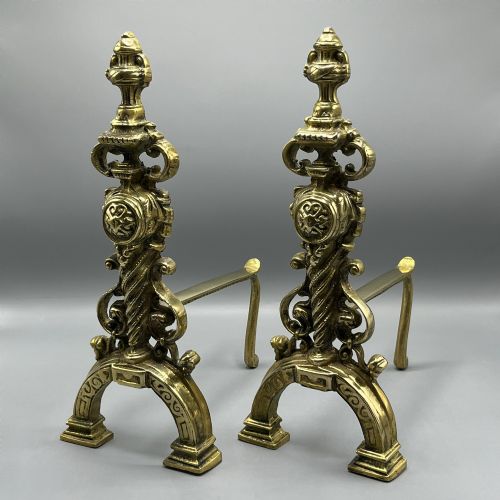
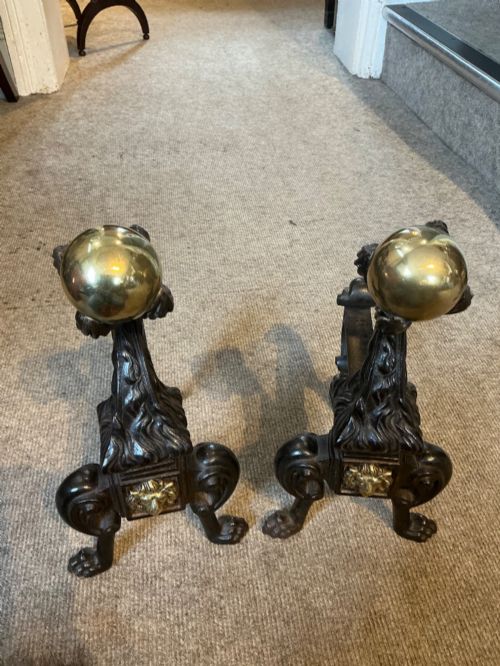
Heavy brass fireplace dogs anchor an open hearth with substantial metalwork, offering both structural support for logs and a decorative focal point.
Heavy Brass Fireplace Dogs
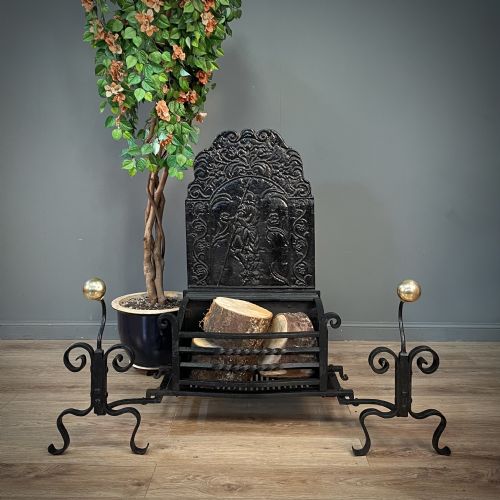
The forms range from large Victorian and monumental gilt brass examples to Dutch Baroque and 17th Century revival styles, frequently accompanied by matching fire grates or companion sets. These items function as both practical hearth accessories and sculptural elements that define the period character of a fireplace.
How They Were Made
The construction of these pieces relies heavily on casting and forging techniques, combining brass with cast iron or wrought iron for structural integrity. Founders utilised sand casting and detailed chasing to produce ornate decorative motifs on solid brass bodies, whilst supporting billets and fire baskets incorporate robust iron work to withstand intense hearth temperatures.
Finishes vary from polished solid brass and gilt brass highlights to blackened cast iron frames, reflecting the technical capabilities of nineteenth and early twentieth century metalworkers.
The selection includes stylistic revivals such as Dutch Baroque, Jacobean, and seventeenth-century designs alongside Arts and Crafts accessories.
What Varies in Quality
Quality in these hearth supports is determined by the heft of the metal, the crispness of the cast ornamentation, and the integrity of the joints between the upright front and the horizontal billet bar. Superior examples display deep, deliberate relief casting and substantial weight in the solid brass components rather than thin sheet construction.
Design cohesion also separates standard utilitarian items from exceptional pieces, where revival styles exhibit historically informed detailing and harmonious proportions across the pair.
The Heavy Brass Fireplace Dogs Glossary
- Andirons
- Supports for logs in an open fireplace, typically consisting of a vertical decorative front on legs and a horizontal bar behind. They are often synonymous with fire dogs.
- Billet bar
- The horizontal iron or brass bar extending backward from the front upright to support the burning logs. This structural component bears the direct weight of the firewood.
- Gilt brass
- Brass coated with a thin layer of gold or gold-coloured finish to enhance brilliance and decorative impact. This treatment appears on more monumental nineteenth-century pairs.
- Fire basket
- A metal basket or grate designed to hold coal or wood within a fireplace, sometimes incorporating integrated fire dogs. It keeps the fuel contained and elevates it from the hearth floor.
Heavy Brass Fireplace Dogs: Frequently Asked Questions
What are heavy brass fireplace dogs used for?
These pieces support logs inside an open fireplace, elevating the firewood to allow air to circulate underneath for a cleaner, hotter burn. They also provide a decorative metal front to the hearth when the fireplace is not in use.
Historically, larger pairs handled substantial timber in deep period fireplaces, combining practical load-bearing strength with ornate stylistic display.
How do I identify Victorian andirons?
Victorian examples often feature heavy solid brass casting, ornate surface decoration, and distinct revival influences such as Gothic, Baroque, or Neo-Classical motifs. They frequently show substantial scale and weight.
Examining the casting quality and the style of the decorative finial helps separate nineteenth-century production from later twentieth-century interpretations.
Can I use antique fire dogs in a working fireplace?
Many solid brass and iron fire dogs are structurally robust enough to support logs in an active hearth, provided the metal shows no deep structural cracking or thinning from historical heat damage. Iron components handle direct flame well, whilst heavy brass sections withstand the radiant heat.
It is wise to check the thickness of the billet bar and ensure the pair sits level on the hearth floor before lighting a fire.
How do I clean antique brass fire dogs?
Maintenance typically involves dusting with a soft cloth and occasionally applying a gentle brass cleaner if you prefer a bright finish. Many collectors choose to preserve a darker, aged patina that accumulates over decades of use.
Avoid harsh abrasives that can wear down the fine relief cast details on ornate Victorian or revival surfaces.