

Hearth Kerb Guard
A hearth kerb guard keeps stray embers contained while framing the fireplace with metalwork from the Georgian, Victorian, and Edwardian eras.
Hearth Kerb Guard
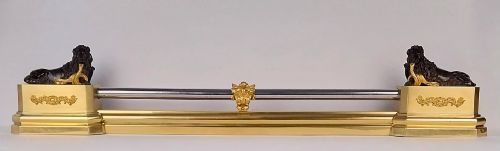
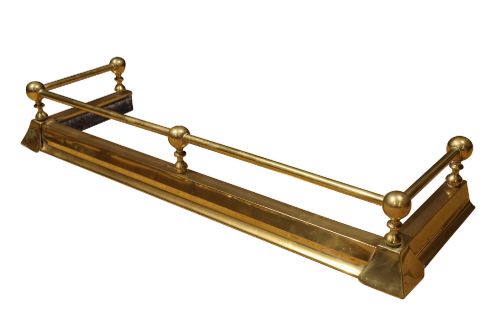
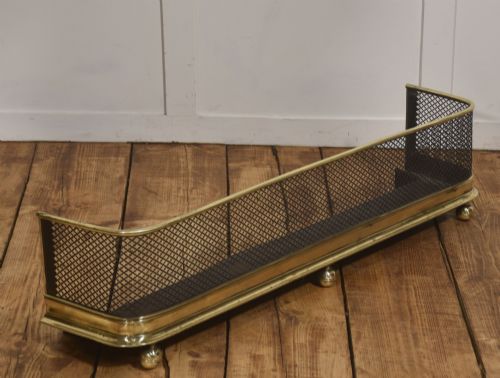
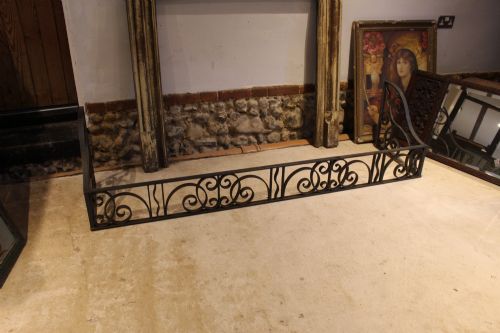
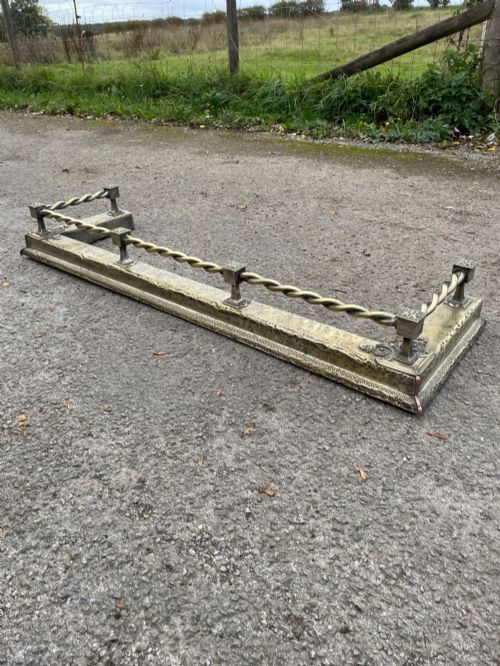
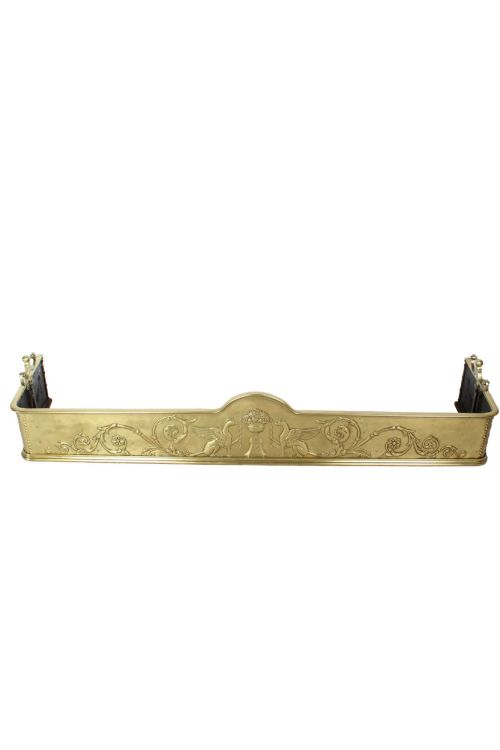
A hearth kerb guard, often catalogued as a fireplace fender, sits on the floor directly in front of an open fire to protect the room from rolling coals. These metal barriers range from low, straight rails to heavy, enclosing shapes designed to fit standard hearths.
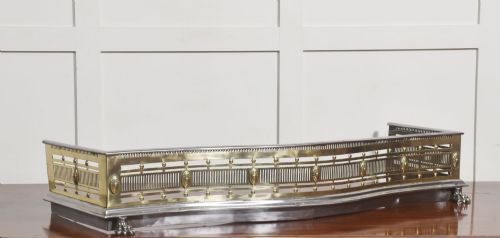
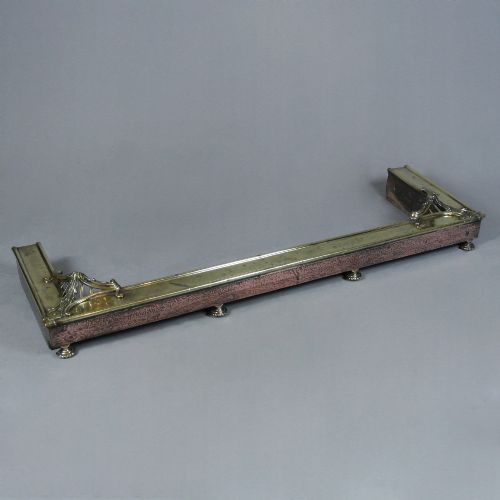
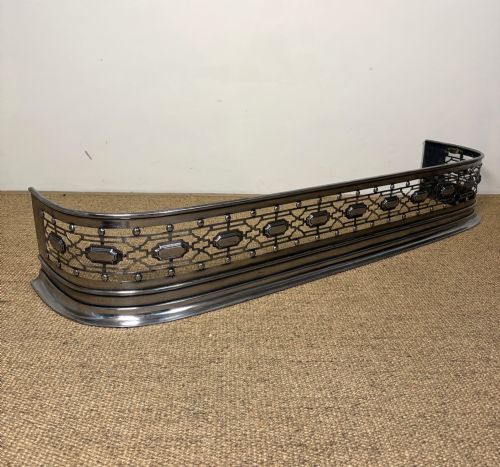
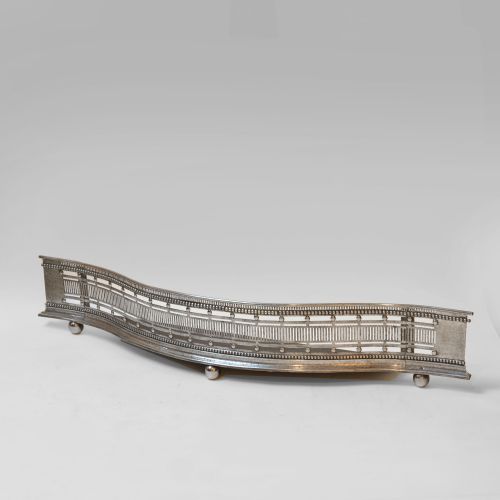
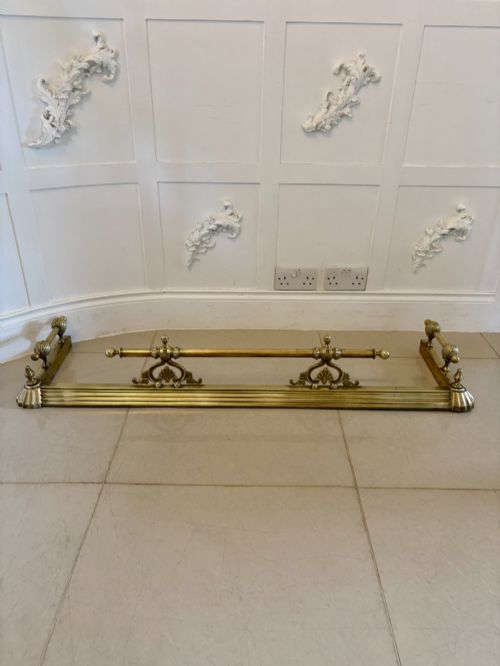
The pieces seen here span the nineteenth century and the early twentieth century, taking forms such as simple steel runners, serpentine fronts, and adjustable frames. Victorian and Georgian examples dominate the selection, alongside occasional Edwardian variations.
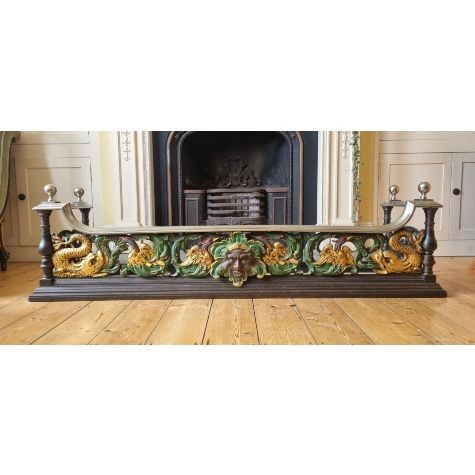
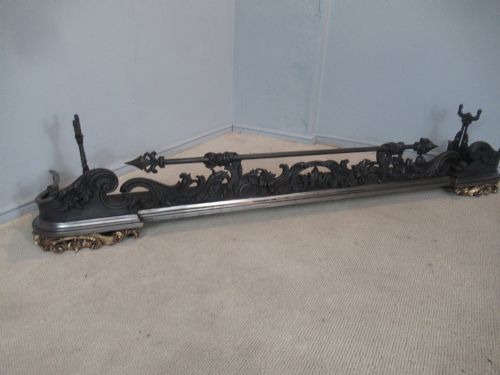
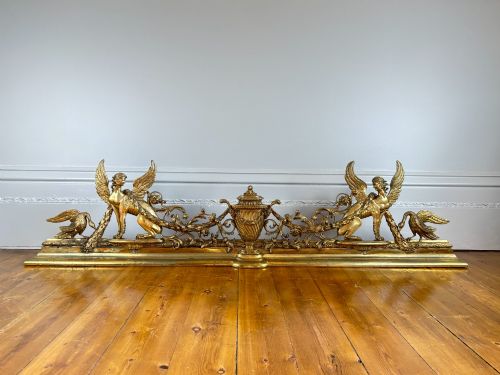
Makers produced these guards to match the dominant decorative movements of their day, leading to styles that include Regency classical lines, ornate French rococo, and linear Arts and Crafts designs.
Materials and construction
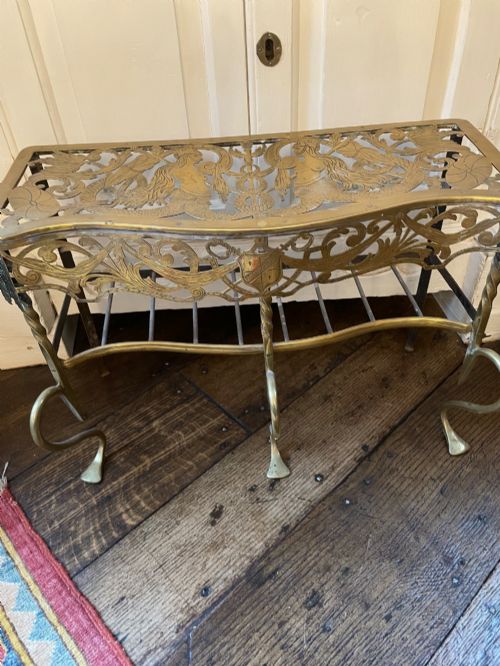
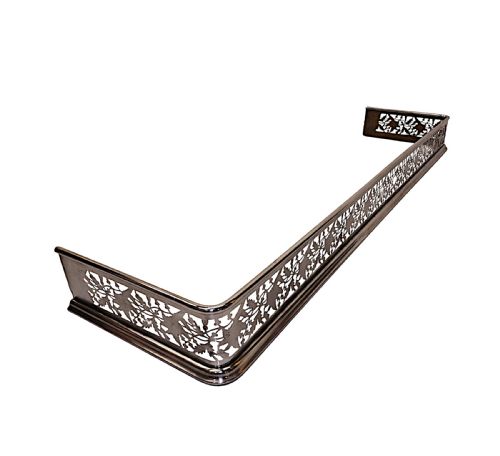
Blacksmiths and metalworkers built these frames primarily from brass, steel, iron, and copper, frequently combining polished steel rails with heavy cast brass ornaments. Pierced sheet metal, cut steel studs, and riveted joints give structural strength while allowing decorative patterns to emerge.
Finer examples incorporate applied details such as green enamel cabochons, flower patera, and beaded decoration soldered or pinned to the main body. Adjustable mechanisms on certain models allowed the frame width to alter to fit different hearth openings.
Hearth Kerb Guard Retail Price Guide 2026
Typical asking prices for hearth kerb guard among the pieces listed under this phrase on Sellingantiques today, from the lower quarter to the upper quarter. They describe what is for sale here now, not the wider market.
Some Victorian club fenders included hidden shoe-warming compartments, ensuring chilly guests had warm footwear before facing the winter weather.
Judging quality and character
Quality rests on the weight of the metal and the crispness of the casting or piercing work, where sharper apertures and heavier gauge brass separate superior examples from thin pressings. The presence of original matching fire irons or integral upholstered seats on club variants alters the integrity of the piece.
Surface finish dictates visual appeal, with burnished steel and patinated copper showing the natural effects of age rather than modern chemical treatments. Solid corner joints and properly functioning adjustable slide mechanisms indicate careful original manufacture.
E F Caldwell New York
The Hearth Kerb Guard Glossary
- Fire fender
- A low metal kerb placed around a hearth to prevent burning fuel from falling onto the carpet or floorboards. These items formed an essential part of nineteenth-century domestic safety.
- Club fender
- A low hearth guard featuring upholstered corner seats, popular in large reception rooms during the Victorian and Edwardian periods. They allowed people to sit close to the fire.
- Serpentine front
- A shaped metal rail curving outward in the centre and inward at the ends, following a wave-like contour. This silhouette required precise hand-shaping of steel or brass.
- Pierced brass
- Sheet brass perforated with repetitive geometric or floral patterns using punches and chisels. This technique lightened the visual weight of heavy metal guards.
- Patera
- A circular ornamental bas-relief carved or cast in the shape of a classical sacrificial dish or flower rosette. They appear frequently on Victorian and neoclassical frames.
Hearth Kerb Guard: Frequently Asked Questions
What is a hearth kerb guard?
A hearth kerb guard is a low metal barrier placed on the floor in front of an open fireplace to stop burning coals from rolling out onto the room's flooring. It serves a practical safety function while defining the perimeter of the hearth.
Most surviving examples consist of brass, steel, or iron, and they often incorporate decorative piercing, applied metal ornaments, or adjustable side sections.
How do I measure for a fender?
Measure the width of your hearth stone from side to side and the depth from the front of the fireplace opening to the outer edge of the hearth. Compare these dimensions against the length and depth of the fender to ensure it sits squarely on the stone without overhanging.
Keep in mind that some period fenders feature adjustable frames that slide to fit varying hearth widths.
How do I clean antique brass?
Dust the metal surface regularly with a soft, dry cloth to prevent soot accumulation. Avoid harsh chemical polishes that strip away the aged patina built up over generations.
Gentle wiping with mild soapy water, followed by immediate drying, is usually sufficient to maintain the metal without harming its finish.
Did these guards come with fire irons?
Certain high-quality nineteenth-century sets included matching fire irons such as pokers, tongs, and shovels designed to rest within the frame. These complete suites were produced for formal drawing rooms.
Most surviving guards, however, were made and used independently of the fire tools.