


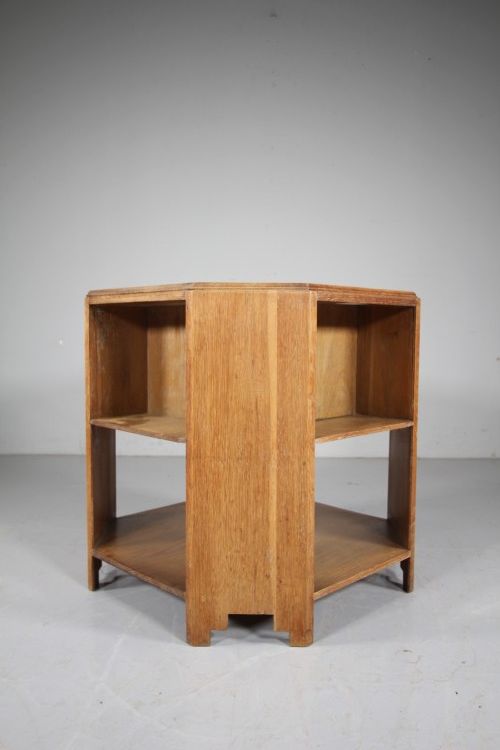


Heals of London Lighting
Heals of London lighting brings characteristic twentieth-century design into a room, offering the clean lines and honest construction collectors seek.
Heals of London Lighting
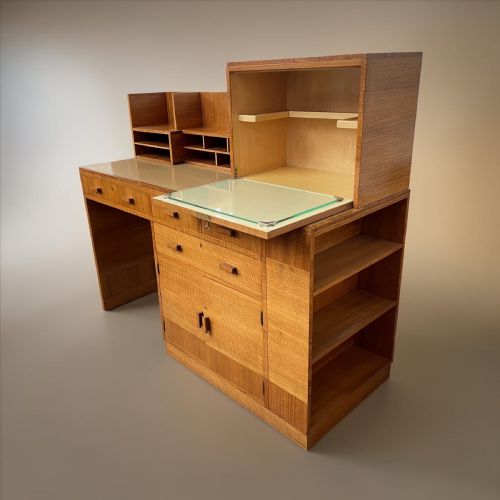
The aesthetic bridges the gap between traditional craftsmanship and modern simplicity, drawing on Arts and Crafts and Art Deco traditions. Pieces reflect a commitment to functional forms and quality materials rather than excessive ornamentation.
Materials and construction methods
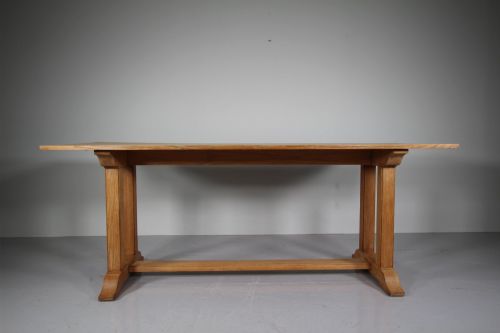
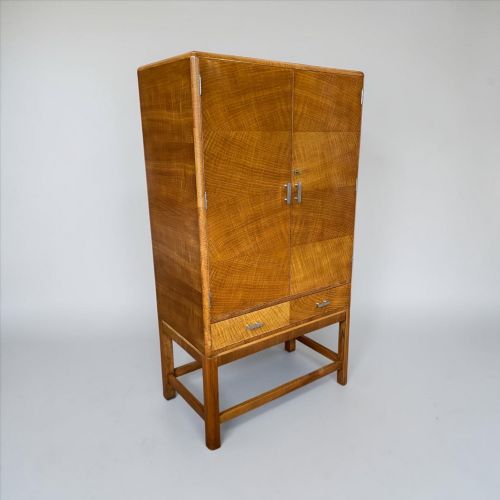
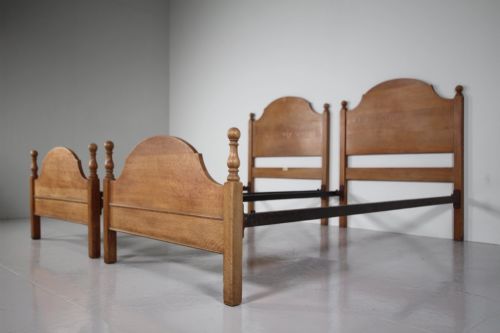
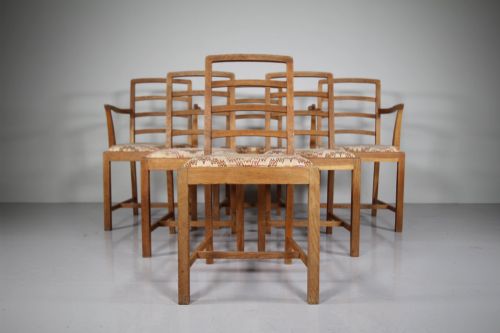
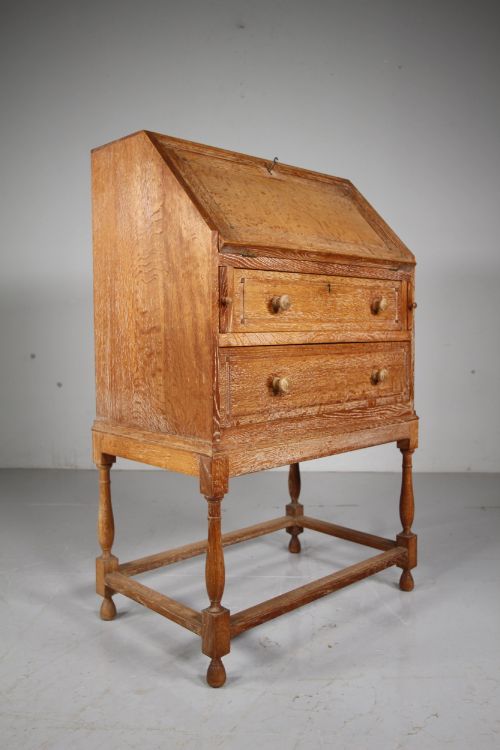
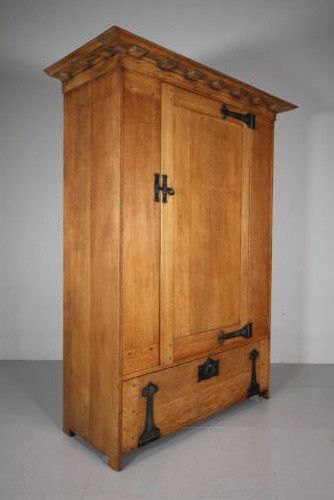
Construction relies heavily on solid oak, limed oak, and walnut, often paired with metal components in brass, steel, and iron. Timber selection prioritises natural grain and durability, forming sturdy carcasses and frames.
Surface treatments remain restrained, ranging from polished hardwoods to limed finishes that highlight the natural texture of the wood. Fabric elements appear primarily in supporting roles, such as upholstery on seating.
Heals of London Lighting Retail Price Guide 2026
Typical asking prices for heals of london lighting among the pieces listed under this phrase on Sellingantiques today, from the lower quarter to the upper quarter. They describe what is for sale here now, not the wider market.
Several items retain their original paper labels, offering a delightful paper trail straight from the twentieth-century showroom floor.
Distinguishing quality across the range
Quality variation depends on the crispness of execution in timber selection, joinery, and original maker marks such as stamps or paper labels. Pieces demonstrating distinctive period styles like Art Deco or Arts and Crafts retain stronger design integrity.
The degree of original preservation dictates overall standing, where untouched patination and documented provenance elevate a piece above standard utility items from the same decades.
The Heals of London Lighting Glossary
- Arts and Crafts
- A design movement advocating traditional craftsmanship and simple forms. It rejected mass production in favour of visible construction and honest materials.
- Art Deco
- A style characterised by sleek geometric shapes and stylised motifs. It emerged strongly in the nineteen twenties and thirties.
- Limed oak
- A wood finish achieved by applying a white pigment to oak to reveal the grain. This treatment was popularised in twentieth-century modern interiors.
- Refectory table
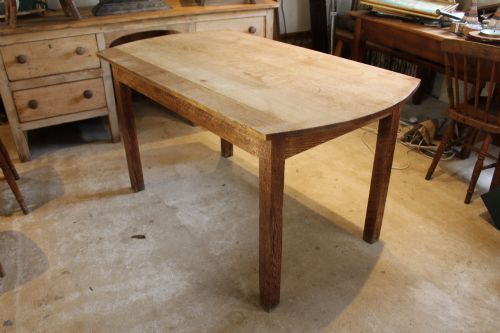
- A long dining table traditionally used in monastic refectories. Twentieth-century iterations adapt this sturdy form for domestic dining rooms.
- Bureau
- A desk featuring a sloping flap that covers a workspace and internal pigeonholes. These items combine writing utility with enclosed storage.
Heals of London Lighting: Frequently Asked Questions
How do I identify genuine pieces?
Genuine examples often bear maker stamps, branded marks, or paper labels identifying the retailer. Construction methods and period materials provide further confirmation.
Compare timber choices and stylistic details against documented examples from the early decades of the twentieth century.
What woods were commonly used?
Makers relied heavily on domestic and imported hardwoods, particularly oak and walnut. Limed oak finishes also appeared frequently during the interwar period.
These timbers provided the structural strength and grain patterns suited to simple, unadorned forms.
Are these items suitable for daily use?
Solid construction and durable hardwoods make these furnishings robust enough for everyday modern living. Proper care ensures they withstand regular household routines.
Maintenance involves basic timber upkeep and protecting surfaces from excessive moisture or heat.
How do Arts and Crafts and Art Deco differ?
Arts and Crafts focuses on visible joinery, natural timber finishes, and medieval-inspired simplicity. Art Deco embraces streamlined geometry, polished surfaces, and modern industrial materials.
Both movements influenced twentieth-century domestic interiors but adopted distinct visual languages.