
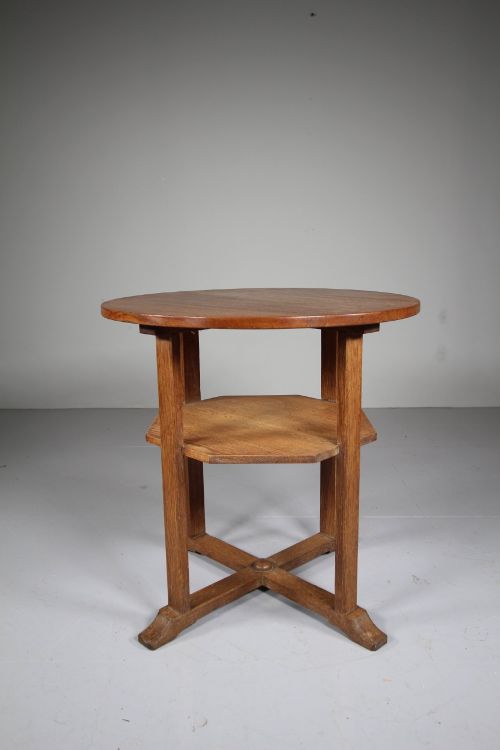
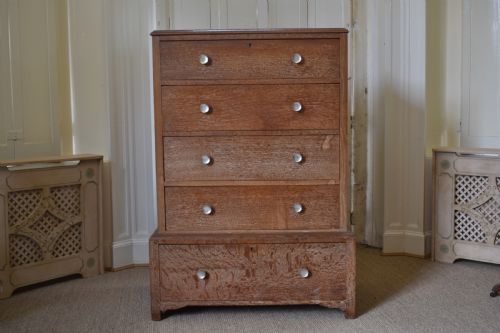
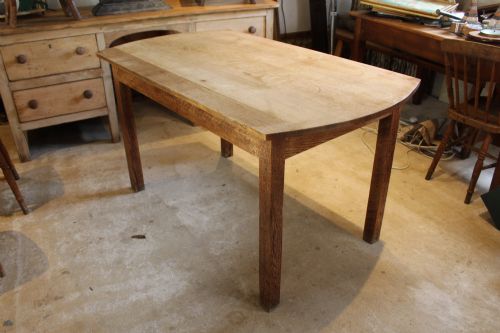
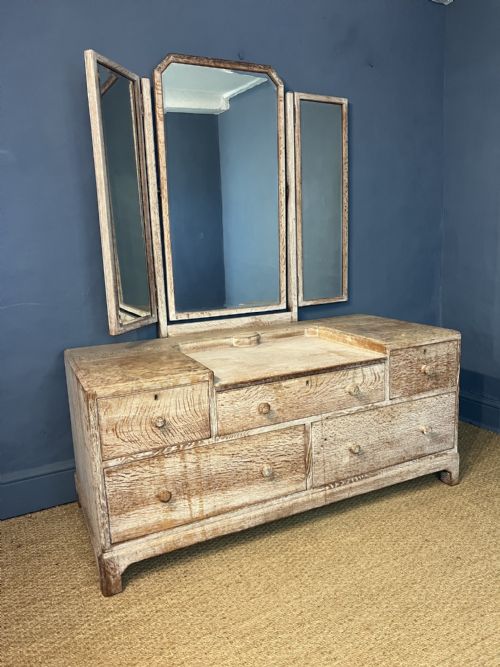
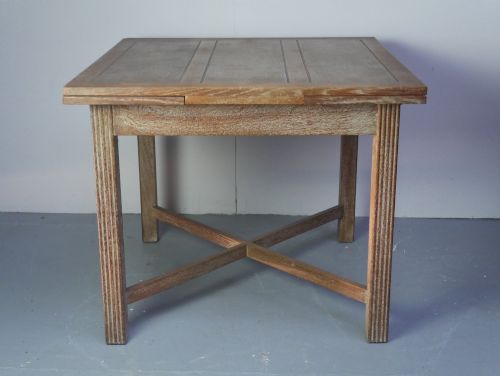
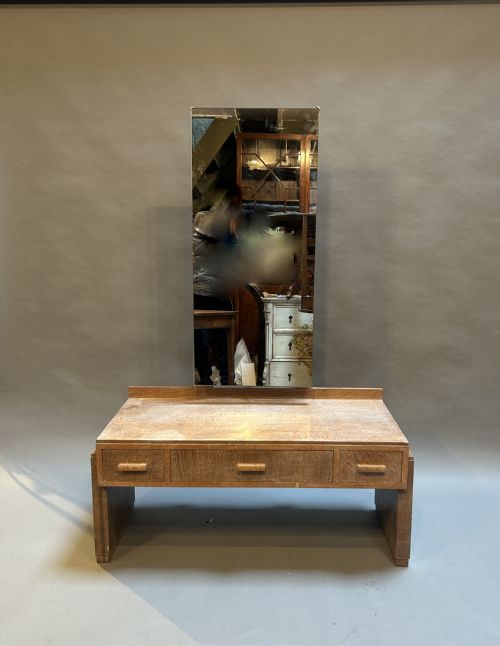


Heals Limed Oak
Heals limed oak furniture offers clean lines and a pale, pickled finish that defines modernist taste.
Heals Limed Oak
When you search for heals limed oak, you encounter domestic furniture designed for twentieth-century living, spanning bedroom suites, dining tables, and compact storage. The pieces range from Edwardian Arts and Crafts origins through to Art Deco designs of the nineteen-thirties.
You are most likely to meet wardrobes, dressing tables, and chests of drawers produced during the nineteen-twenties and nineteen-thirties. These forms show a deliberate shift away from dark Victorian timber towards lighter domestic interiors.
How heals limed oak pieces were made
The furniture relies upon solid oak and oak veneers treated with a liming process to create a pale, white-grained surface finish. Workshops combined traditional joinery methods with metal hardware and occasional glass inserts.
Construction prioritises architectural simplicity and visible grain patterns rather than heavy carving or applied ornamentation. The limed technique settles into the open pores of the timber, highlighting the natural texture of the oak.
Children received their own miniature single beds in limed oak, proving that early modernist taste started early.
What varies in quality
Quality separates through the integrity of the limed finish and the crispness of the architectural proportions. Pieces retaining their original surface treatment and matching drawer construction command greater respect from collectors.
Attribution also plays a part, distinguishing documented workshop production from pieces made in the wider Cotswold school manner or general contemporary style.
Heal and Son·Trevor Page Norwich
The Heals Limed Oak Glossary
- Limed oak
- A timber treatment where a white pigment or lime is rubbed into the open grain of oak to create a pale, frosted appearance. This finish became synonymous with modern interior design during the early twentieth century.
- Arts and Crafts
- A design movement valuing handcraftsmanship, simple forms, and honest materials. It heavily influenced early twentieth-century cabinet making.
- Art Deco
- A style emerging in the nineteen-twenties characterised by streamlined geometric shapes and modern materials. It replaced heavy historicism with clean decorative logic.
- Compactum
- A multi-functional wardrobe containing various internal compartments, drawers, and hanging space. This form maximised storage efficiency in smaller inter-war bedrooms.
- Cotswold school
- A regional design tradition focusing on solid wood construction and vernacular craftsmanship. Pieces from this tradition often share aesthetic ties with London workshop production.
Heals Limed Oak: Frequently Asked Questions
What is heals limed oak?
Heals limed oak refers to domestic furniture finished with a distinctive pale pickling technique developed to lighten the natural timber grain.
These pieces emerged primarily during the early decades of the twentieth century to satisfy changing tastes in interior design.
How do I date heals limed oak?
Dating relies upon stylistic markers such as Edwardian Arts and Crafts vernacular or later Art Deco geometric austerity.
Construction details and period cataloguing further help place pieces between the nineteen-hundreds and nineteen-thirty.
Where were these pieces used?
The furniture was made for contemporary urban homes, country houses, and flats requiring functional modern storage.
Bedrooms, dining rooms, and libraries received these lighter oak forms to create an airy domestic atmosphere.
How do I care for limed oak?
Maintenance requires dry dusting and avoiding harsh modern chemical polishes that can lift the white pigment from the grain.
Keeping the timber away from direct heat sources prevents the solid oak from drying out or splitting.