
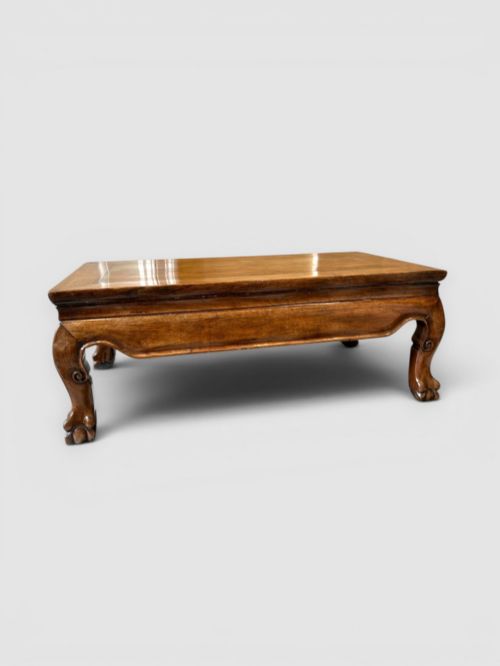
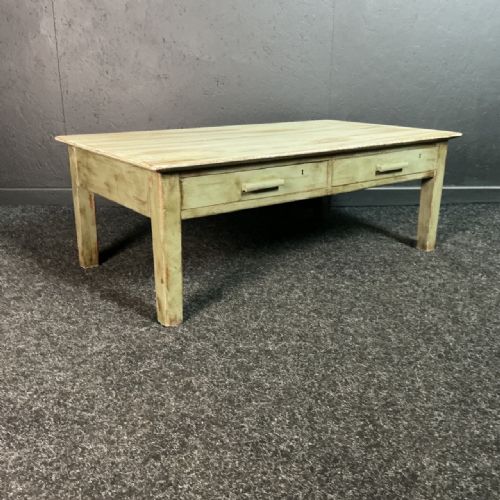


Hardwood Low Tea Table
A hardwood low tea table brings grounded proportion and dense timber grain into a modern sitting room.
Hardwood Low Tea Table
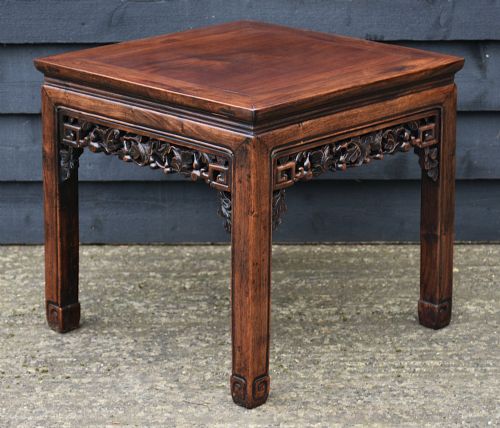
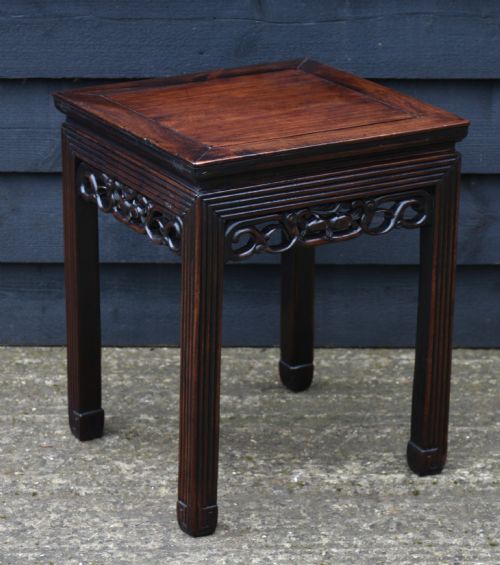
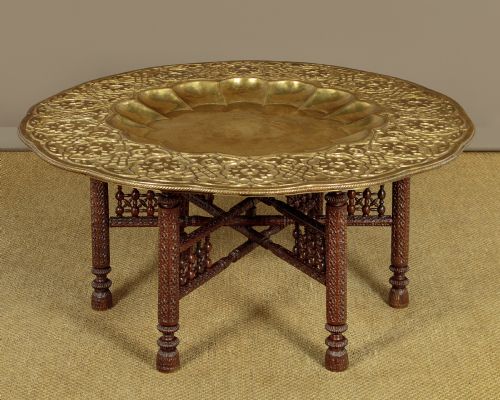
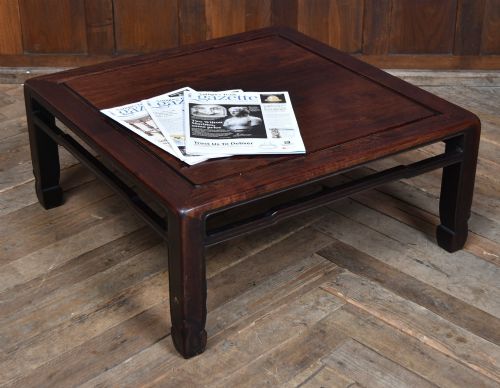
A hardwood low tea table is typically encountered as a nineteenth-century Chinese kang or opium table, alongside related Indian and Anglo-Indian low forms. These low tables serve well as coffee tables in contemporary interiors due to their modest height and stable proportions.
The material selection ranges from generic oriental hardwood to specific timbers such as rosewood, padouk, elm, teak, and huanghuali. Forms vary from square and rectangular shapes to circular designs and scroll-end configurations.
Many examples originate from the Qing Dynasty and traditional Chinese workshops, while others reflect Anglo-Indian or broader Asian influences from the nineteenth and early twentieth centuries.
How they were made
Construction relies heavily on dense timbers like rosewood, padouk, elm, and teak, which provide structural stability for low-profile furniture. Artisans frequently utilised traditional joinery alongside carved detailing, scroll ends, and occasionally brass or bone inlays.
Surfaces often display a natural polished patina developed over decades of use, though some examples feature painted finishes or ebonised treatments. The integration of durable hardwoods ensures the survival of intricate scrollwork and low frames through successive centuries.
Several pieces preserve the specific designation of opium tables, linking domestic furniture directly to nineteenth-century social rituals.
What varies in quality
The choice of timber creates a distinct division in quality, moving from standard mixed oriental hardwoods to prized materials such as huanghuali, padouk, and figured rosewood. Superior examples exhibit a rich, deep patina and dense grain structure that reward close inspection.
Carcass construction and the crispness of carved scroll ends or recessed panel work distinguish finer workshop output from simpler utilitarian pieces. The balance of proportion and the integrity of the original joints further separate standard production from exceptional survivals.
The Hardwood Low Tea Table Glossary
- Kang table
- A low platform table traditionally used in northern China on a heated brick bed for dining or drinking tea. These low forms now function effectively as coffee tables.
- Padouk
- A heavy, durable tropical hardwood prized for its reddish-brown colour and stability in traditional furniture construction. It takes a fine polish and resists wear.
- Patina
- The surface sheen and mellowing developed by timber over long periods of handling and exposure to light. A good patina indicates age and gentle maintenance.
- Scroll-end
- A decorative terminal feature where the timber curves outward in a volute or scroll shape, commonly found on traditional Chinese table designs.
Hardwood Low Tea Table: Frequently Asked Questions
What is a hardwood low tea table used for today?
These low tables serve primarily as coffee tables in contemporary sitting rooms, positioning surface space at a lower elevation before low seating.
Their compact height and sturdy timber construction also make them suitable for display surfaces in hallways or studies.
How do I identify a Qing Dynasty kang table?
Look for traditional construction details such as recessed legs, scroll ends, and dense hardwoods like rosewood or padouk.
These pieces typically date from the nineteenth or early twentieth centuries and reflect classical Chinese domestic forms.
Are these tables made from solid timber?
Most examples utilise substantial hardwood framing and panels, providing significant weight and structural durability.
Timbers such as elm, teak, and rosewood form the primary body of these traditional low tables.
Where were these low tables originally made?
The majority originate from Chinese workshops, while others emerge from Indian, Anglo-Indian, and broader Asian production centres.
Nineteenth-century trade and regional styles heavily influenced the dispersal of these forms.