
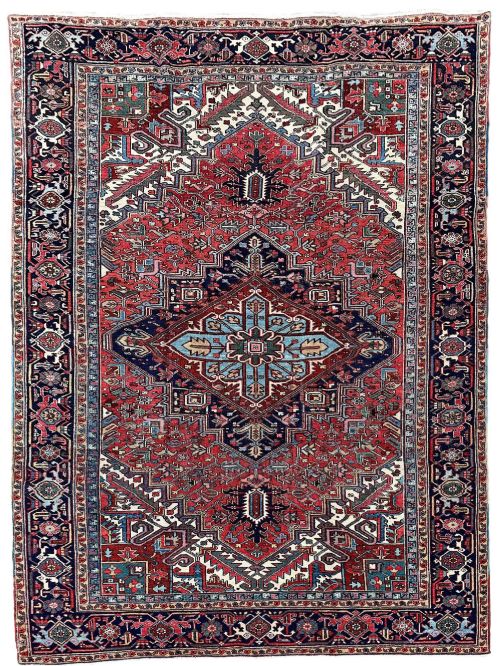
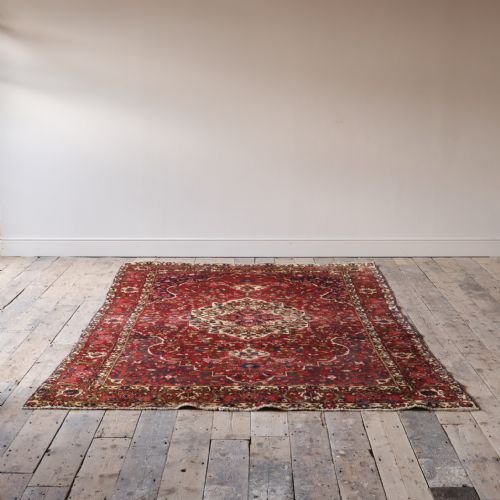
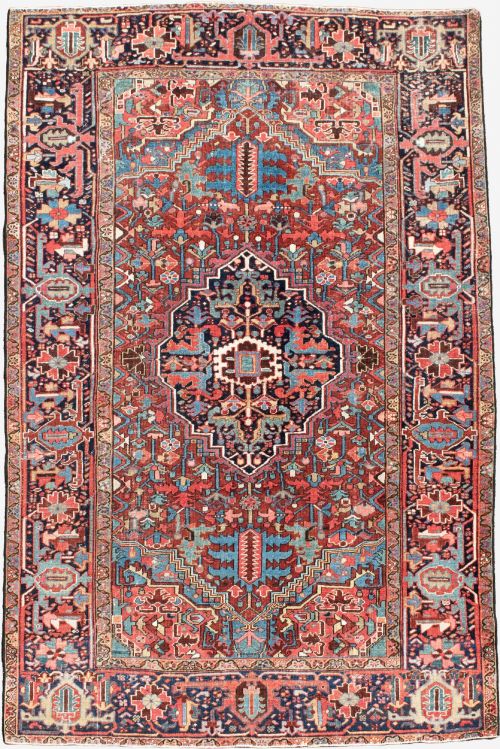


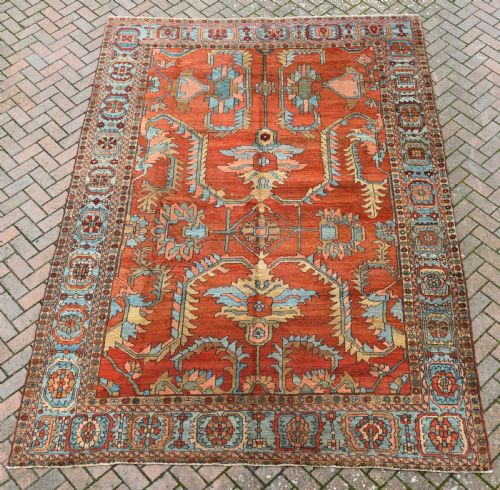
Handwoven Wool Room Rug
A handwoven wool room rug brings enduring texture and pattern to a floor, offering genuine traditional craft for living spaces.
Handwoven Wool Room Rug
A handwoven wool room rug encompasses large area carpets and room-size floor coverings produced in traditional weaving regions, predominantly spanning Persian and Indian origins. These pieces range from substantial nineteenth-century room carpets to mid-century tribal and village weaves, capturing classic regional patterns and formats.
How they were made
These floor coverings utilise natural wool for the pile and foundation yarns, frequently paired with cotton for structural warps and wefts. The combination of durable wool pile and cotton or wool foundations provides the dense, hard-wearing quality necessary for large room-size carpets.
Weavers constructed these pieces by hand knotting or flatweaving the wool fibres onto vertical or horizontal looms, applying traditional regional designs passed through generations. This manual construction method results in robust textiles capable of withstanding decades of foot traffic.
The listings show production dates spanning from the 1870s through the 1940s, executed primarily in wool and cotton across Persian and Indian weaving centres.
What varies in quality
Knot density and structural tightness set different examples apart, influencing how crisply the geometric or floral patterns render across the surface. Tighter weaving yields a firmer handle and greater resilience underfoot.
The quality of the wool and the depth of the pile also differ between pieces, affecting the tactile feel and the way natural dyes age over time. Heavier room carpets demand superior fibre strength to sustain their structural integrity.
The Handwoven Wool Room Rug Glossary
- Pile
- The upright yarn loops that form the soft surface of a rug. This layer bears the direct weight of foot traffic.
- Warp
- The vertical foundation threads stretched lengthwise on the loom. Weavers knot the pile yarns around these structural strands.
- Weft
- The horizontal threads passed alternately over and under warp threads to lock knots in place. This provides lateral stability to the textile.
- Kilim
- A flatwoven carpet or rug produced without a pile. These pieces rely entirely on interlocking weft threads to create geometric patterns.
- Room size
- A large floor covering proportioned to anchor a standard living space. These substantial formats typically exceed three metres in length.
Handwoven Wool Room Rug: Frequently Asked Questions
How do I clean a wool rug?
Regular gentle vacuuming without a rotating brush roll removes loose dust and grit from the wool pile. Professional specialist cleaning is recommended for deep maintenance to protect natural fibres.
Avoid saturation and harsh chemical treatments which can damage the wool and alter traditional dyes. Prompt blotting of spills prevents staining.
Are these rugs durable enough for daily use?
These traditional floor coverings are built for heavy domestic wear using robust wool and cotton materials. Many survive from the nineteenth and early twentieth centuries because of their sturdy manual construction.
Placing a suitable underlay beneath the carpet prevents slipping and reduces friction against hard floors. This simple addition extends the working life of the textile.
What is the difference between a rug and a carpet?
Terminology often overlaps, but carpets generally denote larger room-size floor coverings while rugs can refer to smaller formats. Both describe textiles produced by hand on traditional looms.
In marketplace listings, room-size pieces provide sufficient coverage to anchor entire furniture arrangements. Smaller examples suit targeted areas within a room.