
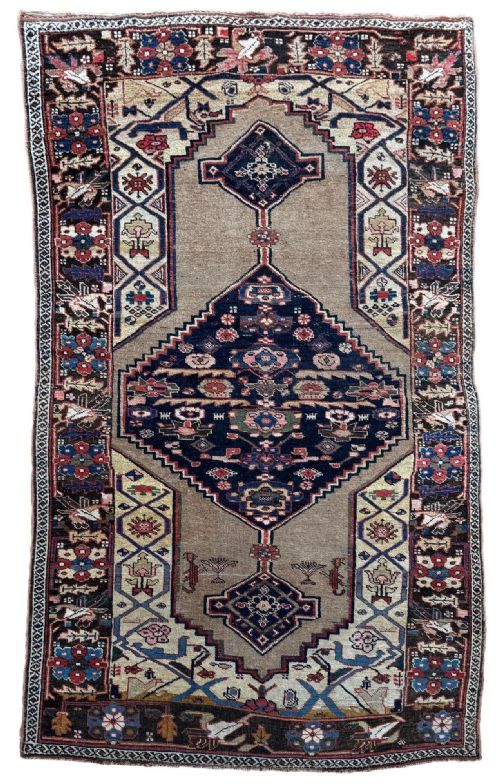
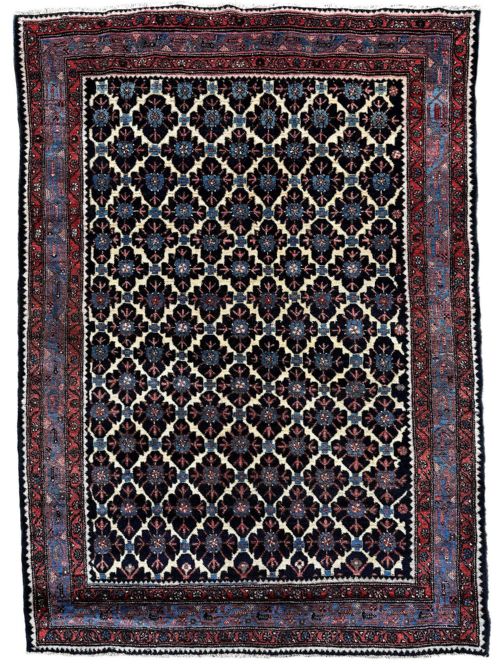


Handwoven Wool Accent Carpet
A handwoven wool accent carpet brings rich texture and enduring warmth to a room, offering authentic tribal and village craftsmanship for your floor.
Handwoven Wool Accent Carpet
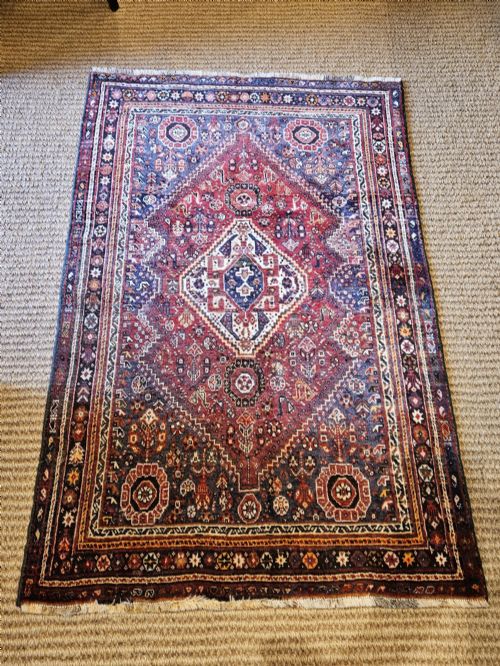
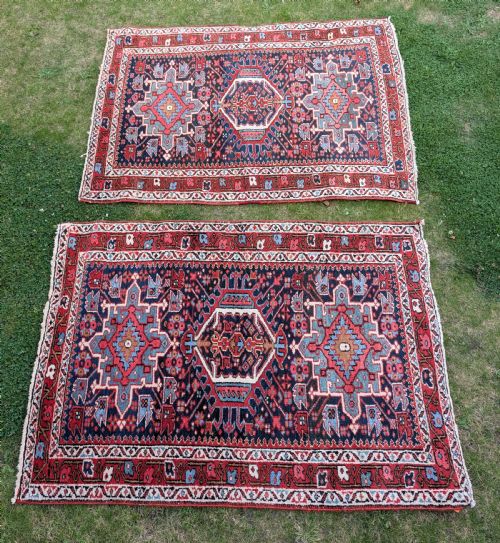
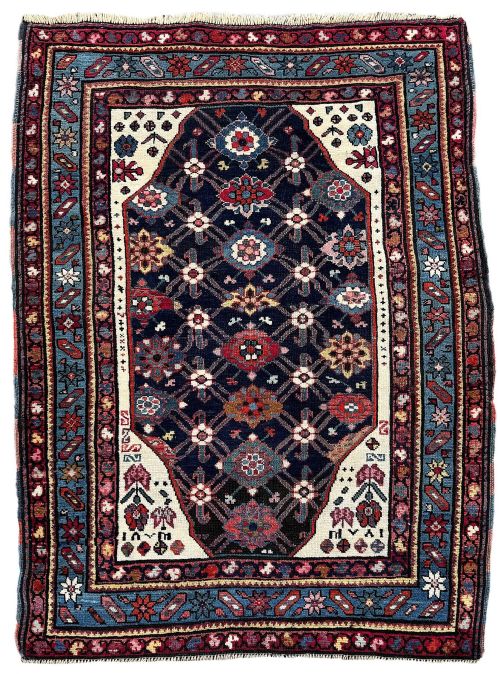
When you search for a handwoven wool accent carpet, you encounter traditional woven floor coverings and small rugs originating from Persian, Anatolian, Caucasian, and Central Asian regions. These pieces span from the late nineteenth century through to the early decades of the twentieth century, reflecting distinct regional weaving traditions.
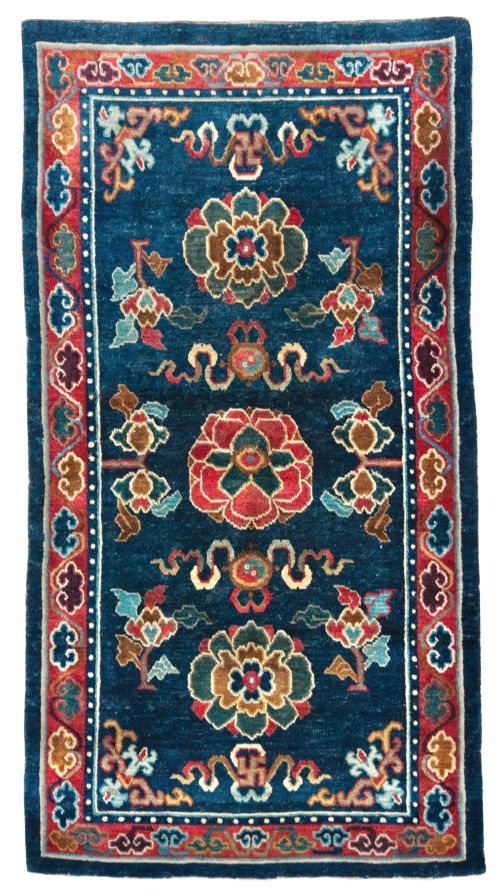
You are most likely to meet village and tribal formats on this page, including scatter rugs, prayer rugs, and occasional carpet cushions. The selection includes recognizable village types such as Karaja, Hamadan, and Baluch pieces alongside Tibetan and Turkish examples.
How they were made
These textiles rely on hand-spun wool foundations and pile, frequently combined with cotton for structural integrity and camel hair in specific tribal contexts. Weavers knotted or flatwove the materials by hand on upright looms.
Natural dyes provide the foundational colour palette for these carpets, interacting with the wool fibres to create deep, varied hues that mature with age. The construction techniques reflect regional customs passed down through generations of village and nomadic makers.
Among the woven menagerie on offer, one particular nineteenth-century village rug hides a pride of lions within its woollen field.
What varies in quality
Knot density and structural tightness set the finer examples apart from coarser village production, dictating how sharply the motifs resolve across the field. Materials also play a role, as lustrous wool and rich natural dye saturation elevate the depth of the pile.
The integrity of the original borders and the preservation of the selvedges influence the overall standing of a piece. Intentional design execution and balanced proportions distinguish superior tribal examples from standard utilitarian weaving.
The Handwoven Wool Accent Carpet Glossary
- Prayer rug
- A small carpet featuring a mihrab or niche design, traditionally used for individual daily prayer. These formats often display specific regional iconography associated with Anatolian or Caucasian workshops.
- Kilim
- A flatwoven textile produced without a pile by tightly interweaving warp and weft threads. Bessarabian examples demonstrate distinct floral interpretations within this category.
- Khaden
- A Tibetan sleeping or sitting rug, traditionally used on raised platforms or wooden beds. These pieces utilise distinctive regional formats and motifs.
- Selvedge
- The side cords or finished edges of a carpet that prevent the weave from unravelling. Secure original selvedges indicate careful preservation.
- Warp
- The vertical foundation threads stretched lengthwise on the loom before knotting begins. The wool or cotton warp carries the structural tension of the carpet.
Handwoven Wool Accent Carpet: Frequently Asked Questions
How do I care for an antique wool rug?
Vacuum the carpet gently using suction only, avoiding any rotating brush bars that can pull at the wool pile. Professional cleaning should be undertaken periodically by specialists familiar with natural dyes and handwoven textiles.
Keep the rug out of direct, continuous sunlight to prevent fading of the natural colours. Rotate the piece every year to ensure even wear across high-traffic areas.
Where were these carpets made?
The pieces originate primarily from Persia, Anatolia, the Caucasus, and Central Asia, created by various village communities and nomadic tribes. Specific regions such as Heriz, Karaja, and Shirvan developed distinct local styles.
Nomadic groups and sedentary village weavers utilised locally sourced materials to produce rugs suited to their environment. Each geographical area imparted unique structural traits and colour palettes to its weaving.
What is the difference between a village rug and a tribal rug?
Village rugs are typically produced by sedentary communities in fixed workshops or houses, often featuring structured geometric or floral layouts. These pieces reflect established regional weaving traditions and market demands.
Tribal rugs originate from nomadic or semi-nomadic groups whose designs rely heavily on memory, tribal symbolism, and spontaneous adaptation. Their patterns tend to be more abstract and geometric than those found in settled village production.
How can I tell the age of a wool rug?
Age is determined by examining the materials, dye types, structural wear, and stylistic indicators inherent to the weave. Nineteenth-century examples often display subtle colour variations known as abrash resulting from small dye batch changes.
Hand-spun wool characteristics and natural dye signatures help distinguish older pieces from twentieth-century reproductions. Structural clues, such as the type of foundation yarns utilised, also point toward specific historical periods.
Can these rugs be used in hallways?
Smaller formats function well in hallways or entryways provided they experience light to moderate foot traffic. Placing a quality underlay beneath the carpet prevents slipping and reduces friction against the floor.
Consider the pile depth and structural integrity of the individual piece before placing it in a heavy-traffic corridor. Selecting a sturdy village weave ensures the textile withstands daily passage while retaining its character.