



Handwoven Wall Tapestry
These handwoven wall tapestry examples bring textile history straight to your wall, ranging from tribal panels to European verdure scenes.
Handwoven Wall Tapestry
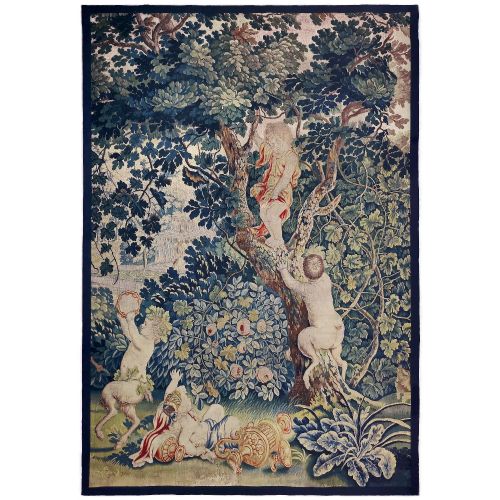
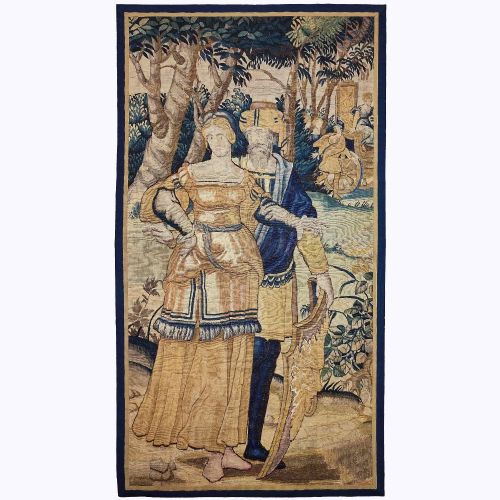
When searching for a handwoven wall tapestry, you encounter a diverse selection of antique textiles originating from European workshops and tribal communities alike. The pieces span centuries of textile traditions, covering Flemish Renaissance panels, Aubusson verdure designs, and Eastern European folk art.
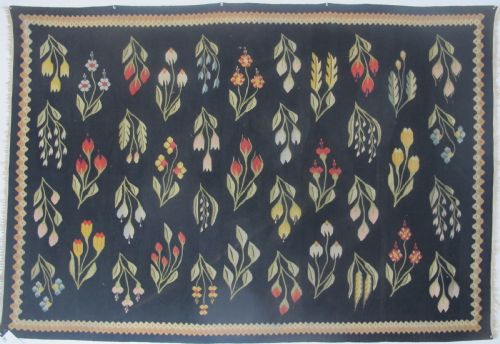
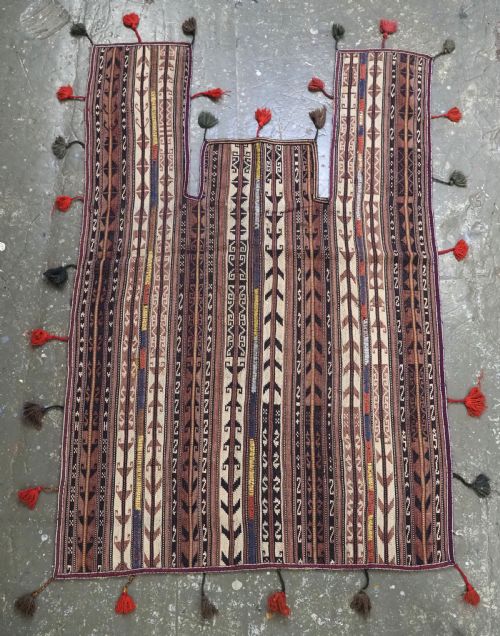
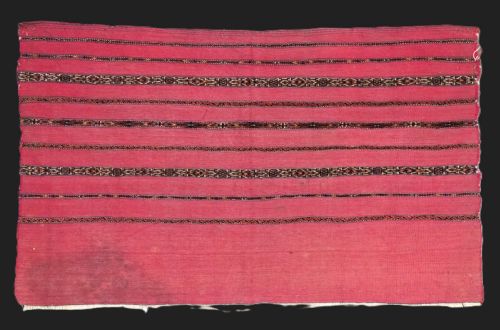
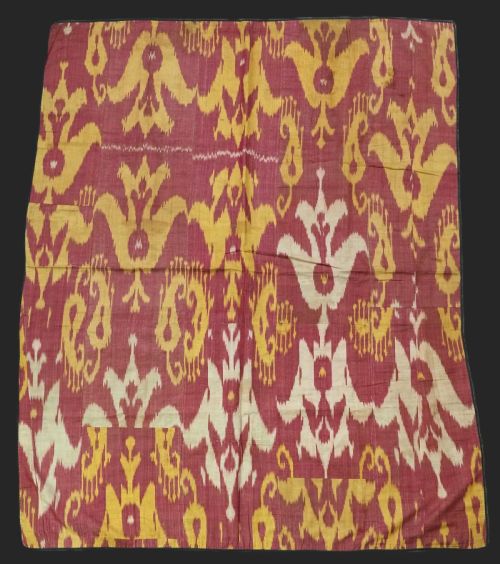
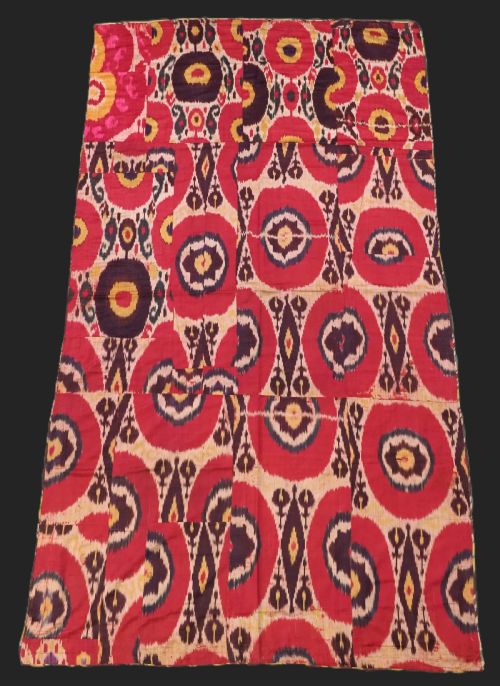
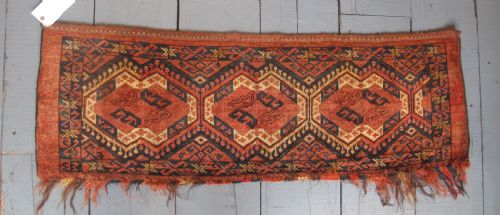
You are most likely to meet Central Asian ikat panels, Turkmen tribal bagfaces, and Romanian floral hangings on this page. These textiles served various original functions, from tent bands and horse blankets to storage bags, before finding a new purpose as decorative wall hangings.
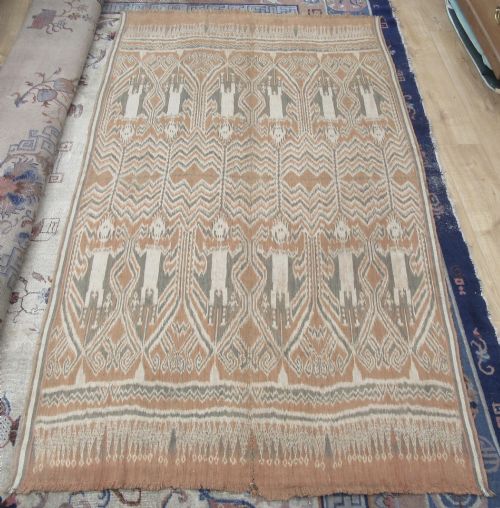
The selection includes specific regional items such as Uzbek suzanis, Scandinavian rya rugs, Sumba ikat hinggi, and Afghan sofreh eating cloths. Each format demonstrates distinct cultural motifs and weaving methods rooted in its specific place of origin.
How they were made
Weavers constructed these textiles using wool, silk, cotton, and linen, often combining materials within a single piece such as semi silk adras fabrics. Artisans frequently utilised hand-spun wool and handspun cotton to build the foundational structure of the fabric.
Colour came from natural dyes that produced rich, enduring tones across tribal designs and European verdure scenes alike. Skilled makers employed flatweave techniques, intricate embroidery, ikat resist-dyeing, and pile weaving to create the dense patterns seen on these wall hangings.
Handwoven Wall Tapestry Retail Price Guide 2026
Typical asking prices for handwoven wall tapestry among the pieces listed under this phrase on Sellingantiques today, from the lower quarter to the upper quarter. They describe what is for sale here now, not the wider market.
Listings feature textiles spanning from the sixteenth century through the early twentieth century, incorporating wool, silk, cotton, and natural dyes.
What varies in quality
Quality in these textiles rests upon the precision of the weave and the complexity of the design execution. Dense structures and fine weaves, such as those found on select Turkmen chuval faces, signal superior technical skill from the maker.
The sophistication of the palette and the clarity of natural dyes distinguish finer examples from standard work. Richly detailed pictorial elements in European panels or sharply defined motifs in Central Asian ikat panels indicate higher levels of artisan craftsmanship.
The Handwoven Wall Tapestry Glossary
- Ikat
- A dyeing technique where bundles of threads receive dye Sebelum weaving to form intricate patterns. This method creates the characteristic hazy outlines seen on Uzbek fabric panels.
- Suzani
- A type of embroidered tribal textile originating from Central Asia, typically featuring bold floral designs on a red ground. Women traditionally stitched these panels as part of a bride's dowry.
- Verdure
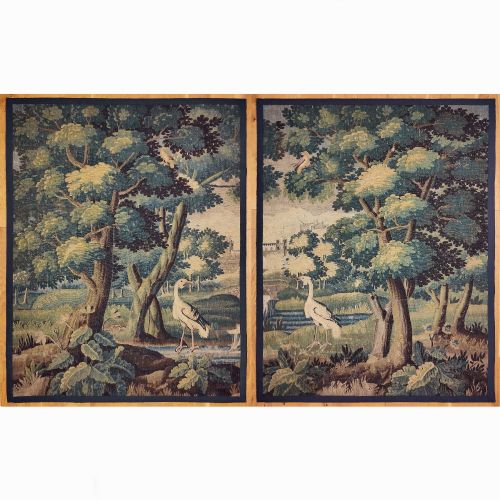
- A style of European tapestry featuring lush green foliage, trees, and often animals or distant landscapes. These scenes were especially popular in Flemish and Aubusson workshops.
- Sofreh
- A woven or embroidered cloth used traditionally for spreading meals or handling bread in Persian and Afghan nomadic households. They often display striking geometric compositions.
- Rya
- A traditional Scandinavian knotted pile rug featuring a long, plush pile. Early twentieth-century examples served warmth in Nordic homes before transitioning to decorative wall displays.
- Mafrash
- A tribal storage bag or box face produced by Turkmen and other nomadic groups. These sturdy items utilise flatweave or pile techniques to form bold banded designs.
Handwoven Wall Tapestry: Frequently Asked Questions
What is a handwoven wall tapestry?
A handwoven wall tapestry is an antique textile, ranging from European verdure panels to Central Asian ikat hangings, adapted for display on walls.
These pieces encompass diverse cultural traditions, including tribal weavings from Turkmen and Uzbek makers alongside traditional European workshop productions.
How were these antique textiles used originally?
Many items served practical domestic or nomadic purposes before becoming wall decorations. Objects included horse blankets, eating cloths, storage bagfaces, tent bands, and dowry embroideries.
Over time, collectors repurposed these functional tribal and European textiles to appreciate their artistic merit and historical craftsmanship inside the home.
How do I live with a textile?
Display these textiles out of direct sunlight to protect natural dyes from fading over time. Supporting the weight evenly across a custom hanging sleeve or mounting board preserves the structural integrity of the fabric.
Allowing the textile to breathe in a stable indoor climate prevents moisture accumulation within delicate wool, silk, and cotton fibres.
How do I tell periods apart?
Distinguishing periods relies on identifying stylistic markers, weaving structures, and material shifts characteristic of specific eras. Sixteenth and seventeenth-century European panels display distinct verdure or Renaissance pictorial conventions.
Nineteenth and early twentieth-century pieces often showcase regional tribal geometries, natural dye palettes, and specific techniques like ikat dyeing or suzani embroidery.