



Handwoven Wall Hanging
When you search for a handwoven wall hanging, you are looking at textile art and tribal bags created across Central Asia, Persia, and Europe.
Handwoven Wall Hanging
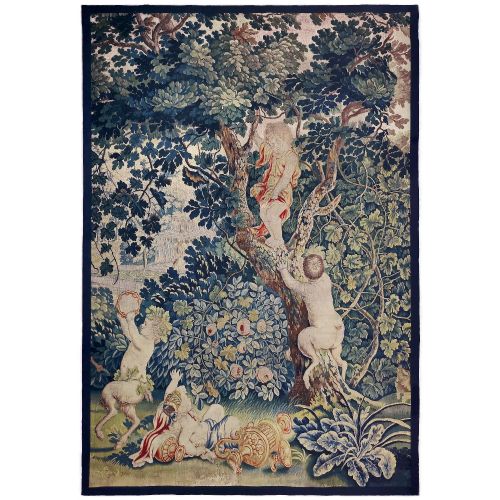
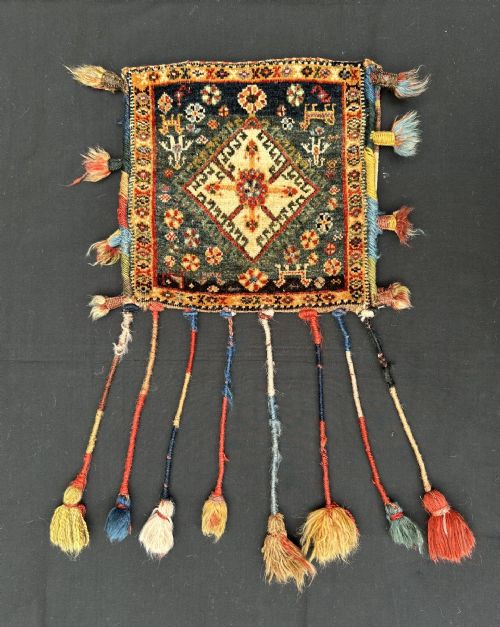
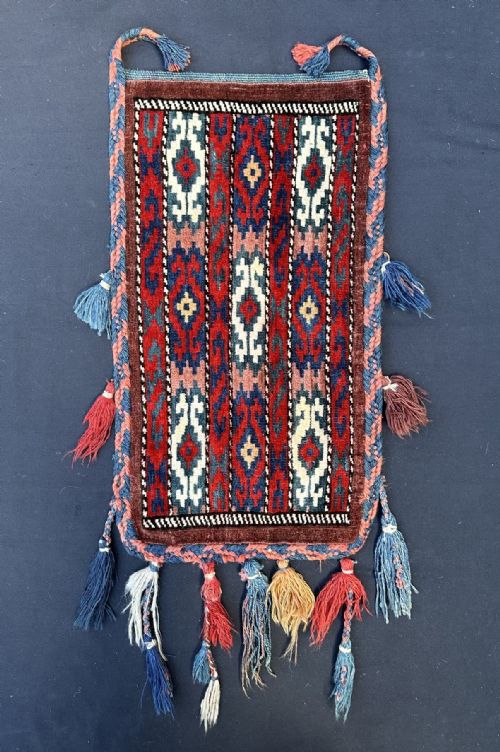
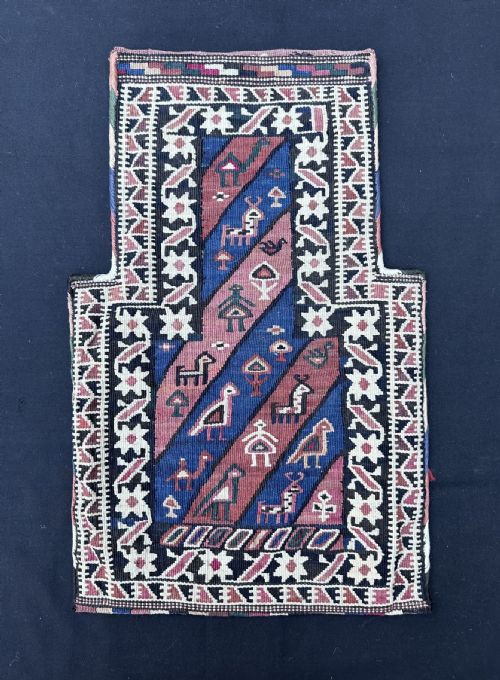
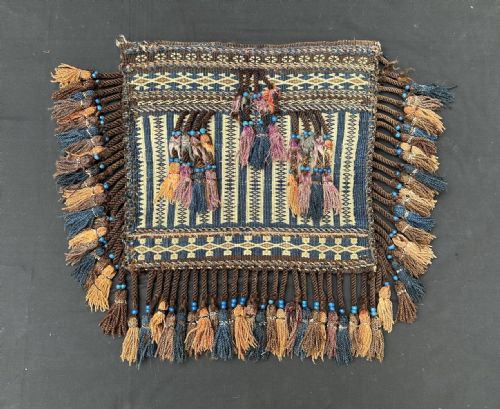
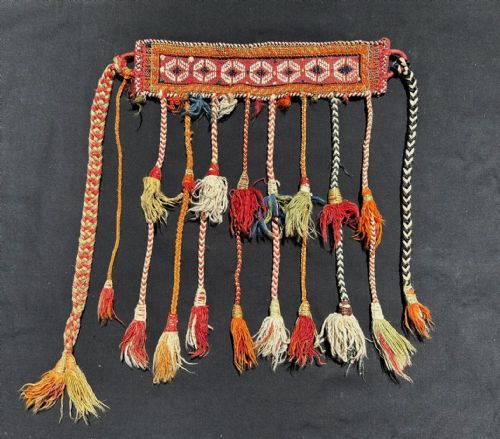
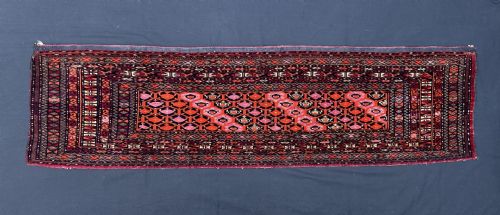
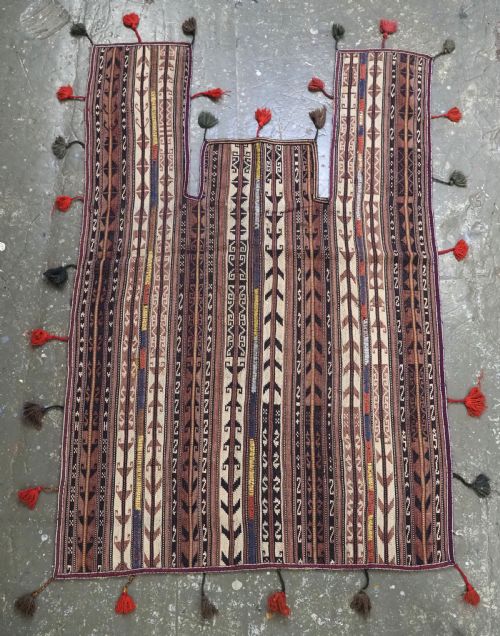
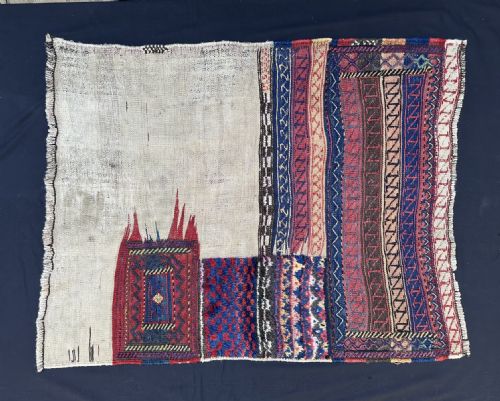
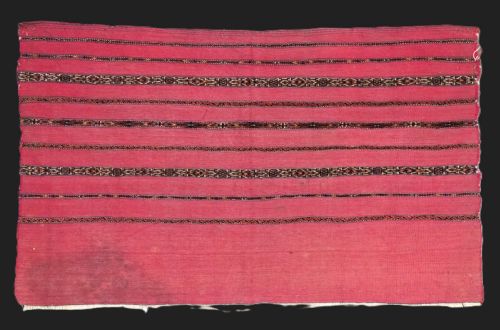
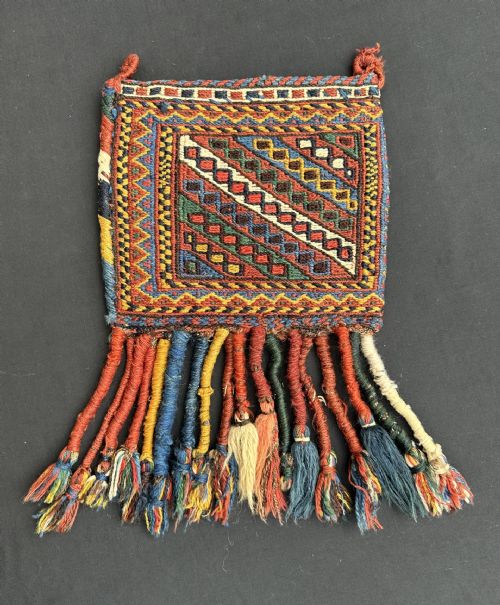
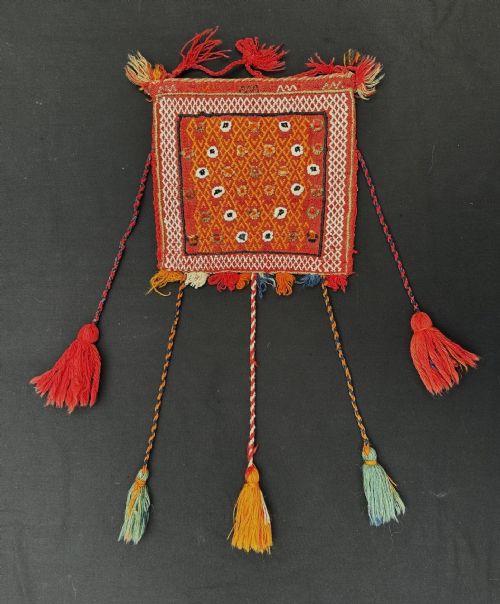
A handwoven wall hanging brings centuries of tribal and folk tradition into an interior space through woven textiles originally formed for domestic or nomadic use. When exploring this selection, buyers encounter various tribal formats adapted for display, including torbas, salt bags, saddle covers, and European tapestry panels.
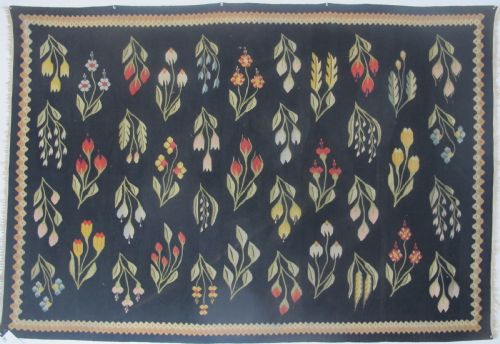
The assortment spans nineteenth-century nomadic weaving from Persian confederacies and Turkmen tribes alongside Eastern European folk art and older Flemish or Aubusson panels. These pieces reflect specific regional weaving traditions rather than generic decorative items, utilising local motifs passed down through generations of makers.
How They Were Made
The construction relies heavily on natural materials, predominantly wool, cotton, and silk, sometimes incorporating sabra fibre or glass beads for texture and detail. Weavers employed hand-spun wool and natural dyes to create durable surfaces on upright or horizontal looms.
Techniques range from fine pile weaves and intricate flatweaves to ikat dye processes on semi-silk adras fabrics. Tribal makers structured utility items like storage bags and horse blankets with robust plain weave backs to withstand daily wear.
Handwoven Wall Hanging Retail Price Guide 2026
Typical asking prices for handwoven wall hanging among the pieces listed under this phrase on Sellingantiques today, from the lower quarter to the upper quarter. They describe what is for sale here now, not the wider market.
Several nomadic bags were originally fashioned as practical storage for salt, spindle tools, or ceremonial horse decorations.
What Varies in Quality
The distinction between standard examples and exceptional pieces rests on knot density, handle flexibility, and the integrity of the natural dyes. Fine weave execution, particularly visible in Turkmen chuval faces or Persian bag fronts, demonstrates superior technical skill.
Design clarity and the preservation of original formats also dictate distinction within the range. Pieces retaining complete plain weave backs or symmetrical tribal guls present stronger visual coherence than heavily fragmented specimens.
The Handwoven Wall Hanging Glossary
- Torba
- A small Turkmen tent-bag used for storage, featuring a decorated face that translates well to wall display. These pieces display distinct tribal guls characteristic of their specific regional origin.
- Ikat
- A dyeing technique where bundles of threads are tightly wrapped and dyed before weaving to create characteristic feathered pattern edges. This method produces vibrant panels seen in Central Asian textiles.
- Sofreh
- A woven spread or cloth used for dining or bread preparation by nomadic groups such as the Afshar. Their geometric compositions offer striking abstract designs for interior placement.
- Gul
- A medallion or repeated octagonal motif used extensively in Turkmen and Central Asian tribal weaving. Each pattern identifies the specific tribe or clan responsible for the textile.
- Verdure tapestry
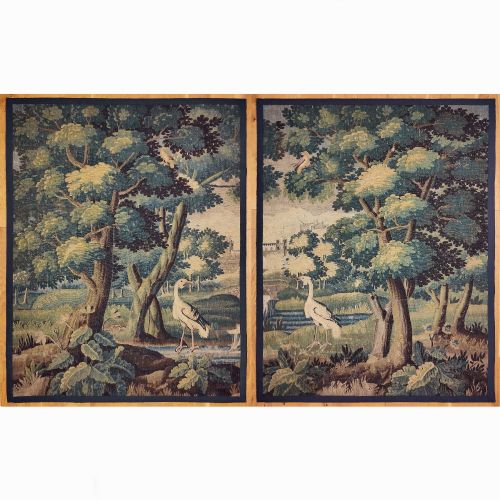
- A European landscape tapestry featuring foliage, trees, and sometimes animals woven in rich botanical tones. These panels date back to seventeenth-century French or Flemish production.
Handwoven Wall Hanging: Frequently Asked Questions
How do I hang a textile securely?
Mounting a textile requires distributing the weight evenly across the upper edge rather than piercing the fabric with direct nails. Conservation-grade Velcro stitching or a custom sleeve sewn to the reverse provides a secure display.
Heavier pile bags and larger tapestries benefit from professional mounting onto a padded, fabric-covered batten. This method prevents distortion and protects the historic fibres from undue tension.
What is a tribal bag face?
Tribal bag faces are the decorative front panels of utility sacks made by nomadic groups for storage, transport, or animal decoration. These sections typically display the most accomplished weaving and symbolic motifs of the piece.
Collectors often mount these panels independently once the utilitarian back wears out. They function effectively as compact wall art due to their concentrated geometric designs.
How are different tribal origins identified?
Attribution relies on specific structural characteristics, including edge finishes, knotting direction, and wool quality. Distinctive colour palettes and recurring motifs such as specific guls point directly to regional groups like the Yomut or Qashqa'i.
Comparing structural details against documented tribal weaving helps narrow down the origin. Subtle variations in border designs often reveal the specific sub-tribe or encampment.