



Handwoven Small Rug
A handwoven small rug brings tactile warmth and tribal geometry into an interior, offering centuries of nomadic skill in a compact floor covering.
Handwoven Small Rug
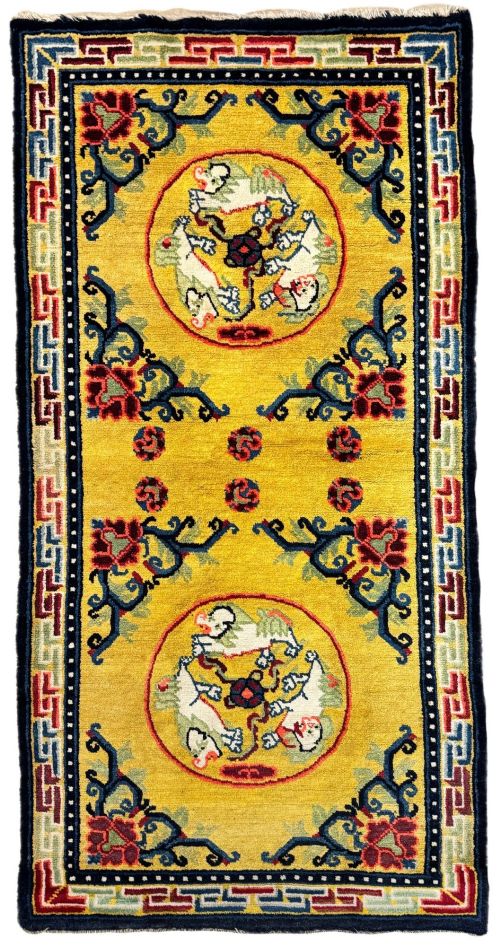
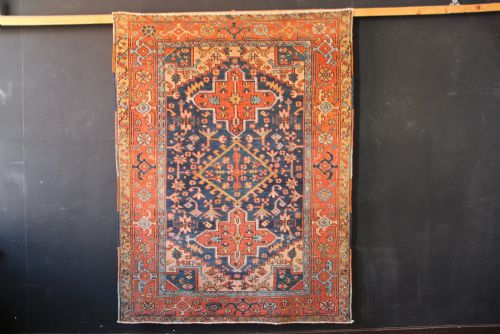
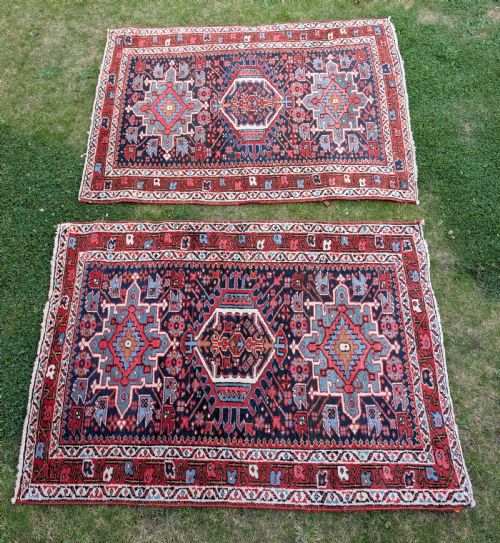
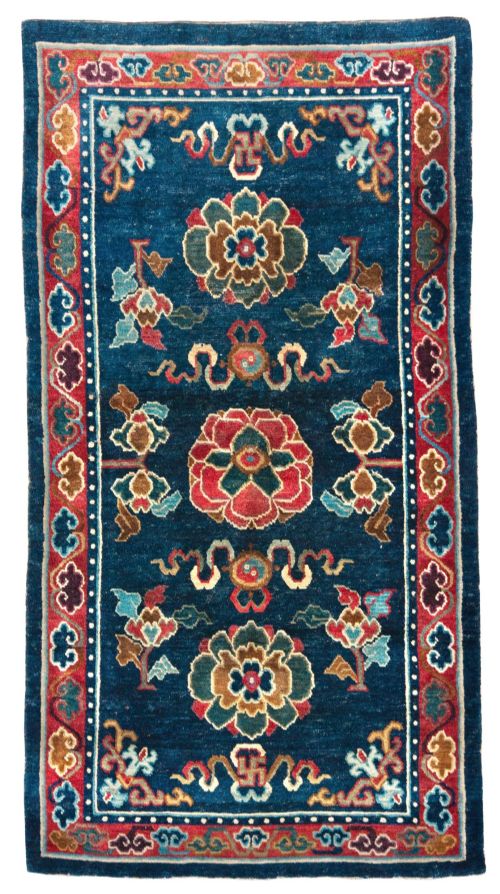
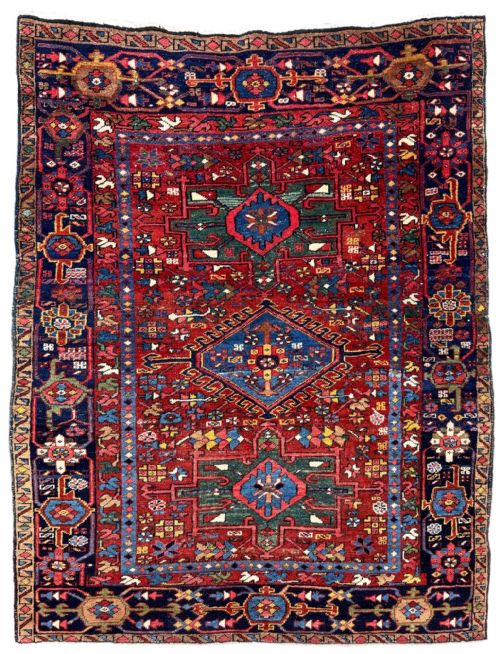
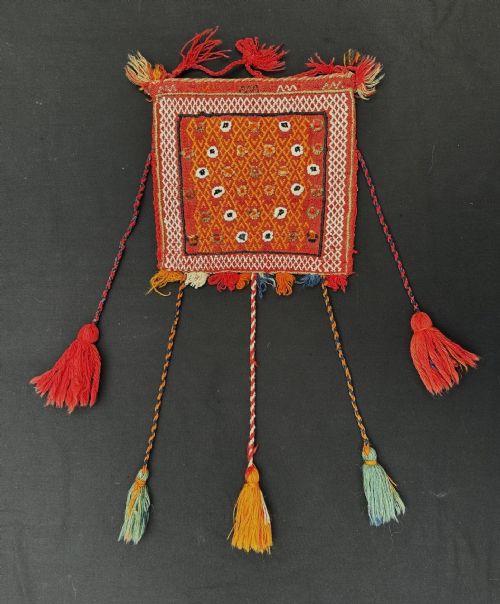
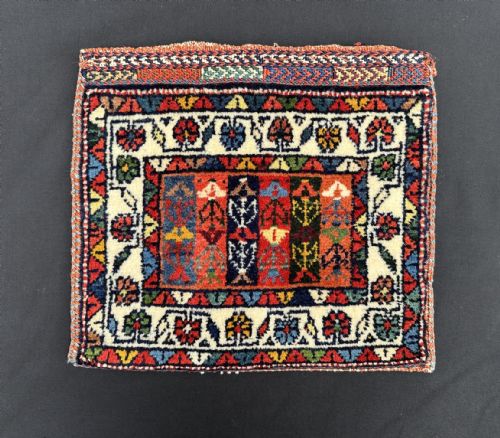
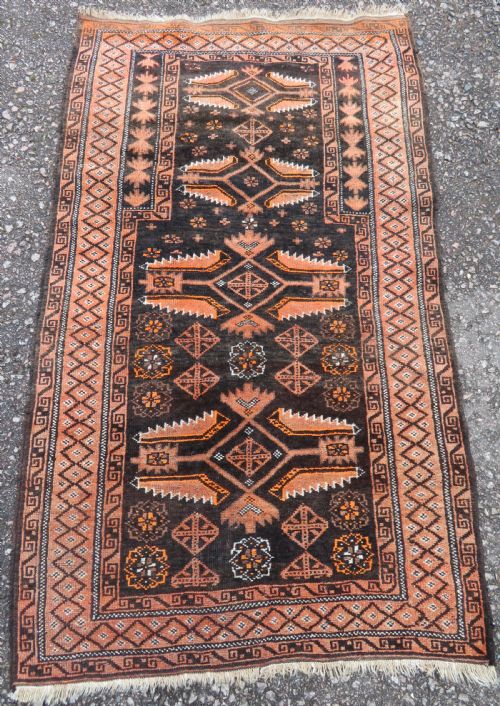
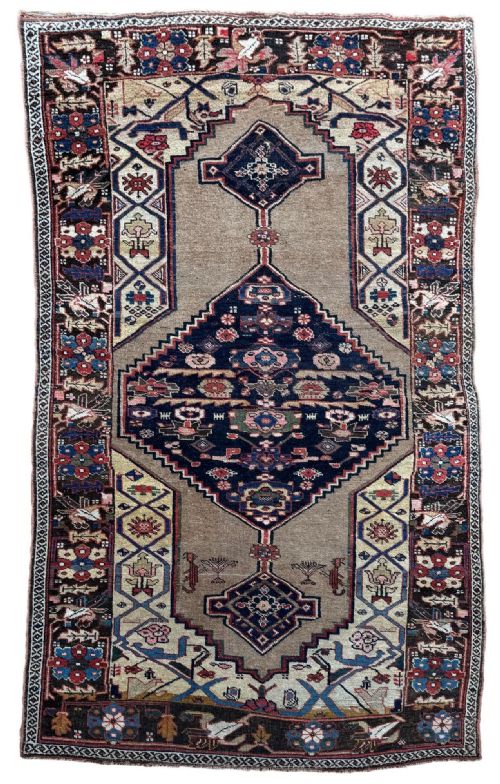
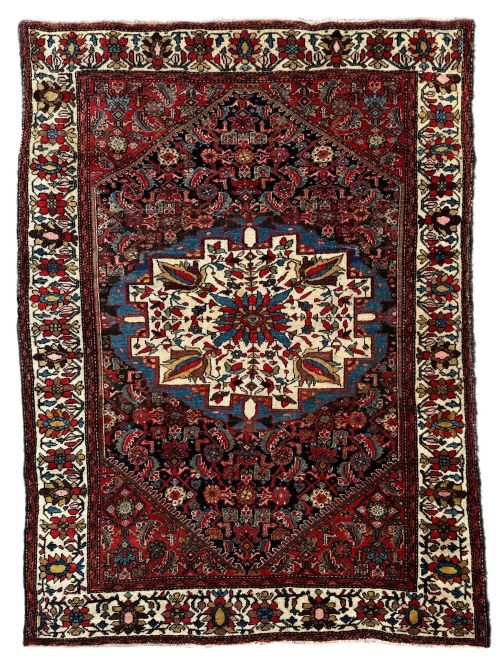
When searching for a handwoven small rug, you encounter compact floor coverings, tribal bags, and prayer formats originating from Persian, Anatolian, Caucasian, and Turkmen traditions. These textiles span periods from the nineteenth century into the early decades of the twentieth century, created by village and nomadic makers.
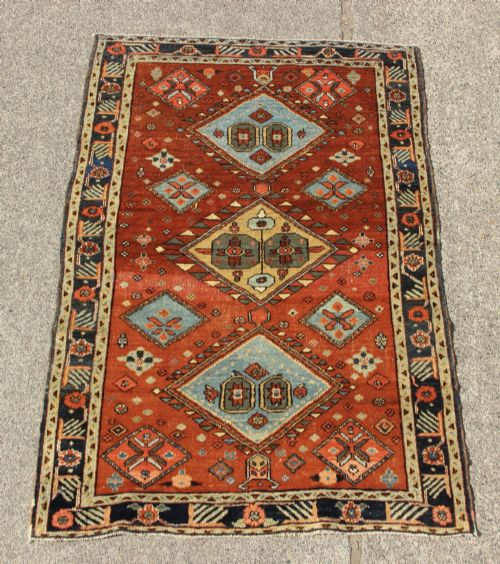
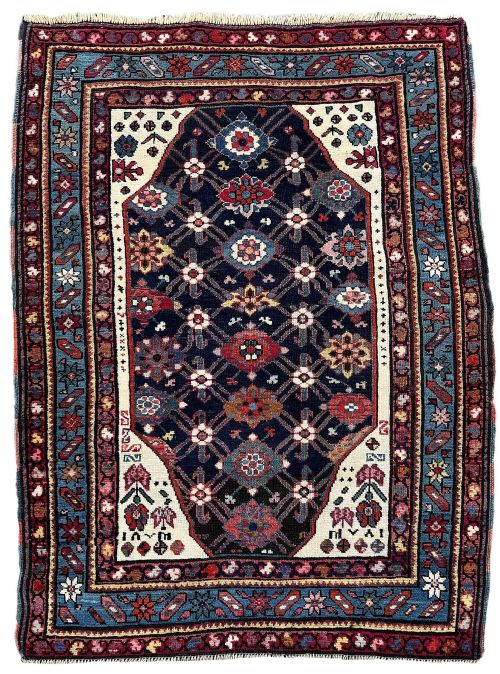
The most common examples on this page are village and tribal rugs from Heriz, Afshar, Baluch, and Hamadan workshops, alongside smaller Torba faces and Konya pieces. Their dimensions suit hallways, hearths, and intimate spaces where larger carpets overwhelm the floor plan.
How they were made
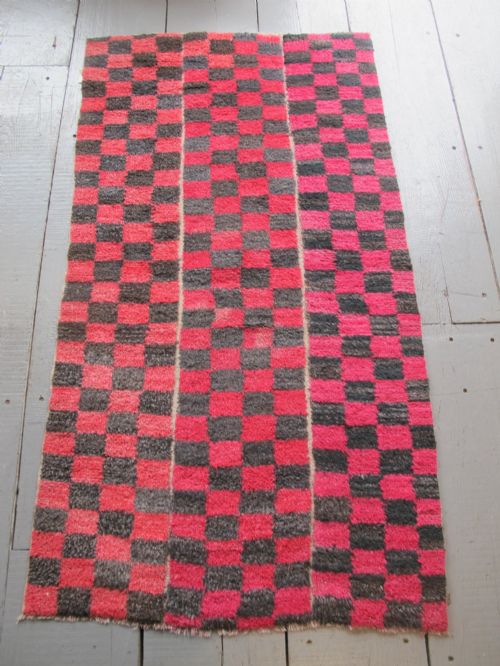
Weavers constructed these textiles primarily using handspun wool and cotton foundations, dyed with natural pigments that mellow with age. Certain specialised pieces incorporate Tibetan wool or silk to achieve distinct pile textures and luminosity.
The production relies on knotting techniques and flatweave methods passed through generations of tribal groups, including Tekke, Saryk, and Ersari Turkmen, as well as Persian confederacies. Artisans tied dense knots by hand on vertical or horizontal looms, resulting in durable structures that survive from the nineteenth century.
Handwoven Small Rug Retail Price Guide 2026
Typical asking prices for handwoven small rug among the pieces listed under this phrase on Sellingantiques today, from the lower quarter to the upper quarter. They describe what is for sale here now, not the wider market.
Listings span the nineteenth and twentieth centuries, featuring wool, cotton, silk, and natural dyes across Persian, Anatolian, and Turkmen traditions.
What varies in quality
Knot density and structural tightness set finer weaving apart from coarser village production, dictating how sharply geometric motifs and tribal guls resolve across the surface. Early examples with extremely fine weaves and complete original backs demonstrate superior workshop execution.
The choice and stability of natural dyes influence visual depth, where complex palettes maintain vibrancy through varied light conditions. Patina and wear patterns also affect the character of the textile, distinguishing evenly aged surfaces from compromised foundations.
The Handwoven Small Rug Glossary
- Gul
- A primary medallion or octagonal motif repeated across Turkmen and tribal carpets. It often identifies the specific clan or weaving group responsible for the piece.
- Torba
- A small, envelope-shaped wall hanging or storage bag produced by Turkmen nomads. These faces display intricate guls and dense knotting.
- Sofreh
- A flatwoven spread or cloth used during meals or bread-making within nomadic communities. They feature utilitarian geometric compositions.
- Khaden
- A small Tibetan meditation or sleeping rug characterised by resilient wool and specific regional iconography. They provide dense, low-pile warmth.
- Yastic
- A small Turkish cushion face or pillow cover woven in Anatolia. These pieces utilise village wools and traditional regional motifs.
Handwoven Small Rug: Frequently Asked Questions
How do I style a small rug?
Compact tribal rugs suit entryways, bedside placements, and hearths where their geometric designs anchor smaller spaces. They also function well as wall hangings to protect fragile wool and silk structures from foot traffic.
Layering a compact antique rug over larger natural fibre flooring adds texture and introduces historic pattern without dominating the room.
How do I date these textiles?
Dating relies on examining natural dye palettes, structural materials, and stylistic markers consistent with nineteenth and early twentieth-century production. Earlier pieces often display softer colour shifts and finer handspun wool foundations.
Specific tribal attributions and structural traits, such as knot types and edge finishes, help place pieces within eras like the 1880s or 1900s.
What is a prayer rug format?
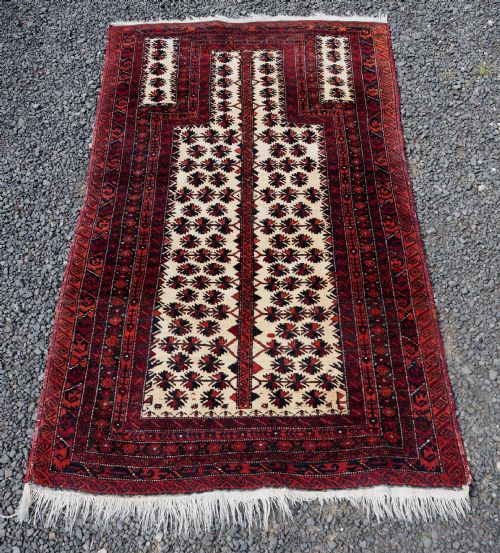
Prayer rugs feature a distinctive mihrab or arch design at one end, which worshippers oriented toward Mecca during daily devotions. These formats appear frequently in Anatolian, Caucasian, and Persian village weaving.
The compact scale allowed nomads to roll and transport their personal mats easily during seasonal migrations.