


Handwoven Rug Runner
A handwoven rug runner brings centuries of tribal and regional weaving traditions directly to narrow hallways and corridors.
Handwoven Rug Runner
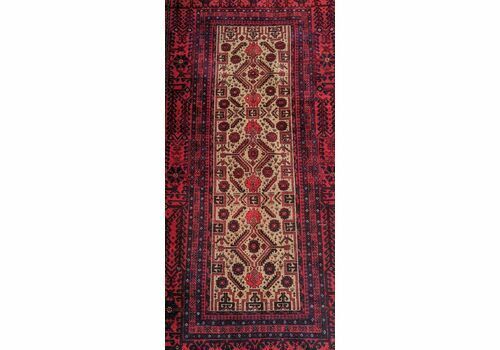
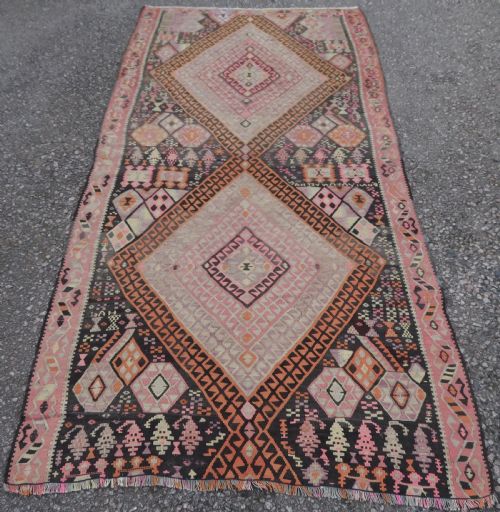
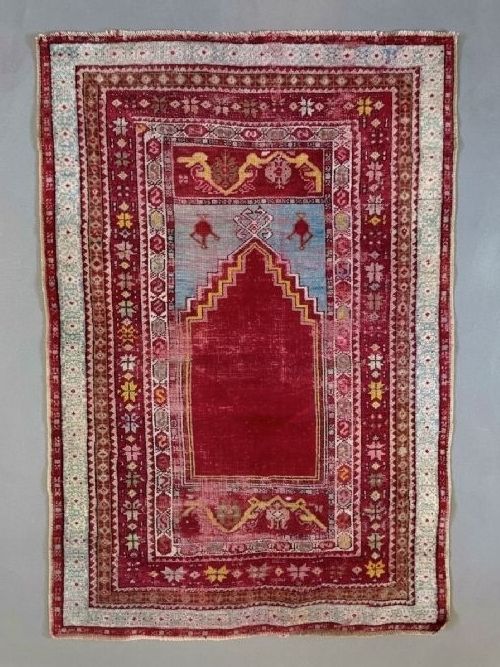
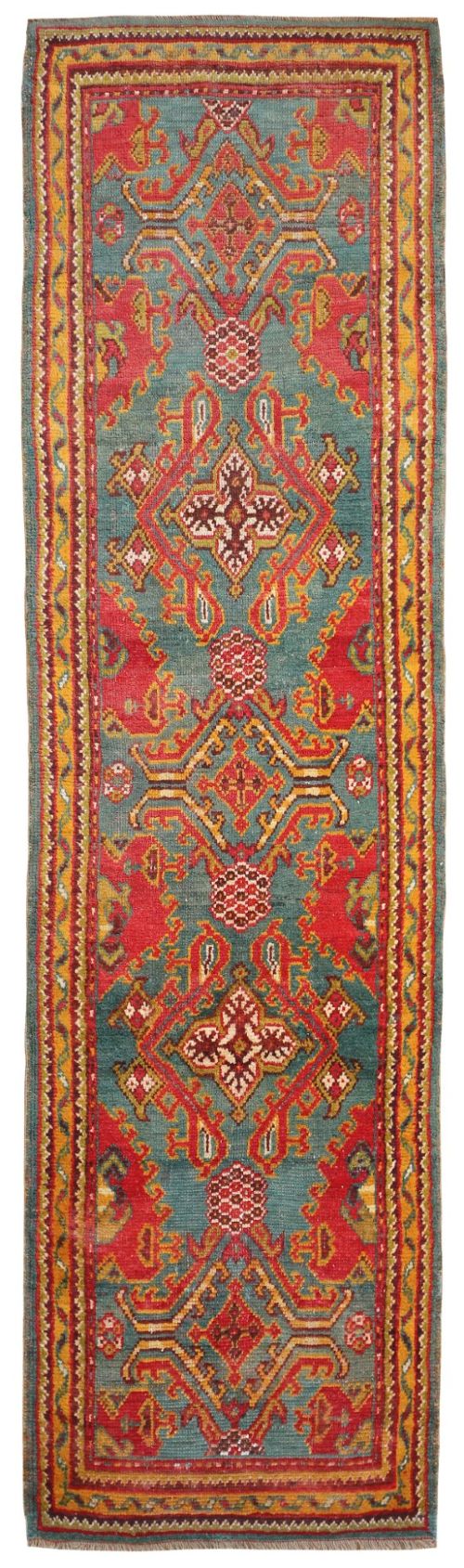
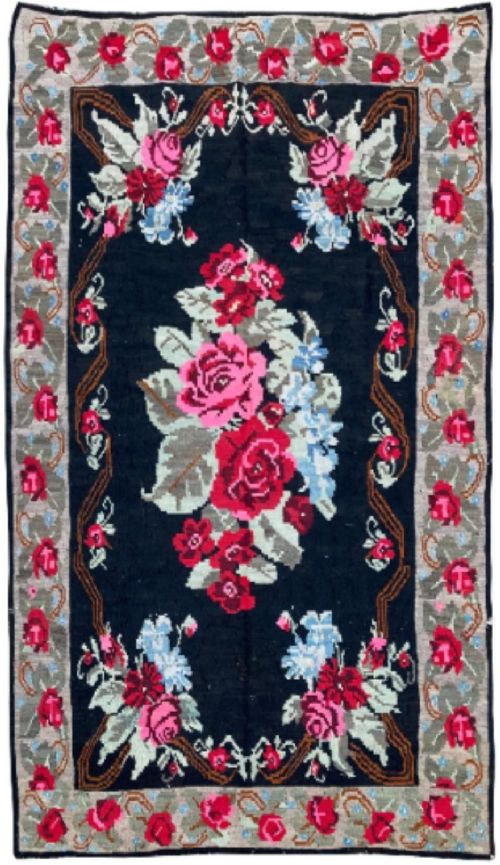
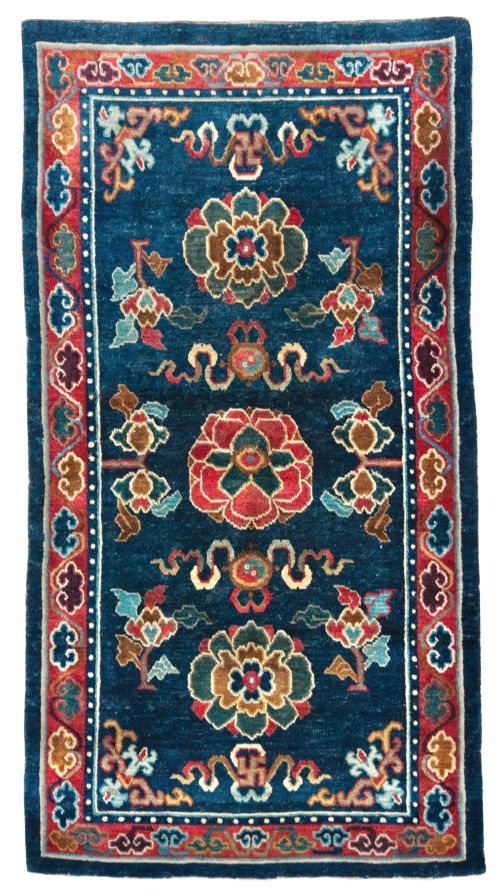
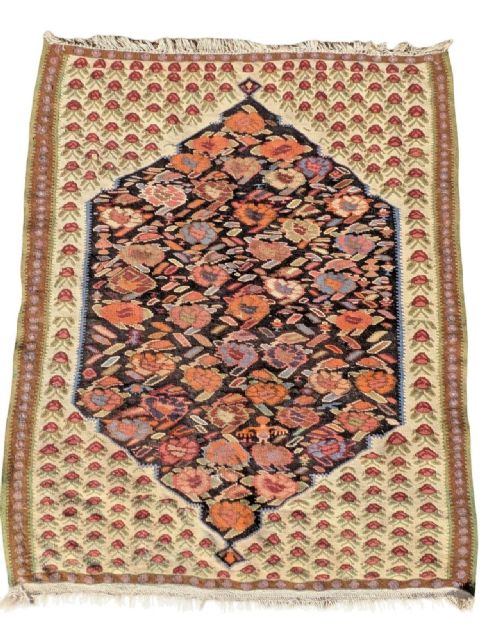
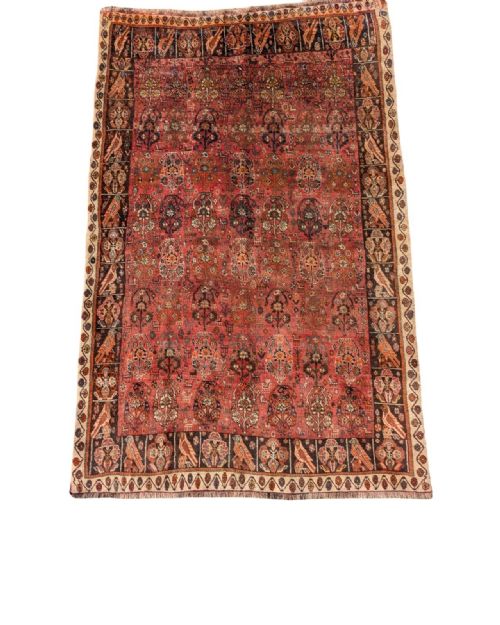
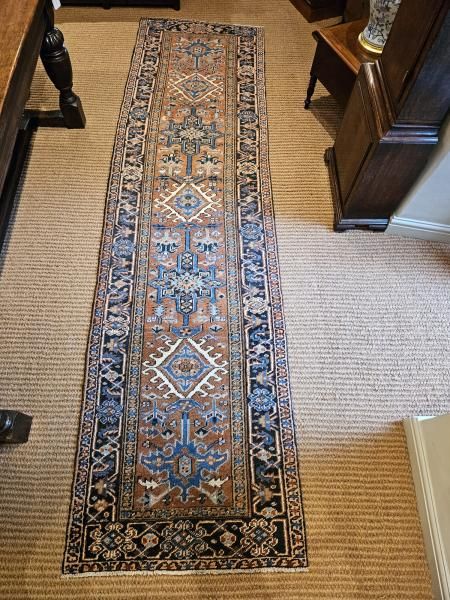
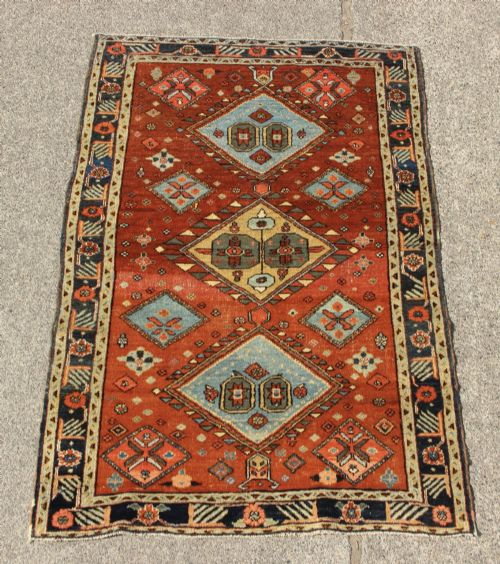
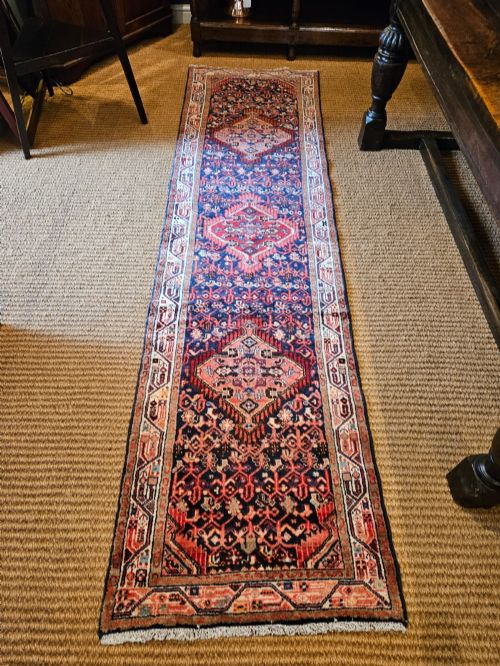
A handwoven rug runner is a long, narrow textile designed to traverse corridors, staircases and narrow rooms. When you search for this phrase, you encounter elongated floor coverings originating from traditional weaving centres across Persia, the Caucasus, Anatolia, and Tibet. The forms span from nineteenth-century village pieces to twentieth-century tribal runners.
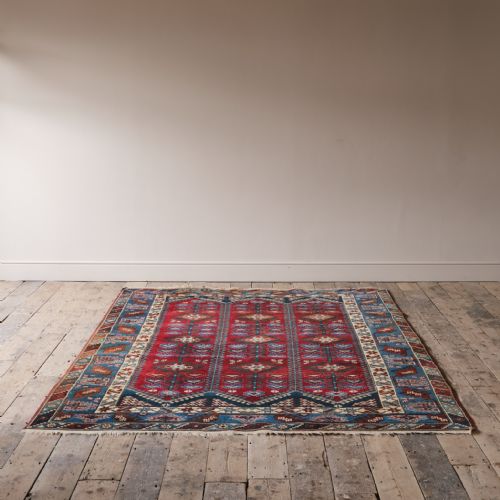
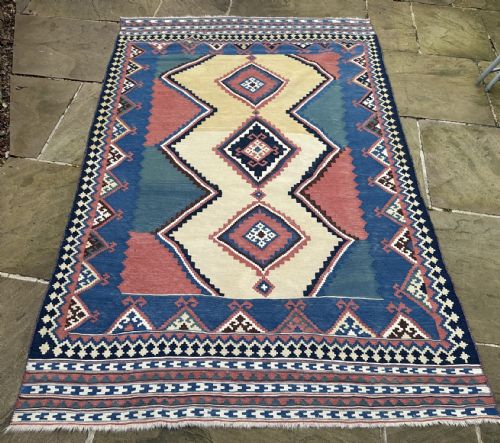
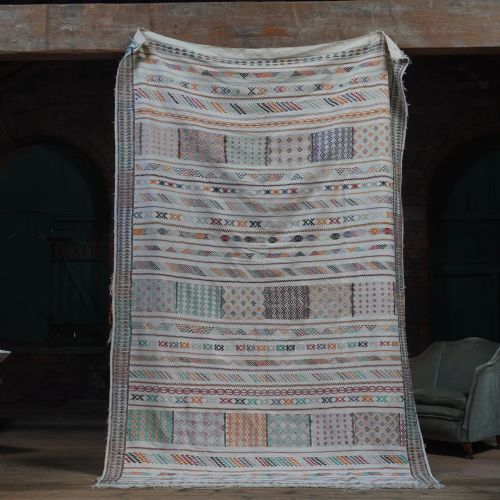
The evidence shows a strong presence of Persian tribal and village workshops, alongside Caucasian and Turkish examples. These items include Heriz, Kurdish, and Shirvan runners alongside flatwoven kilims and pile carpets. Buyers select them to add linear pattern and grounded texture to transitional spaces in domestic interiors.
What varies in quality
The quality of a runner rests on the tightness of the weave, the grade of the wool, and the purity of the dye work. Tighter knot counts and heavier hand-spun wool yield greater durability and sharper definition in intricate geometric or floral motifs. Finer pieces demonstrate superior structural integrity along the selvedges and ends.
Artistic execution and dye consistency further separate standard village output from exceptional tribal examples. The best pieces display harmonious natural colour variation, balanced proportions across long formats, and crisp rendering of traditional medallion or field designs.
Several runners retain the nomadic memories of dining sofres and meditation mats, once sat upon for communal meals.
Heriz·Kashan·Bidjar·Karabagh·Daghestan
The Handwoven Rug Runner Glossary
- Kilim
- A flatwoven textile produced without a pile by tightly interlocking coloured wefts over warps. These pieces often feature bold geometric patterns.
- Runner
- A long, narrow carpet format specifically proportioned for corridors, hallways, and staircases. They balance traffic flow with decorative textile art.
- Natural Dyes
- Colourants derived from plant, insect, and mineral sources rather than synthetic chemicals. They produce softer, more complex hues that age gracefully.
- Pile
- The vertical or slanted cut ends of knots that form the plush surface of a carpet. Dense pile provides comfort underfoot and protects the foundation.
- Sofre
- A traditional textile used primarily for spreading during meals or processing dough in tribal households. They often double as distinctive flatwoven rugs with pictorial or symbolic layouts.
Handwoven Rug Runner: Frequently Asked Questions
Where should I place a runner?
Runners suit narrow spaces such as hallways, corridors, and entryways where linear floor coverage protects high-traffic flooring. They also function well alongside kitchen islands or beside beds in larger bedrooms.
Ensure you measure the corridor width and length carefully, leaving a uniform margin of exposed floorboards or stone around the perimeter for a balanced visual frame.
How do I care for a wool runner?
Regular gentle vacuuming without a rotating beater bar prevents dust and grit from settling deep into the wool pile. Rotate the runner periodically to distribute foot traffic evenly across the length.
Address spills immediately by blotting with a clean cloth rather than rubbing, and consult a specialist in antique textiles for professional cleaning when necessary.
What is the difference between pile and flatweave?
Pile rugs feature knotted wool fibres that stand upright to create a soft, textured surface underfoot. They offer warmth and substantial cushioning in domestic settings.
Flatweaves, such as kilims and tapestries, contain no pile and consist entirely of interwoven warp and weft threads. They lie flatter on the floor and display sharp, graphic geometric patterns.
How do I identify a tribal design?
Tribal designs typically exhibit geometric motifs, stylized animals, repeating medallions, and abrash colour variations woven from memory by nomadic or village artisans. These patterns reflect local cultural symbols rather than formal court designs.
Regions like the Caucasus, Kurdistan, and Fars province developed distinct tribal vocabularies using characteristic palettes and structural quirks that distinguish them from city-made carpets.