
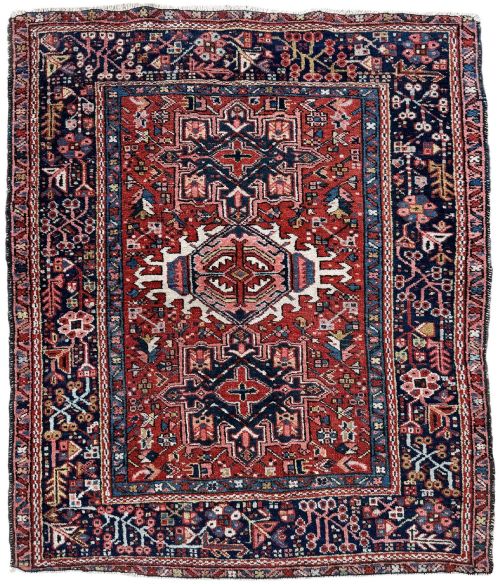


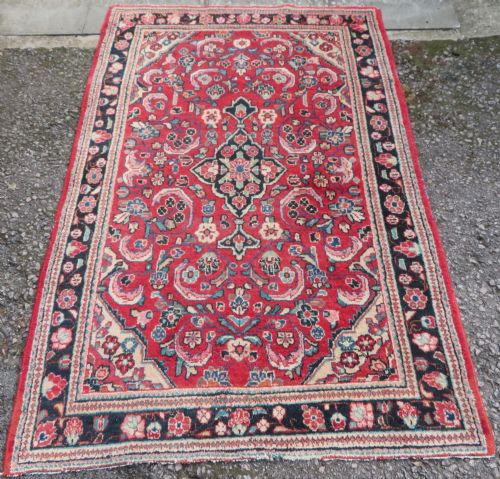
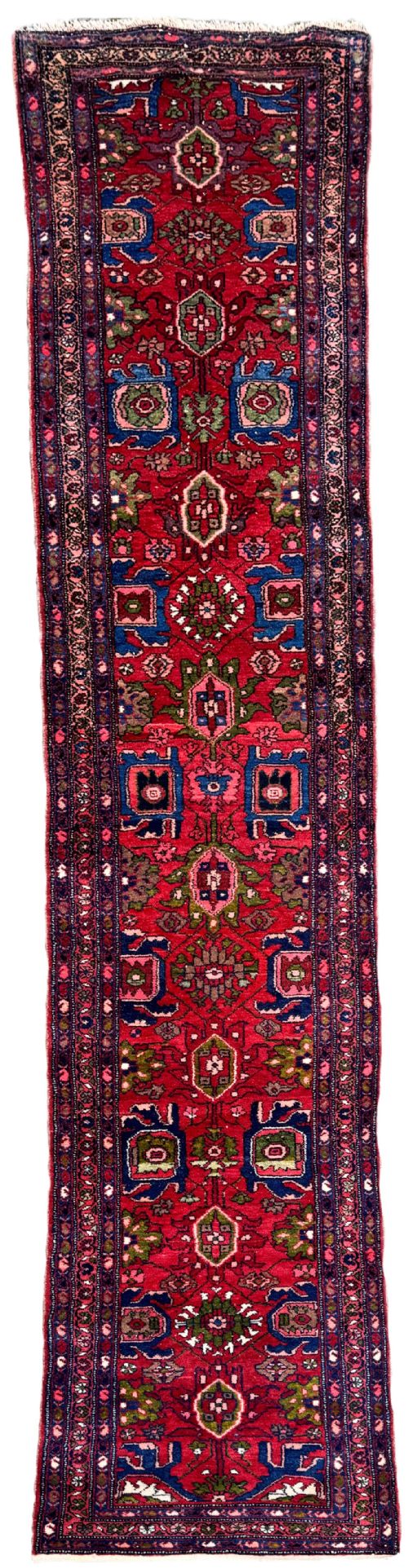
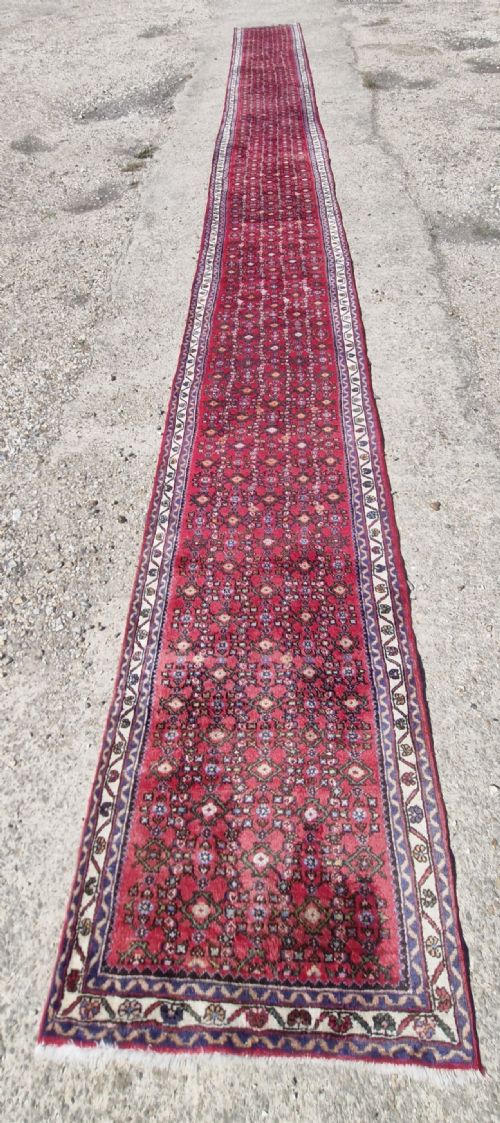




Crimson Persian Runner
A crimson persian runner brings deep red tones and traditional weaving into a hallway, offering durability and historical character.
Crimson Persian Runner
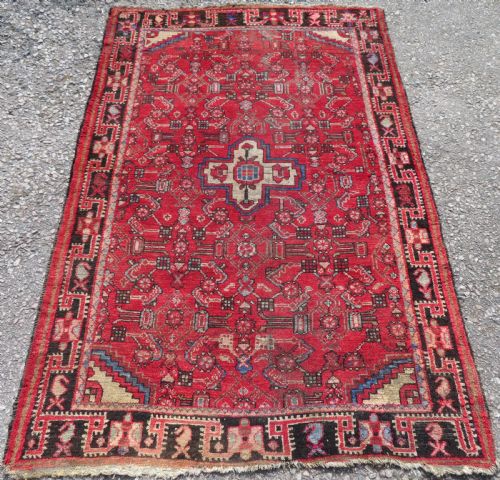
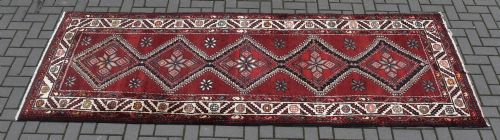
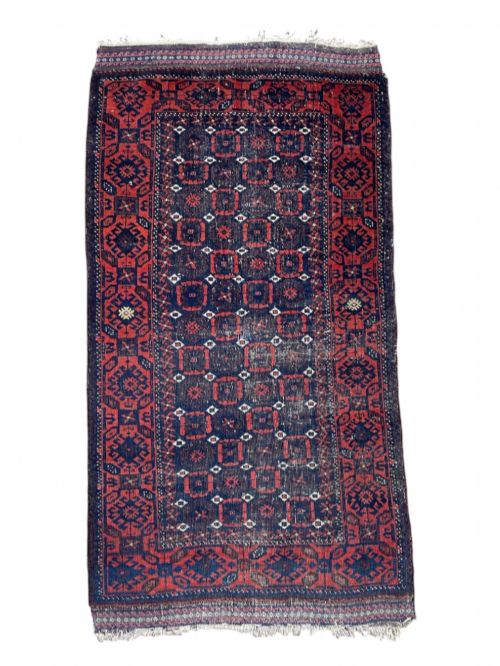
A crimson persian runner comprises long, narrow floor coverings originating from various Persian traditions, often designed for hallways and corridors. The pieces on this page span from the nineteenth century through the mid twentieth century, including village and tribal weaving traditions.
Buyers will encounter specific regional types such as Hamadan, Heriz, Baluch, and Khamseh pieces. These items demonstrate distinct tribal and village patterns woven in traditional formats.
How they were made
These textiles utilise wool, hand-spun wool, and cotton foundations combined with natural dyes to create durable floor coverings. Weavers tied pile knots by hand on traditional looms, incorporating local dyeing techniques derived from plant and mineral sources.
The construction involves sturdy wool piles secured to cotton or wool warp and weft threads. This traditional method yields dense, resilient structures suited for heavy foot traffic in long spaces.
Some runners stretch to thirty-two feet, requiring an exceptionally long hallway to show off every knot.
What varies in quality
Quality differences depend upon the fineness of the weave and the consistency of the wool pile. Tighter knot counts and superior hand-spun wool yield greater durability and sharper pattern definition.
The complexity of the regional design and the depth of the natural dyes distinguish standard village pieces from finer workshops. Well-preserved foundations and intact borders also elevate the overall standard of a runner.
The Crimson Persian Runner Glossary
- Runner
- A long, narrow carpet designed primarily for hallways, corridors, and stairs. These pieces measure significantly longer than they are wide.
- Pile
- The upright yarn loops or cut ends that form the soft surface of a carpet. This layer is tied to the underlying foundation threads.
- Warp
- The vertical threads stretched lengthwise on a loom before weaving begins. Weft threads pass horizontally through these structural elements.
- Natural Dyes
- Colourants derived from plants, insects, and minerals rather than synthetic chemicals. These substances produce rich, varied tones that age distinctively.
- Gul
- A medallion or repeating octagonal motif often found in tribal and nomadic weaving. This design element frequently appears in Baluch and Turkmen-influenced rugs.
Crimson Persian Runner: Frequently Asked Questions
Where should I place a long runner?
These narrow formats suit hallways, landings, and corridors where elongated floor coverings provide warmth and protect wooden floorboards.
Their proportions direct movement through a home while adding traditional colour and texture to transitional spaces.
How do I identify a village rug?
Village pieces often display geometric motifs, earthy palettes, and slightly asymmetrical designs woven on domestic looms rather than large urban workshops.
Local weavers relied on traditional regional patterns passed down through generations within specific tribes and communities.
What materials make up these carpets?
Traditional examples combine wool or hand-spun wool piles with cotton or wool foundations. Natural dyes provide the underlying red and crimson colour schemes.
These organic materials contribute to the resilience and ageing characteristics of nineteenth and twentieth century pieces.
How do I care for an old wool runner?
Gentle vacuuming without a beater bar and occasional professional cleaning maintain the wool pile and natural dyes. Rotating the piece ensures even wear in high-traffic corridors.
Protecting the backing with a suitable underlay prevents slipping and reduces friction against hard floors.