






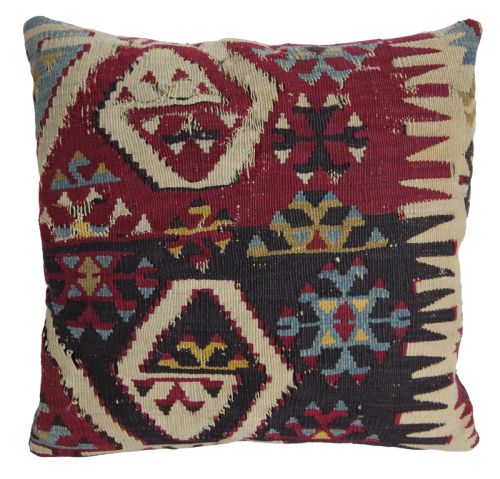


Handwoven Kilim Pillow
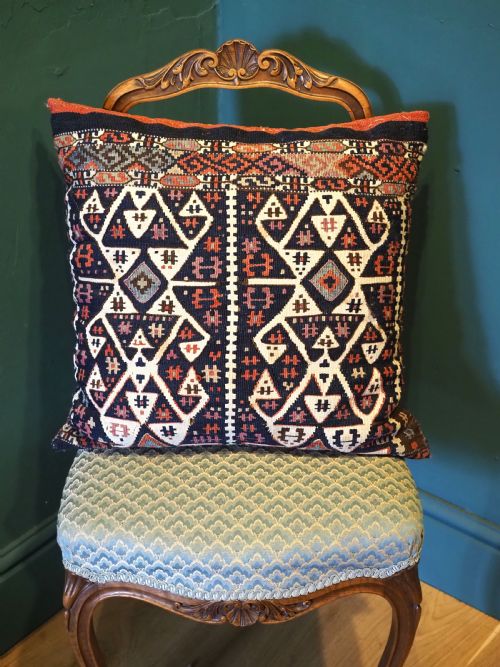
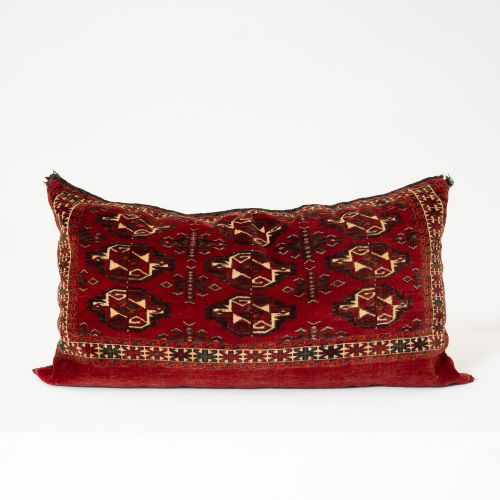
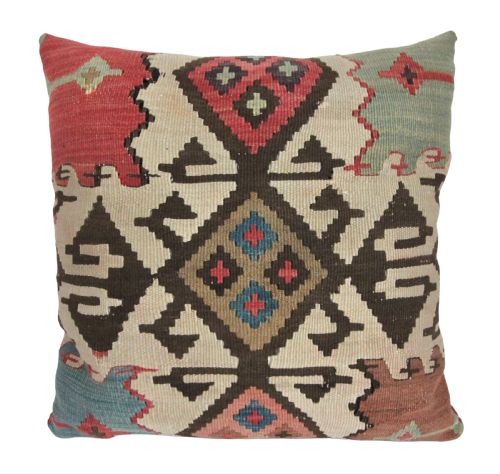
A handwoven kilim pillow brings texture and pattern from nomadic traditions directly into a room, fashioned from genuine tribal textiles.

Handwoven Kilim Pillow
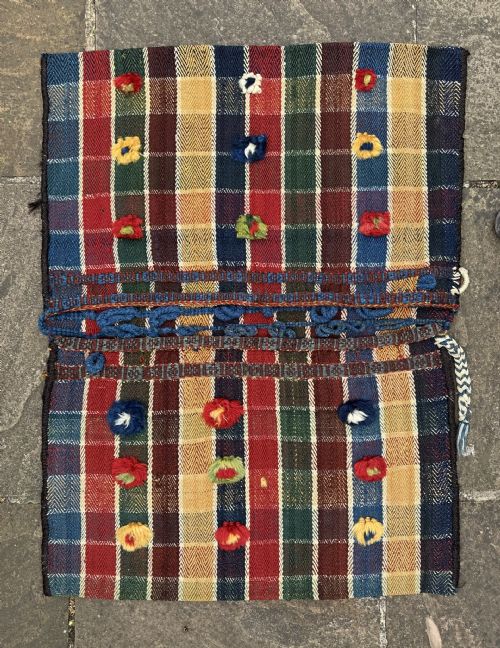
When you search for a handwoven kilim pillow, you encounter flat-weave textiles repurposed into cushions and decorative furnishings. These pieces derive from older utilitarian objects such as saddlebags, bag faces, and storage sacks produced by nomadic and tribal groups.
The version most frequently met on this page is the antique kilim cushion, often utilising fragments from Anatolian and Persian traditions. These textiles date from the mid-nineteenth century through the early twentieth century, presenting geometric designs and rich wool structures.
Makers originally produced these flat-weaves for practical camp use, carrying belongings across regions. Today, workshops and restorers turn these historic bag faces and panels into scatter cushions for interior display.
How they were made
Weavers constructed these textiles using hand-spun wool and cotton foundations, relying on traditional vertical or horizontal looms. The slit-weave technique creates distinct geometric motifs by interlocking or leaving small gaps between colour changes in the yarn.
Makers employed natural dyes to colour the wool, producing deep tones derived from local plants, roots, and insects. These organic colourants create subtle variations across the surface of each flat-weave textile over time.
Handwoven Kilim Pillow Retail Price Guide 2026
Typical asking prices for handwoven kilim pillow among the pieces listed under this phrase on Sellingantiques today, from the lower quarter to the upper quarter. They describe what is for sale here now, not the wider market.
Materials documented across these textiles consist primarily of wool, cotton, natural dyes, and hand-spun wool.
What varies in quality
Quality rests upon the tightness of the weave and the complexity of the tribal design. Denser hand-spinning and finer wool selection create a firmer, more durable textile that withstands daily handling better than looser weaves.
The integrity of the original bag face or kilim fragment dictates the visual success of the cushion. Pieces retaining clear, saturated natural dyes and precise tribal geometry stand apart from simpler or more faded examples.
The Handwoven Kilim Pillow Glossary
- Kilim
- A flat-woven textile produced without a pile, created by tightly interlocking warp and weft threads. This technique results in a smooth, tapestry-like fabric characteristic of nomadic weaving traditions.
- Bag Face
- The decorative front panel of a nomadic storage sack or saddlebag. These panels display the most intricate geometric patterns and form the primary source material for antique cushions.
- Warp
- The stationary vertical threads stretched across a loom that form the structural foundation of the textile. Weft threads are passed horizontally through these structural cords to build the pattern.
- Natural Dyes
- Organic colourants extracted from plants, minerals, and insects used to dye wool before weaving. These dyes produce complex, muted tones that age with considerable depth.
Handwoven Kilim Pillow: Frequently Asked Questions
What is a kilim cushion?
A kilim cushion is a decorative pillow made by converting historic flat-woven tribal textiles, such as saddlebags or storage sacks, into soft furnishings.
These pieces preserve authentic nomadic patterns and hand-spun wool structures from the nineteenth and early twentieth centuries.
How do I care for my pillow?
Maintain your cushion by gentle vacuuming with a low suction attachment and avoiding direct, prolonged exposure to harsh sunlight. Professional textile cleaning is recommended for antique wool items.
Keep the cushion dry and occasionally rotate it to ensure even wear across the flat-woven surface.
Are these cushions antique?
Many cushions incorporate genuine nineteenth-century and early twentieth-century tribal fragments, including Anatolian and Persian bag faces. These textiles originate from working nomadic cultures rather than modern reproduction mills.
The materials typically feature hand-spun wool and natural dyes dating from the 1850s to the 1920s.
Where do the designs come from?
The geometric motifs originate from specific tribal groups such as the Shahsavan, Qashqa'i, and Turkmen peoples. Each region developed distinct colour palettes and symbolic patterns for their daily utility items.
These traditional designs reflect the cultural heritage and weaving techniques of nomadic communities in regions like Anatolia and Persia.