



Handwoven Heriz Wool Rug
A handwoven heriz wool rug brings enduring geometric colour to a floor, offering robust construction rooted in traditional Persian weaving.
Handwoven Heriz Wool Rug
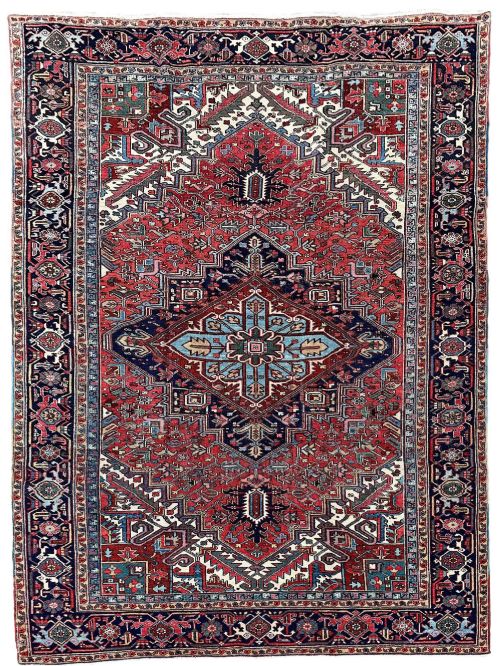
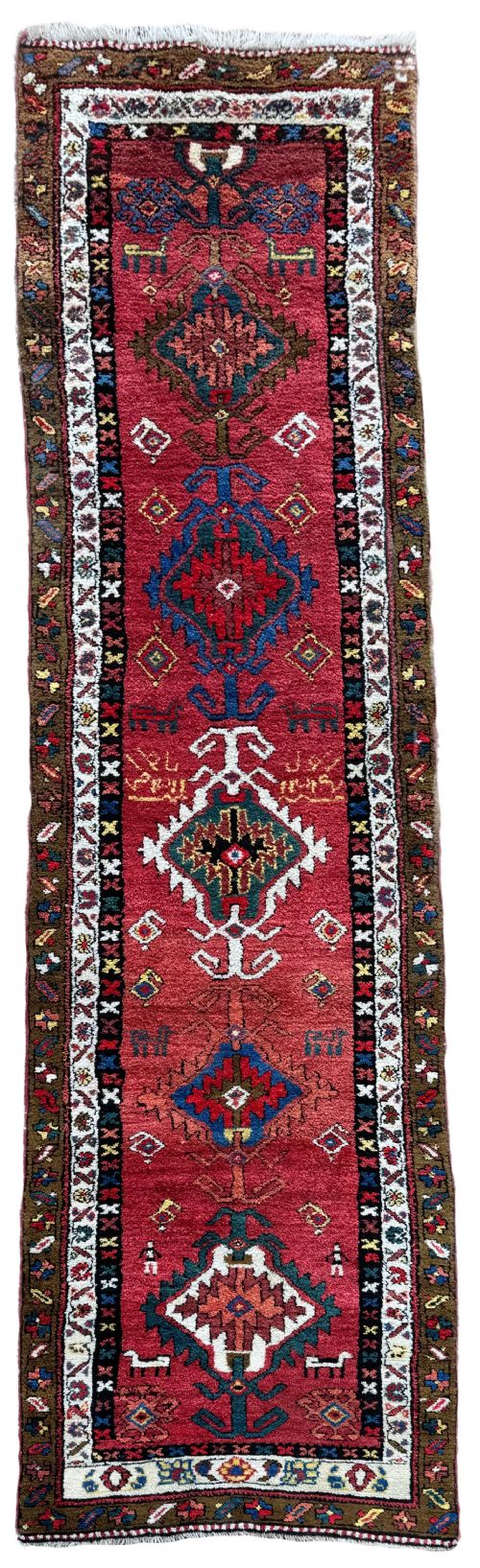
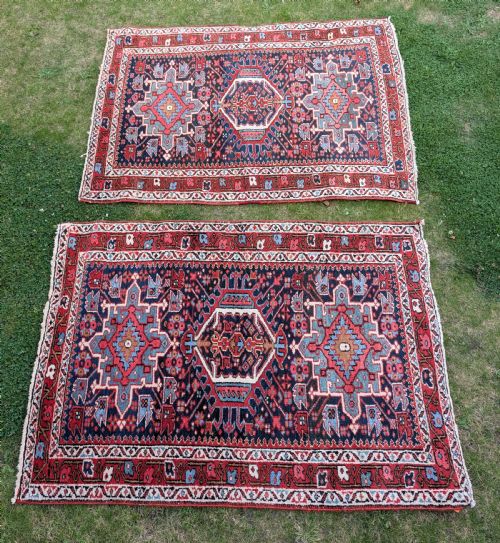
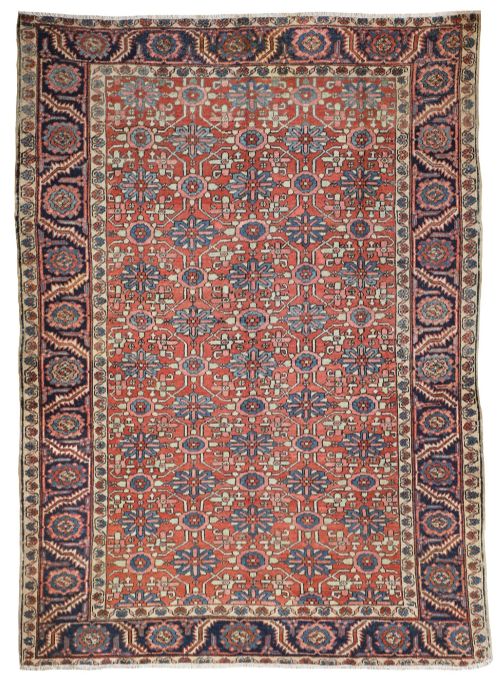
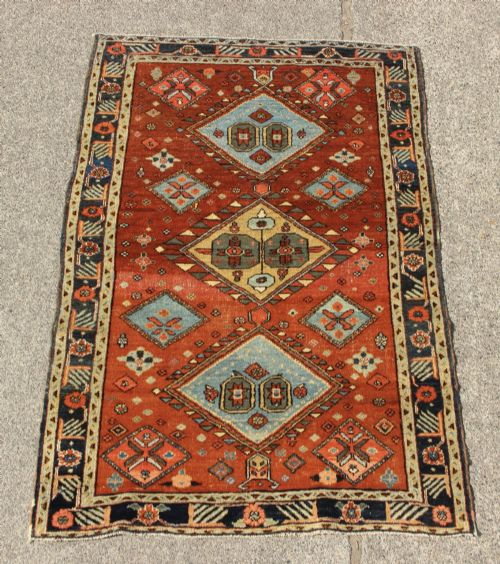
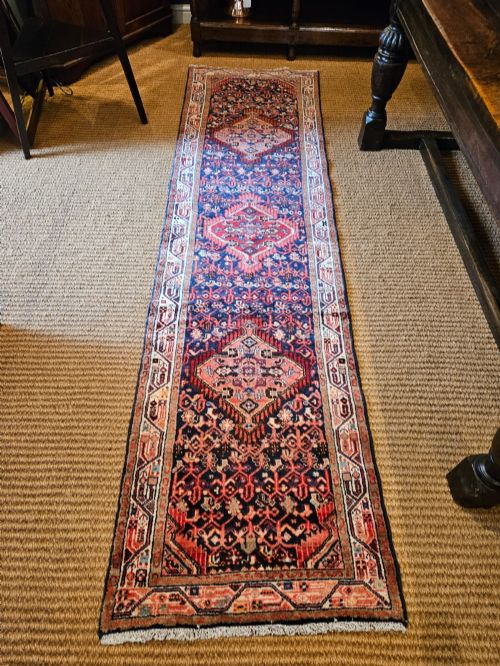
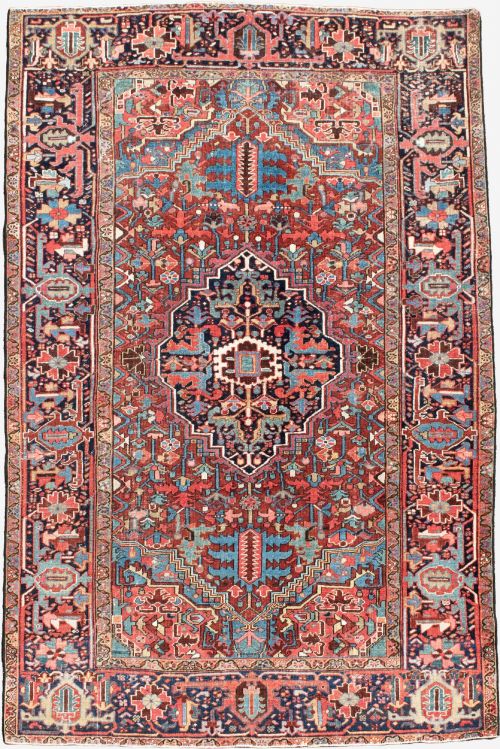
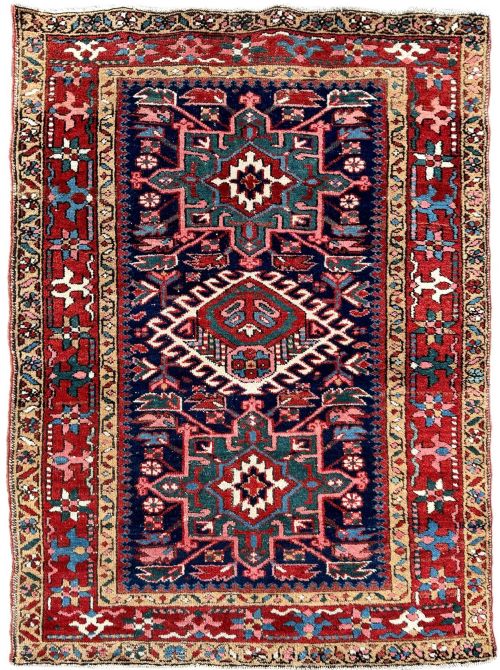
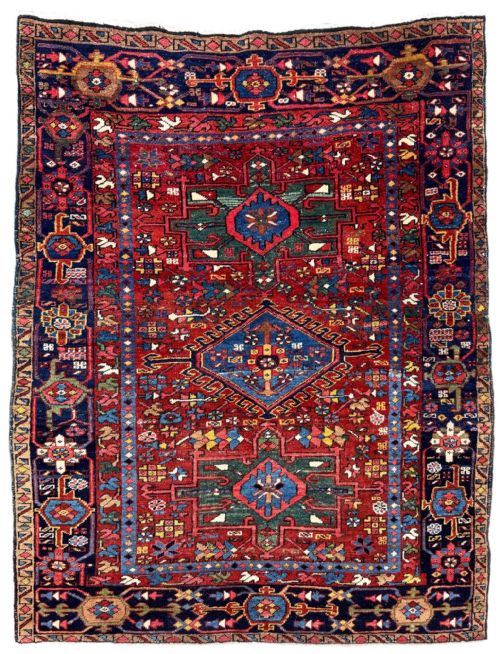
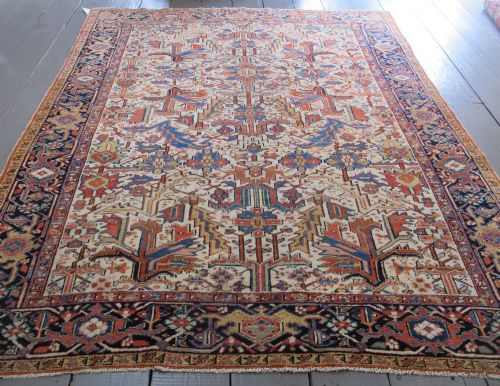
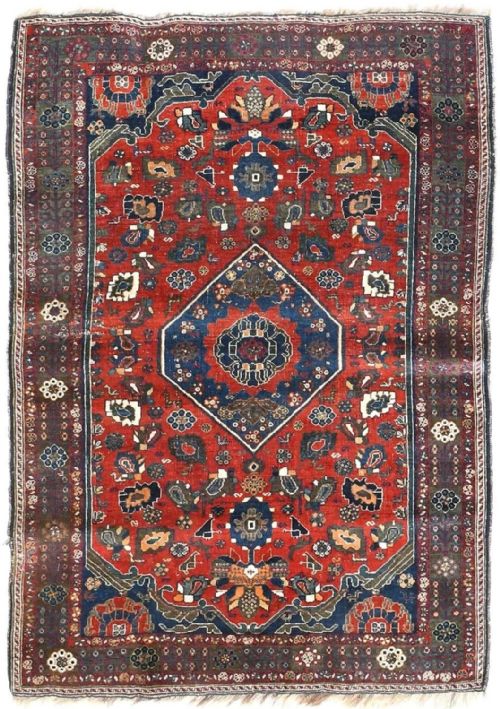
A handwoven heriz wool rug represents a sturdy floor covering originating from North-West Persia, dating predominantly from the late nineteenth century through to the early decades of the twentieth century. These textiles appear in various formats on this page, ranging from small area carpets and square room sizes to long hallway runners and compact bag faces.
The buyer meets traditional Persian weaving traditions expressed through distinct geometric medallions and balanced corner designs. Pieces span centuries from the nineteenth to the twentieth, reflecting long-established regional knotting methods.
Materials and construction
The construction relies on natural wool and cotton materials, combining durable wool pile tied onto sturdy cotton foundations. Artisans wove these floor coverings by hand, employing local vegetable and mineral dyes to establish enduring colour palettes.
Weavers constructed each carpet to withstand daily use, utilising tight knots that support the dense wool surface. The combination of wool pile and cotton warps creates a flexible yet resilient textile designed for heavy foot traffic.
Listings span several decades from the late nineteenth century to 1930, utilising wool and cotton across diverse formats including runners and square carpets.
Assessing quality and proportion
Quality rests in the precision of the geometric design and the fineness of the knotting across the wool field. Tightly packed knots provide a firmer handle and sharper definition to the central medallions and border patterns.
Proportion and scale also separate standard examples from finer works, particularly in larger carpets where maintaining symmetry requires considerable skill. The uniformity of the wool pile and the preservation of original edge finishes dictate the overall integrity of each rug.
The Handwoven Heriz Wool Rug Glossary
- Heriz
- A region in North-West Persia renowned for producing robust carpets with bold geometric motifs. These rugs typically feature large central medallions.
- Karaja
- A style associated with neighbouring villages in the Heriz district, known for geometric village rugs and runner formats. They share similar wool materials and structural traits.
- Serapi
- An older classification often applied to nineteenth-century carpets from the Heriz area featuring more spacious designs and muted palettes. These pieces generally date to the earlier end of the production timeline.
- Runner
- A long, narrow carpet format designed specifically for hallways and corridors. Runners provide durable floor protection in confined spaces.
- Bag face
- The front panel of a nomadic storage bag, preserved and mounted as a small decorative mat. These pieces display concentrated tribal patterns in miniature scale.
Handwoven Heriz Wool Rug: Frequently Asked Questions
Where were these rugs made?
These textiles originate from North-West Persia, specifically the Heriz district and surrounding villages where local weavers produced them for domestic and export markets.
Production spanned the late nineteenth century into the twentieth century, relying on traditional household workshops and regional craftsmanship.
How do I care for my wool rug?
Regular gentle vacuuming without a rotating brush helps remove embedded dust from the wool pile. Professional cleaning is recommended periodically to preserve the natural lanolin in the wool.
Keeping the carpet out of direct sunlight prevents fading of the traditional vegetable dyes used in the original construction.
What is the difference between a carpet and a runner?
Carpets are larger, broader textiles designed to anchor central seating areas or dining spaces within a room. Their expansive fields accommodate major furniture arrangements.
Runners are elongated formats specifically proportioned for narrow hallways, landings, and corridors where standard widths will not fit.
Are these rugs durable enough for daily use?
The combination of dense wool pile and sturdy cotton foundations creates a robust floor covering built for heavy foot traffic. Traditional construction methods ensure longevity under normal household conditions.
Placing an appropriate underlay beneath the textile prevents slipping and reduces friction between the floor and the cotton warp threads.