






Handwoven Heriz Rug
A handwoven heriz rug anchors a room with bold geometric patterns and enduring wool construction from North-West Persia.
Handwoven Heriz Rug
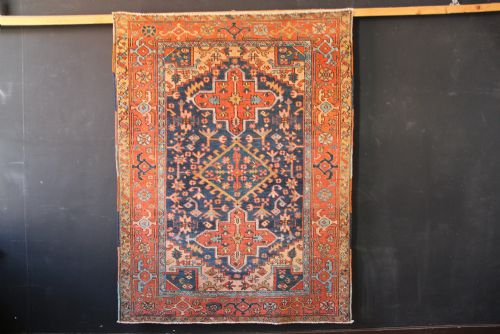
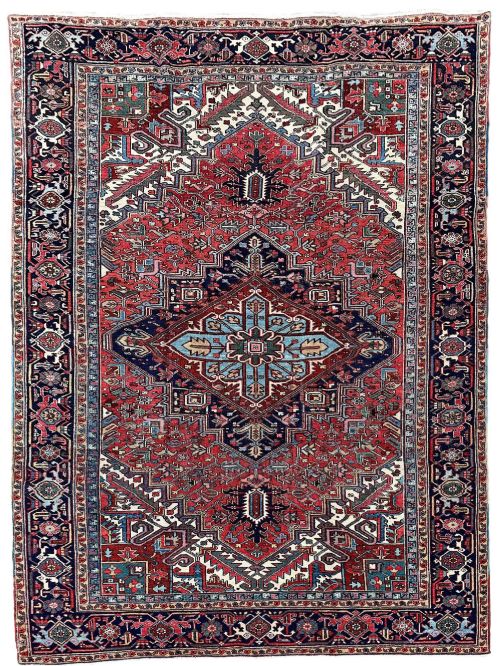
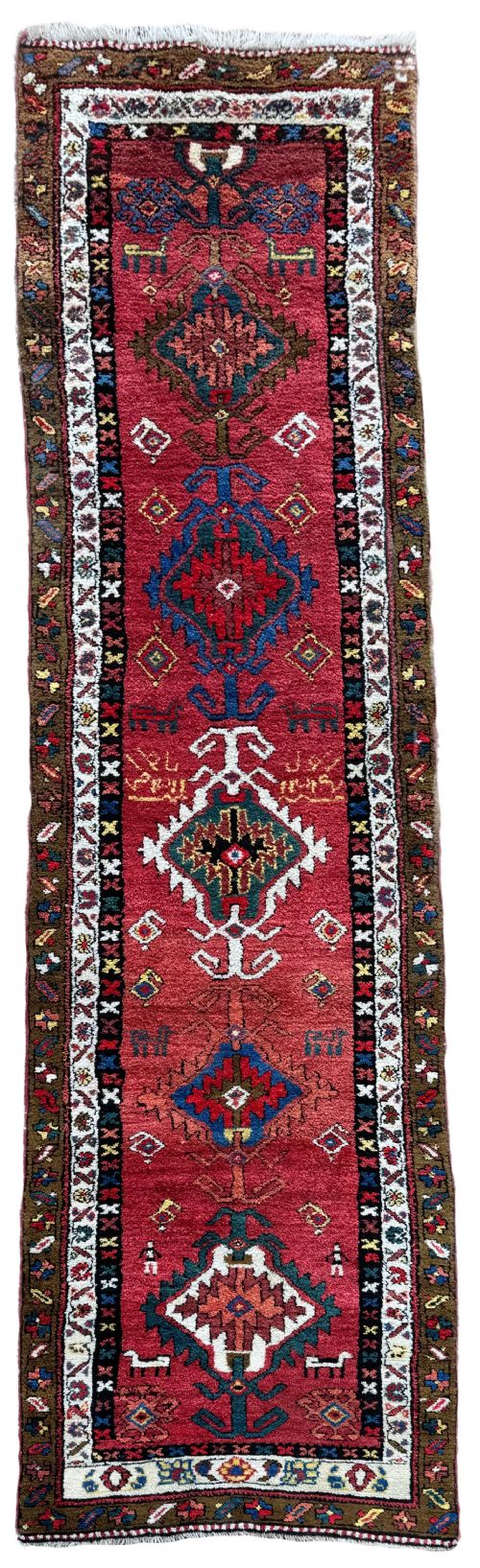
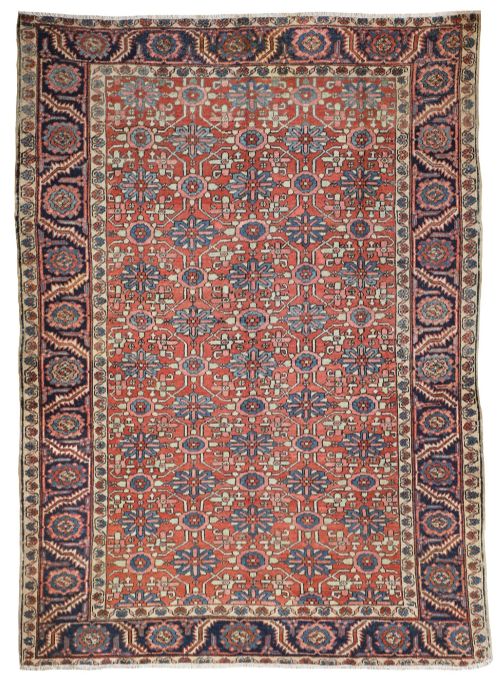
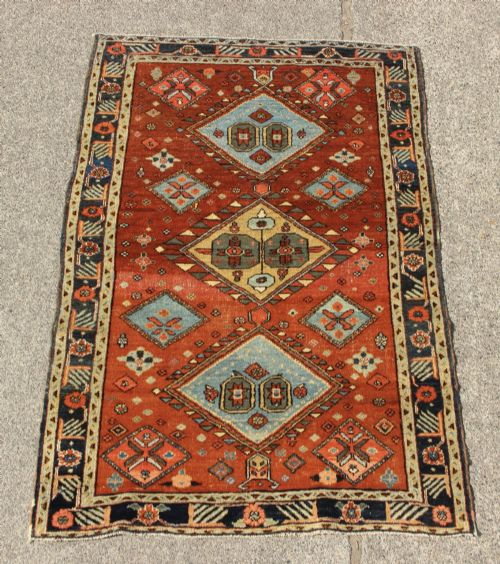
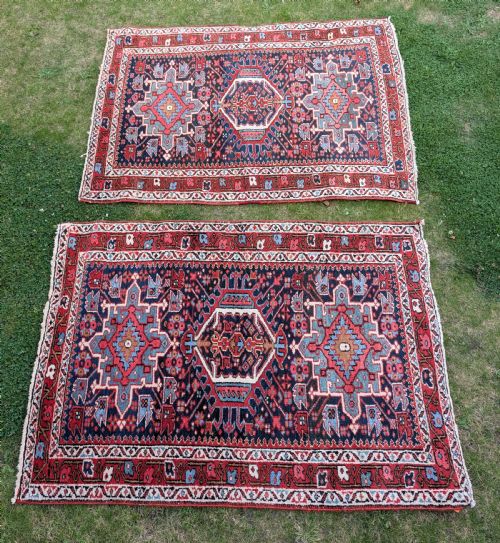
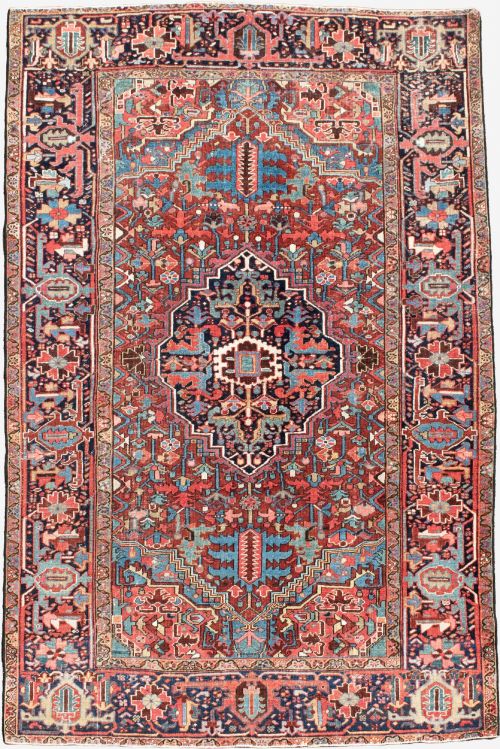
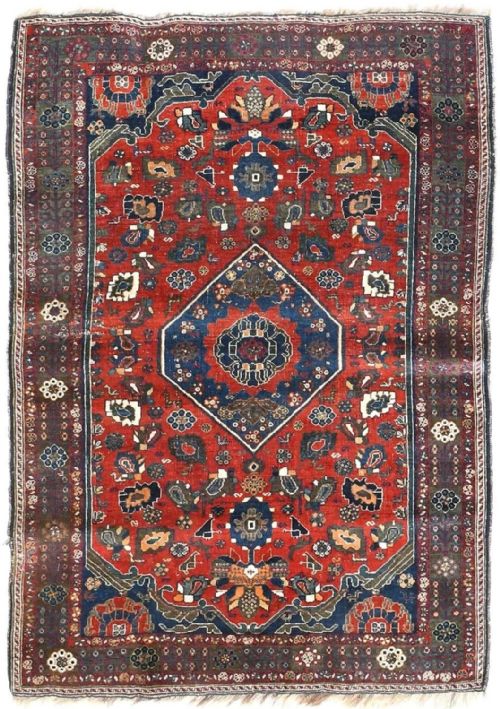
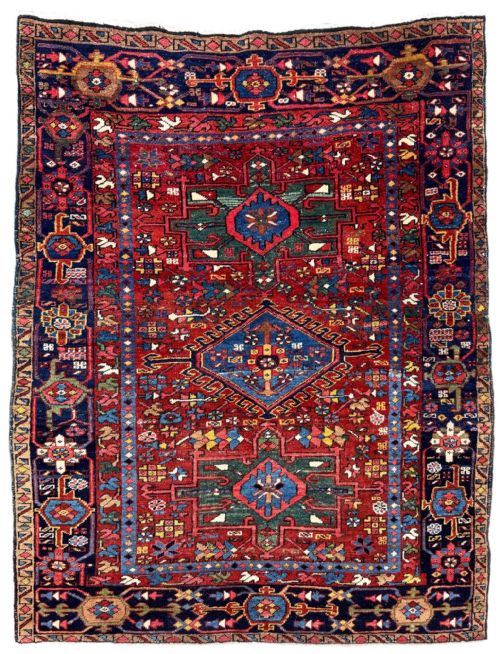
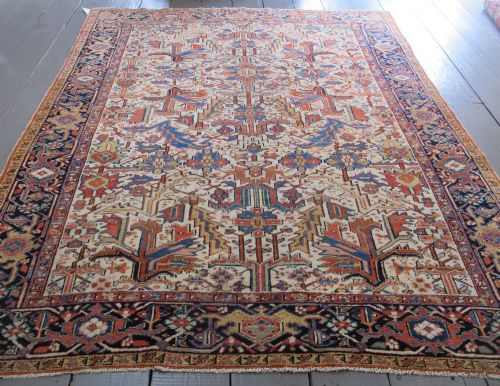
A handwoven heriz rug brings enduring geometric patterns and robust North-West Persian craftsmanship into a room. Buyers searching for a handwoven heriz rug encounter large carpets, square formats, and long hallway runners dating from the late nineteenth century into the twentieth century. These textiles originate from the Heriz region and nearby weaving centres, featuring traditional medallion layouts alongside tribal designs.
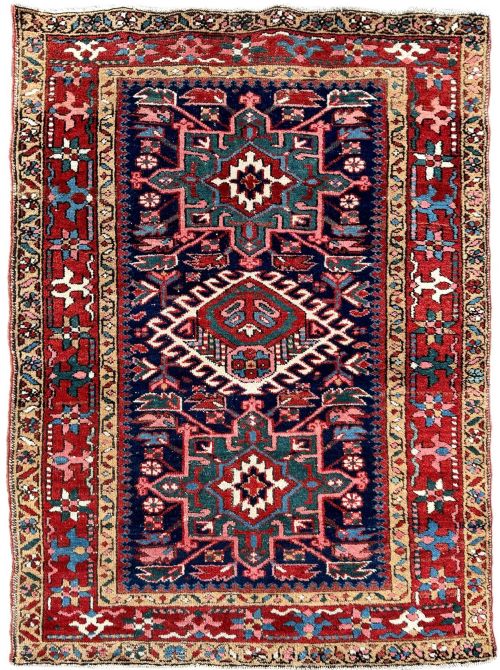
Smaller formats such as bag faces and compact area rugs appear alongside room-sized carpets and narrow runners. The selection spans the 1880s through the 1930s, encompassing styles noted as Persian Heriz, Serapi, and Karaja. Most examples rely on heavy wool piles knotted onto cotton foundations, designed to withstand generations of domestic floor use.
How they were made
Weavers constructed these pieces using wool for the pile and cotton for the structural warp and weft threads. Hand-knotting techniques created dense, resilient surfaces capable of enduring heavy foot traffic over decades.
Natural and early synthetic dyeing methods produced rich grounds in ivory, red, and blue tones. The resulting textiles combined geometric medallions with angular floral motifs specific to North-West Persian workshops.
Handwoven Heriz Rug Retail Price Guide 2026
Typical asking prices for handwoven heriz rug among the pieces listed under this phrase on Sellingantiques today, from the lower quarter to the upper quarter. They describe what is for sale here now, not the wider market.
Several pieces started life as nomadic storage sacks before ending up on grand dining room floors.
What varies in quality
Knot density and wool quality determine the crispness of the geometric design and the handle of the pile. Finer examples display precise drawing within the central medallions and corners, while sturdier utility weaves focus on thick, heavy wool construction.
The integrity of the cotton foundation and the uniformity of the wool pile separate room-sized carpets from standard runners. Original side cordings and preserved end finishes distinguish well-maintained rugs from heavily restored pieces.
The Handwoven Heriz Rug Glossary
- Heriz rug
- A handwoven floor covering originating from the Heriz district in North-West Persia, known for bold geometric medallions and durable wool construction. These rugs date from the nineteenth and twentieth centuries.
- Serapi
- An older classification of carpet from the Heriz region, typically featuring more open designs and subtle colour palettes dating to the late nineteenth century. Collectors prize these for their spacious compositional balance.
- Karaja
- A regional rug type closely related to Heriz weaving, often displaying smaller geometric repeat patterns or multiple medallions. They share the same wool materials and North-West Persian origins.
- Bag face
- The decorated front portion of a tribal storage sack, woven as a smaller panel. These survive as compact rugs displaying authentic village designs.
- Runner
- A long, narrow carpet format designed for hallways and corridors. These pieces measure significantly longer than their width to fit confined spaces.
Handwoven Heriz Rug: Frequently Asked Questions
How do I clean an old rug?
Gentle surface brushing and professional specialist washing preserve the wool pile and cotton foundation. Avoid harsh chemical treatments that damage natural dyes.
Regular light vacuuming without a rotating power head prevents dust accumulation in the pile.
Are these rugs durable enough for hallways?
The sturdy wool construction and dense knotting make these runners suitable for heavy domestic traffic. Traditional Heriz weaving was specifically designed for practical household use.
Underlays provide additional grip and reduce friction against hard flooring surfaces.
What is the difference between Heriz and Serapi?
Serapi carpets represent an earlier nineteenth-century style with broader, more open geometric layouts. Heriz rugs generally feature denser, more structured medallion designs from later decades.
Both originate from the same North-West Persian weaving region.
How do I date an antique rug?
Dating relies on stylistic markers, structural materials, and structural characteristics recorded across pieces from the 1880s to the 1930s. Colour palettes and knotting techniques provide reliable chronological clues.
Comparative analysis with documented archive pieces confirms the approximate period of manufacture.