



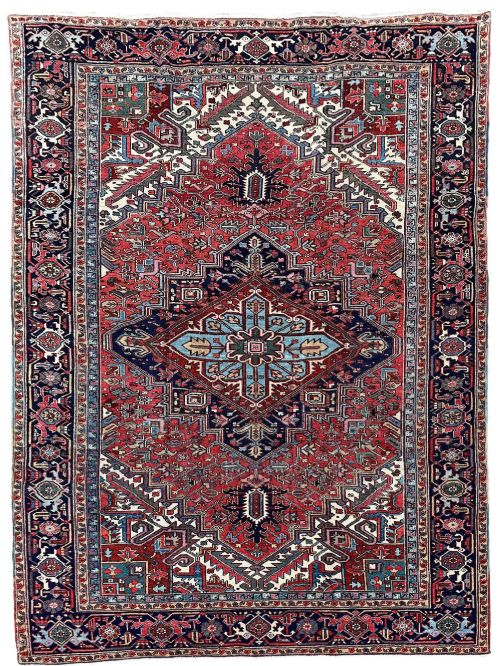
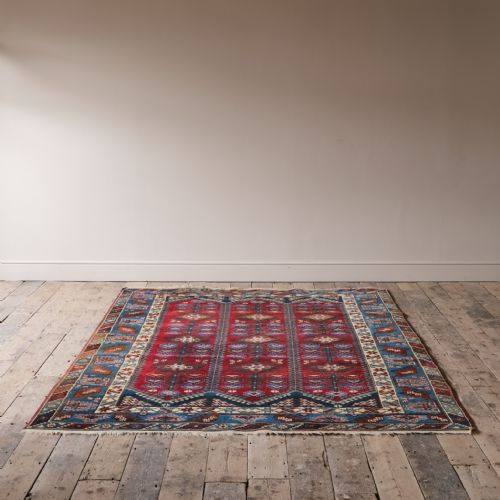
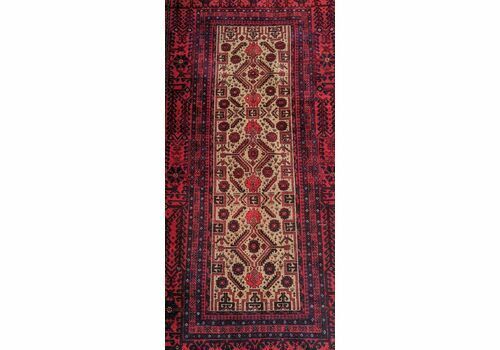
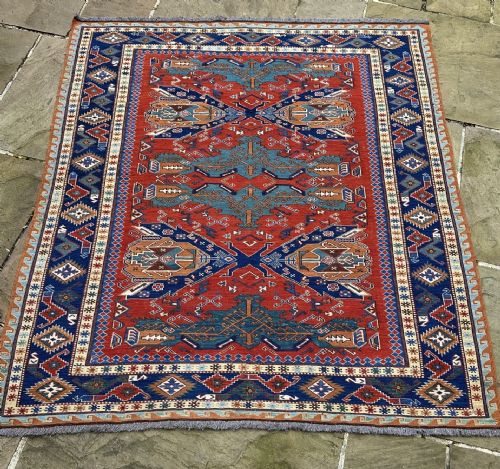

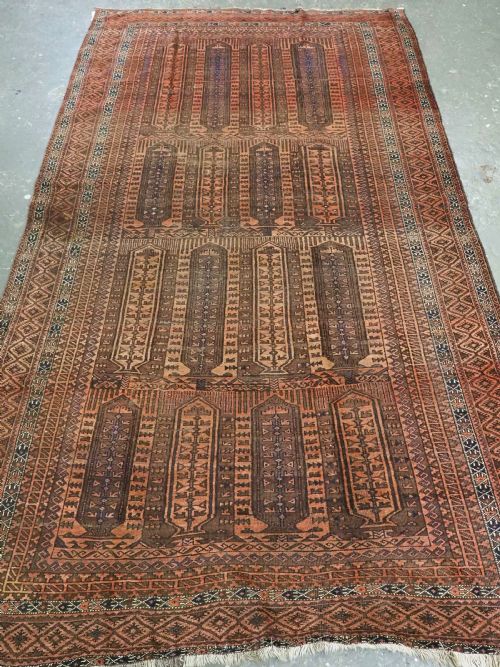
Handwoven Geometric Rug
A handwoven geometric rug brings tactile depth and structured pattern to a room through tribal designs rooted in Persian, Caucasian, and Anatolian traditions.
Handwoven Geometric Rug
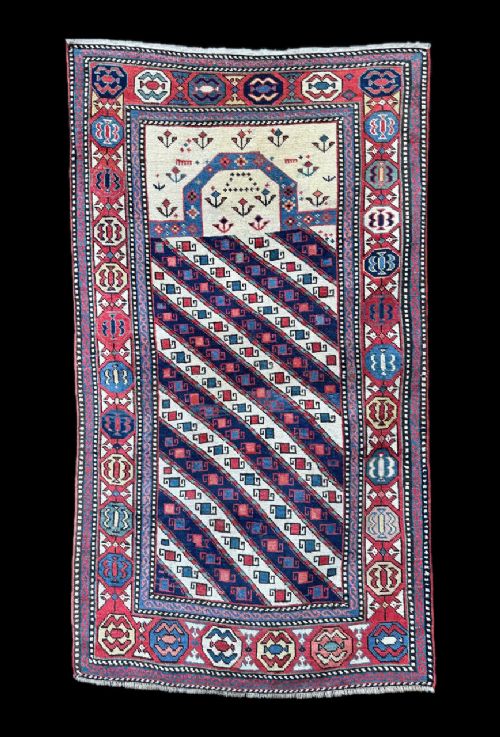
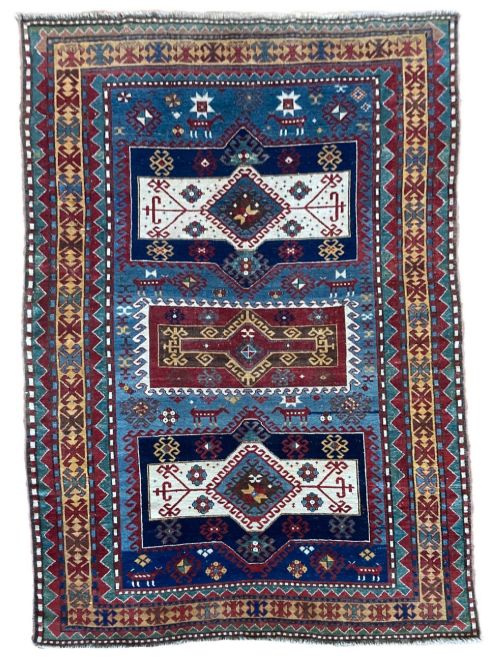
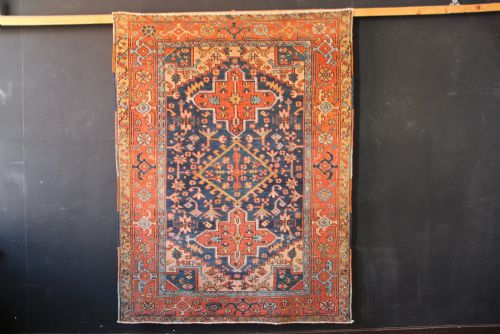
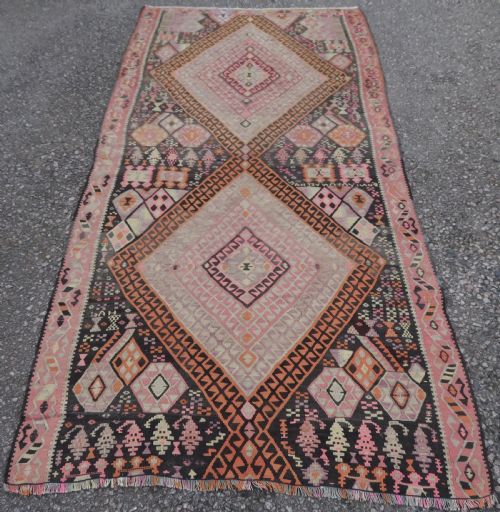
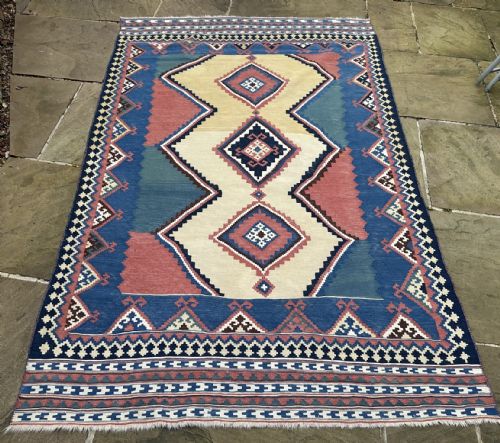
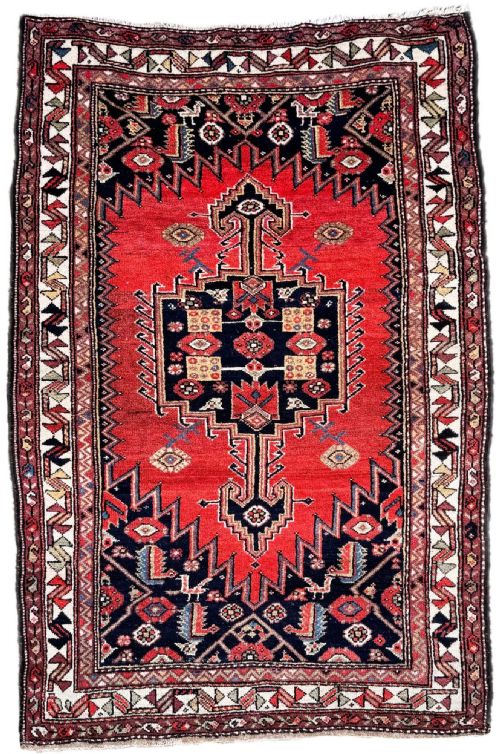
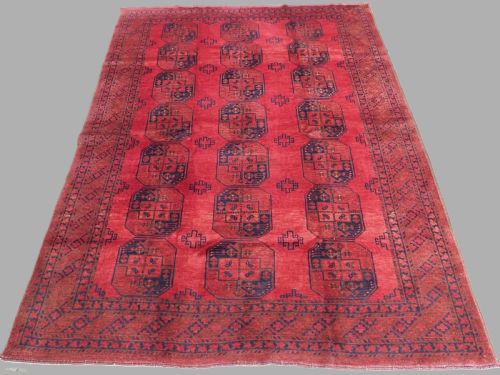
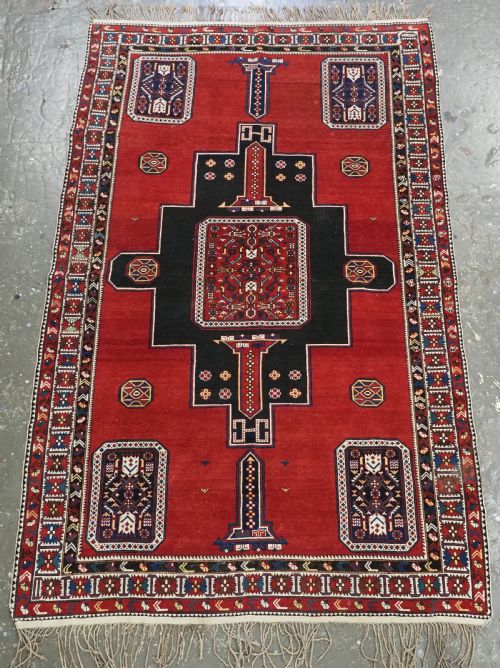
A handwoven geometric rug encompasses floor coverings and flatweaves originating from tribal and village workshops across the Caucasus, Persia, Afghanistan, Turkey, and Morocco. These textiles range from room-size carpets and runners down to compact scatter rugs, saddle bags, and cushions.
The versions most commonly met on this page date from the nineteenth and twentieth centuries, spanning periods from the eighteen-fifties to the nineteen-fifties. They display distinct regional motifs such as medallions, cruciforms, and angular repeating patterns passed down through generations of weavers.
Makers include various tribal groups and village confederacies, such as the Heriz, Kazak, Yomut, Qashqai, and Luri peoples. Each group utilised specific palettes and compositional structures that identify the geographical origin of the textile.
Materials and construction
The primary materials recorded are wool and cotton, alongside natural dyes and hand-spun wool used for the pile and foundations. Certain Moroccan examples incorporate cactus silk and sabra fibre to achieve a distinct texture.
Weavers constructed these pieces using traditional hand-knotting and flatweave techniques on vertical or horizontal looms. The employment of natural dyestuffs produces varied tonal shifts across the surface of the textile over time.
Handwoven Geometric Rug Retail Price Guide 2026
Typical asking prices for handwoven geometric rug among the pieces listed under this phrase on Sellingantiques today, from the lower quarter to the upper quarter. They describe what is for sale here now, not the wider market.
Saddle bags and utility pouches woven by nomadic groups now serve as compact decorative cushions for modern interiors.
Quality and execution
Quality rests in the precision of the tribal design, the handling of the wool, and the depth of the natural dyes. Tighter knot density and finer spinning yield a more resilient structure that alters gracefully with age.
The clarity of the geometric motifs and the balance of the regional palette separate standard village pieces from exceptional tribal examples. Well-executed pieces display deliberate spacing and harmonious colour interactions across the field.
The Handwoven Geometric Rug Glossary
- Flatweave rug
- A textile produced without a knotted pile by intermingling warp and weft threads to create a flat surface. These pieces are often lighter in weight than knotted carpets.
- Prayer rug
- A small format textile featuring a mihrab or niche design, traditionally used for individual daily prayers. The orientation of the design guides the placement during use.
- Soumak
- A specific brocade-like flatweaving technique where decorative threads are wrapped over and under the warp threads. This method creates a durable structure with a textured, braided appearance on the face.
- Runner
- A long, narrow carpet format designed for corridors, hallways, or staircases. These pieces repeat geometric motifs along a linear axis to fit confined spaces.
- Natural dyes
- Colourants derived from plant, insect, and mineral sources rather than synthetic chemicals. These dyes yield subtle tonal variations and patinate richly with age.
Handwoven Geometric Rug: Frequently Asked Questions
How do I clean a vintage wool rug?
Gentle surface vacuuming without a beater bar removes loose dirt from the wool fibres safely. Professional specialist cleaning remains essential for addressing deeper soil without damaging natural dyes or foundational threads.
Water saturation and harsh chemical detergents must be avoided to prevent colour bleeding and fibre degradation. Allowing adequate airflow during drying preserves the structural integrity of the handwoven materials.
Where should I place a runner rug?
Narrow hallway spaces and corridors provide ideal settings for linear runners to protect flooring while introducing patterned texture. Kitchens and entryways also accommodate these formats effectively when paired with an appropriate underlay.
Measuring the clearance for doors ensures the thickness of the weave does not obstruct movement. Positioning the piece away from continuous harsh sunlight helps maintain the stability of the natural dyes.
How can I tell a tribal rug from a city piece?
Tribal rugs typically display asymmetrical layouts, bold geometric medallions, and simpler, memory-based motifs rather than precise floral curves. The wool often feels heavier and less uniform due to hand-spinning techniques employed in village environments.
Regional palettes in tribal pieces tend to rely on saturated reds, indigos, and ivories derived from local natural dye sources. Minor irregularities in the borders and straight lines reflect the individual hand of the weaver.
Can I use scatter rugs on top of carpets?
Layering smaller scatter rugs over fitted carpets adds visual warmth and defines specific zones within a larger living space. A suitable non-slip rug pad underneath prevents shifting and reduces friction between the two textile layers.
Heavier traffic areas require secure placement to avoid buckling or tripping hazards over time. Periodic rotation of the layered piece ensures even wear patterns across the wool pile.