
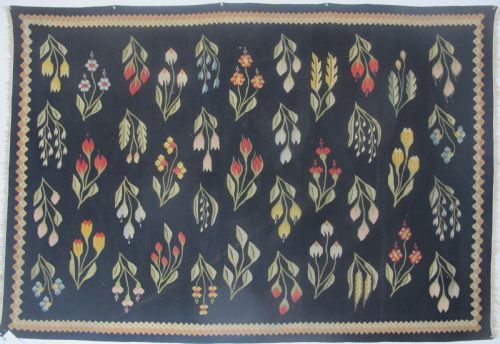
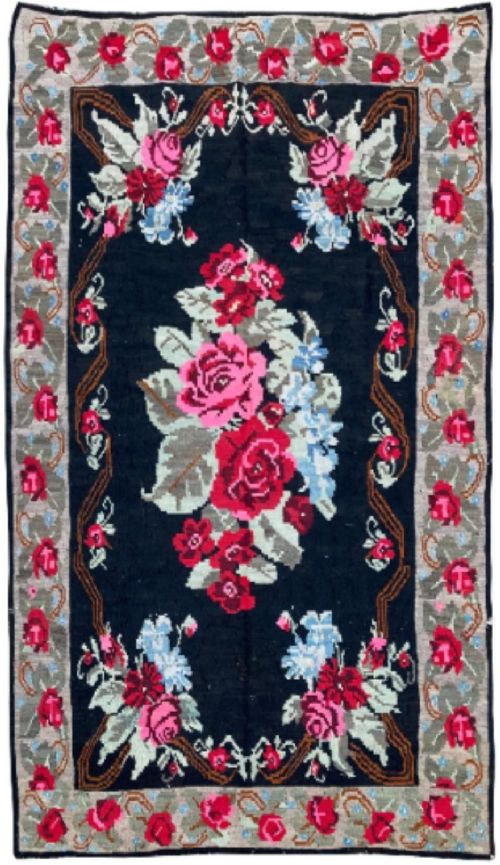
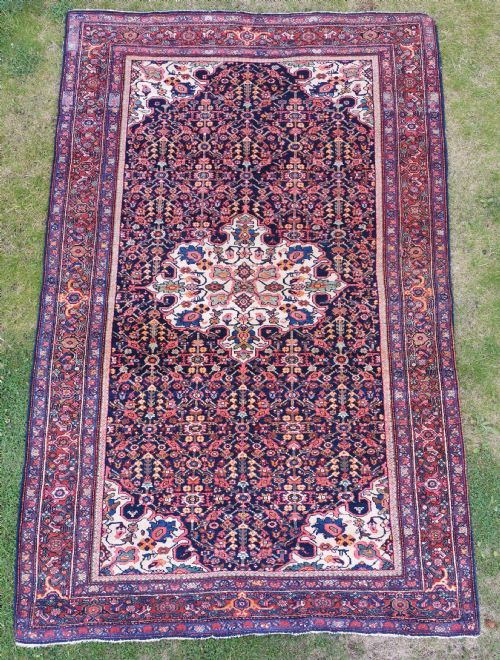
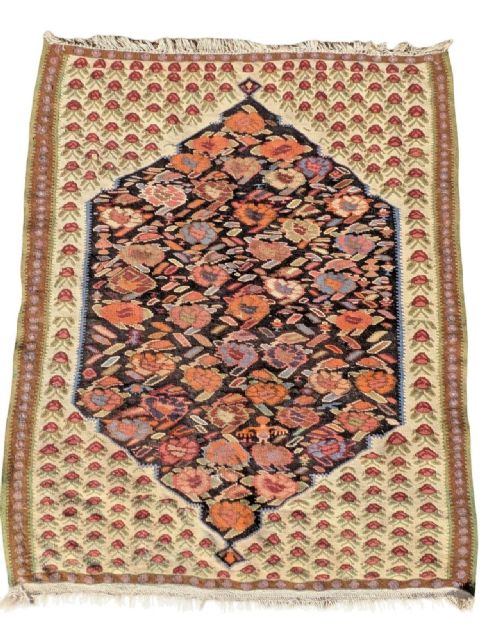
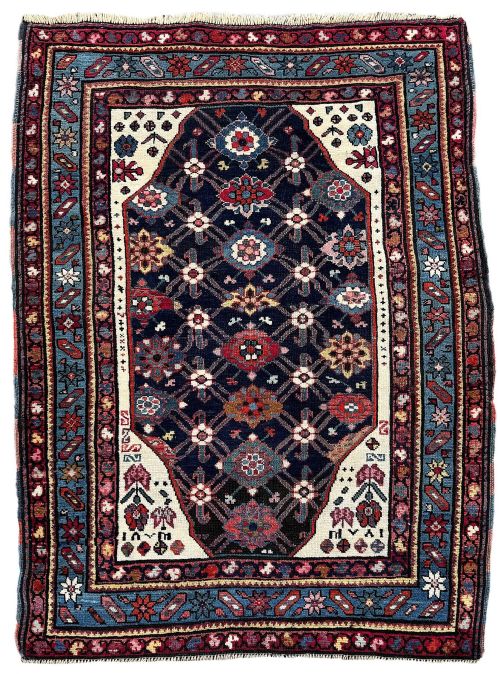
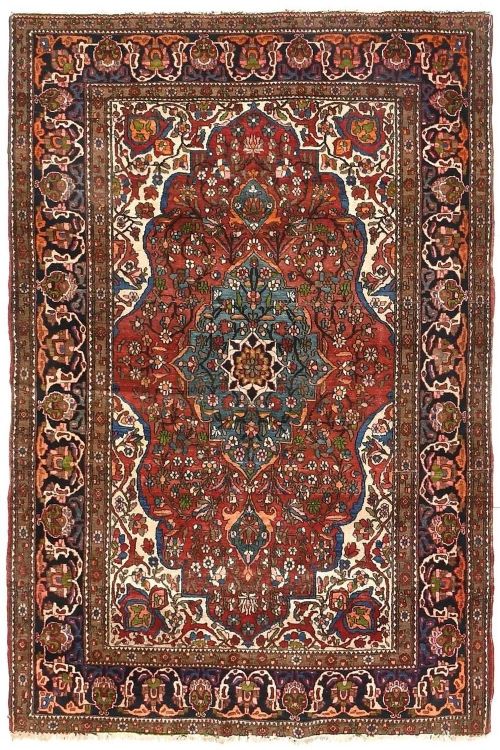
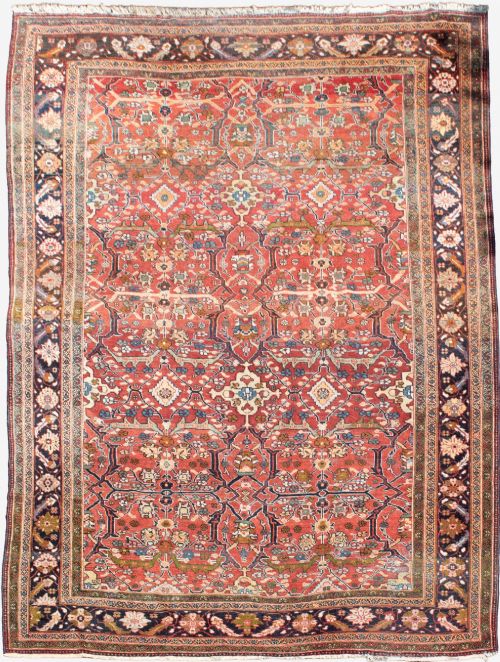
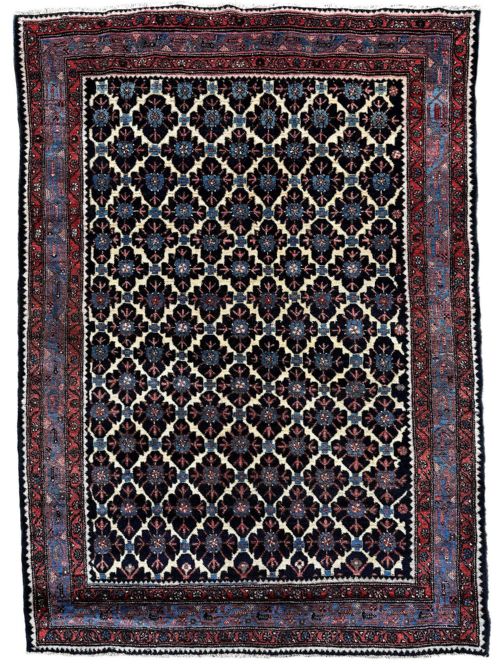


Handwoven Floral Wool Rug
These handwoven floral wool rug examples bring historical floor coverings spanning decades into domestic spaces through patterned wool and traditional weaving techniques.
Handwoven Floral Wool Rug
A handwoven floral wool rug brings together floor coverings made across diverse workshops and regional traditions, spanning from the late nineteenth century into the mid-twentieth century. Buyers encounter pieces originating from Persian weaving centres alongside examples originating in Eastern European folk art traditions.
The assortment contains distinct formats ranging from small prayer mats and area rugs to large carpets and flatwoven kilims. Persian village and city weaves sit alongside Bessarabian and Caucasian pieces, creating a broad spectrum of botanical motifs and regional designs.
Materials and construction
Makers utilised wool as the primary pile or flatweave material, often supported by cotton warps and wefts to provide structural stability. Silk and linen appear less frequently, whilst canvas and leather support specific conservation or backing needs.
Weavers employed knotting techniques for piled carpets and flatweaving methods for kilims and tapestries, incorporating dyed wool yarns to render floral and medallion layouts.
Several textiles feature stylised floral vases that appear to defy botanical gravity with cheerful abandon.
Judging execution and material
Quality rests on the density of the weave and the precision with which botanical motifs are rendered across the field. Tighter knots and finer flatweaving allow complex floral sprays and medallions to hold crisp outlines.
The depth and stability of natural or early synthetic dye combinations determine the visual coherence of the piece. Balanced colour saturation and careful handling of wool fibres separate standard village production from finer workshop output.
The Handwoven Floral Wool Rug Glossary
- Kilim
- A flatwoven textile produced without a pile, common in Eastern European and Caucasian regions. These pieces rely on interlocking weft techniques to create geometric and floral patterns.
- Medallion
- A central ornamental motif placed in the middle of the rug field. This design element organises the surrounding floral and geometric elements.
- Prayer rug
- A small format textile featuring a mihrab or arch design indicating orientation. Makers historically tailored these for devotional use.
- Warp
- The vertical threads stretched upon a loom before weaving begins. Weavers build the entire structure upon this foundation.
- Weft
- The horizontal threads passed through the warps to bind the textile together. In piled rugs, these threads cross between rows of knots to secure the pile.
Handwoven Floral Wool Rug: Frequently Asked Questions
How do I clean a vintage wool rug?
Regular gentle vacuuming without a beater bar removes surface dust and loose particles from the wool pile. Professional specialist cleaning remains necessary for deeper maintenance to protect natural fibres and dyes.
Water saturation and harsh chemical detergents risk damaging the foundation threads and causing colour migration. Consult a textile conservator for specific care instructions tailored to older weaves.
Where were these rugs made?
The inventory encompasses pieces from Persian centres such as Tabriz, Kashan, Isfahan, Heriz, and Mahal. Other examples originate in Eastern European and Caucasian locations including Bessarabia and Karabagh.
Regional workshops utilised local materials and distinct aesthetic traditions, resulting in wide variations in palette and structural technique.
Can I place these rugs in high traffic areas?
Sturdier wool carpets and dense pile rugs tolerate moderate foot traffic in hallways or living rooms. Lighter flatweaves and older tapestries benefit from placement in lower traffic spaces to reduce fibre wear.
Using a quality rug underlay prevents slipping and cushions the wool against hard flooring surfaces, extending the functional lifespan of the textile.
How do I determine the age of a rug?
Stylistic indicators, structural materials, and dye types help narrow down the production period. Examining the wear patterns and knot structure provides additional clues regarding the decade of manufacture.
Comparative analysis with documented regional pieces helps establish a reliable chronological bracket for each textile.