


Handwoven Crimson Carpet
A handwoven crimson carpet brings deep, warm tones and intricate tribal geometry into a room, grounding the space with centuries of textile tradition.
Handwoven Crimson Carpet
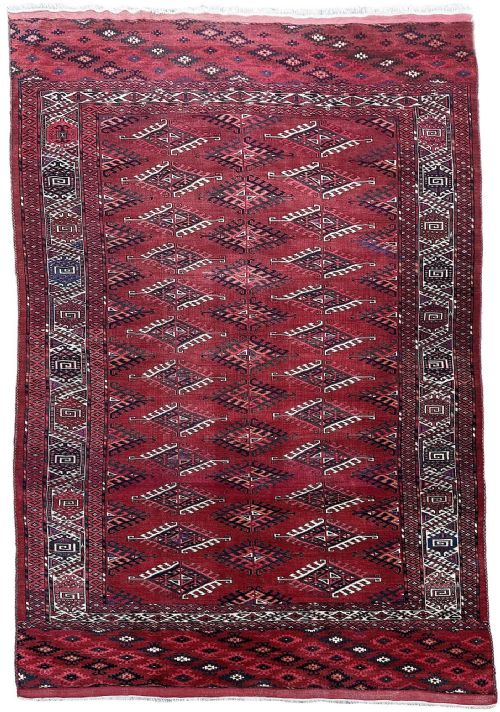
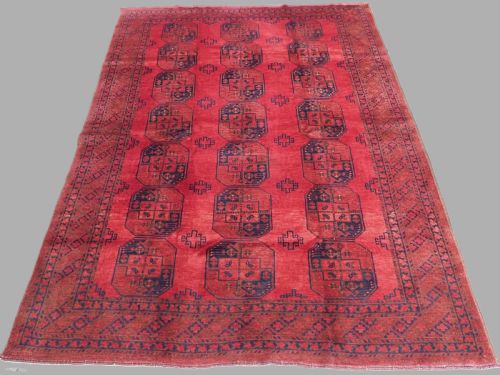
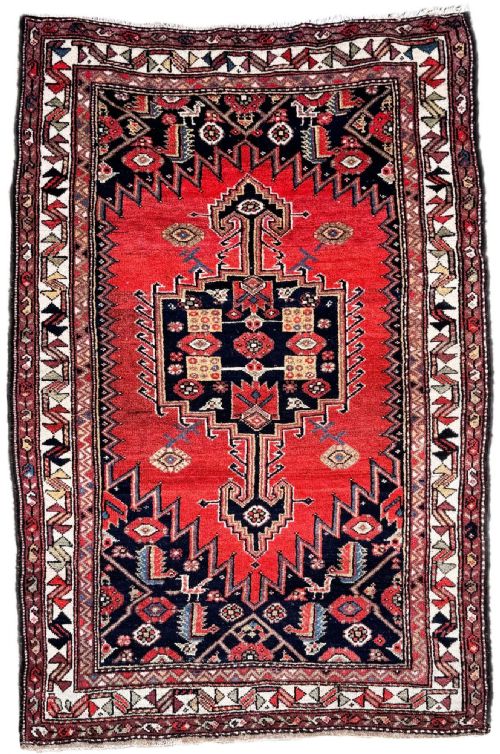
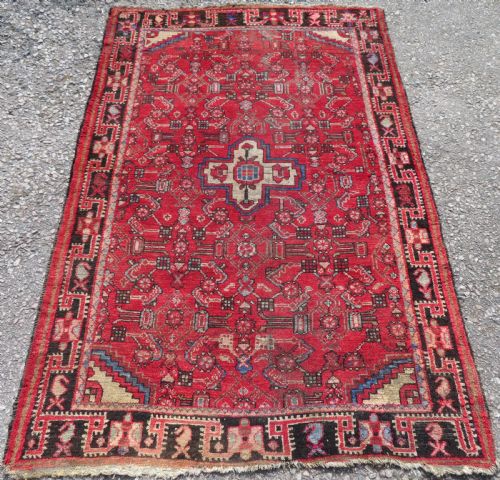
When searching for a handwoven crimson carpet, buyers encounter a rich assortment of tribal and village floor coverings originating from Persia, Anatolia, and Central Asia. These textiles span the late nineteenth and early twentieth centuries, capturing traditional weaving methods that prioritize durability alongside striking red and crimson hues.
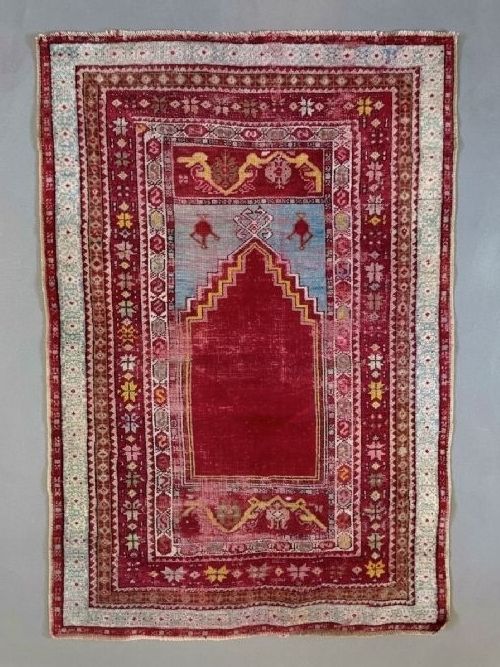
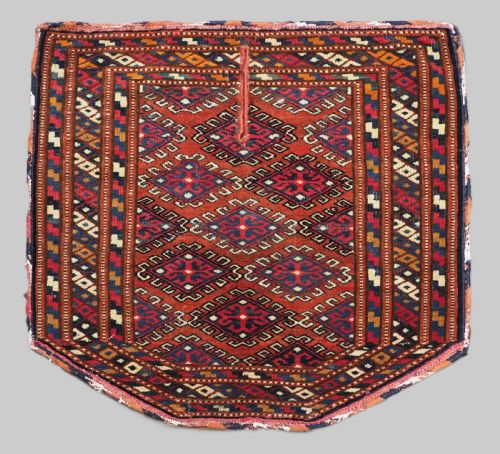
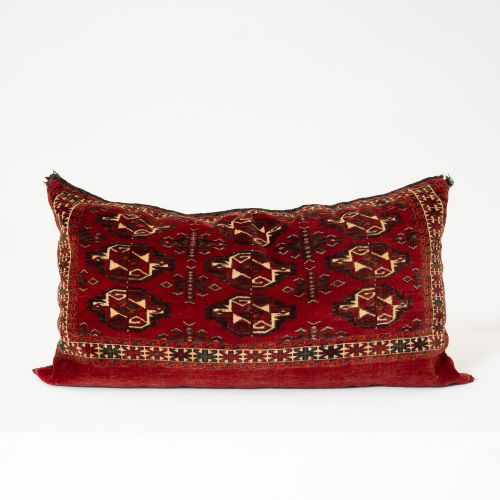
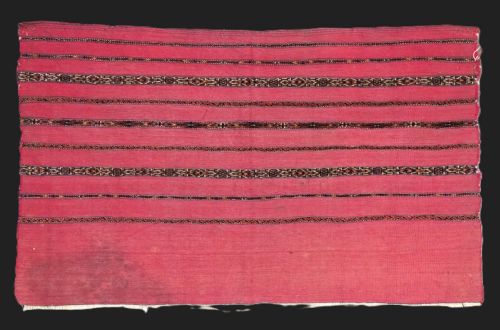
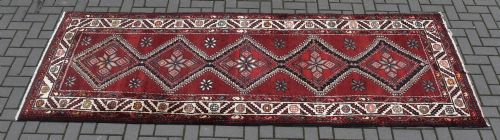
The selection on this page centres heavily on Persian workshops and Turkmen tribal groups, featuring formats that range from large room-sized carpets down to village rugs, prayer rugs, saddle covers, and storage bag faces. Pieces attributed to Yomut, Tekke, Ersari, and Saryk tribes sit alongside Heriz, Hamadan, and Isfahan city formats, offering diverse geometric and medallion motifs.
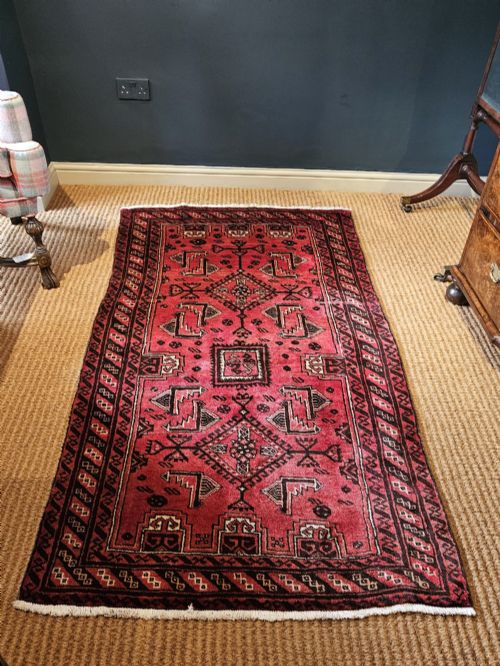
Buyers are most likely to meet dense wool pile constructions from the decades around nineteen hundred, where deep madder reds dominate the visual field. These floor coverings bridge practical utility and folk art, offering heavy-duty resilience suited to modern interior spaces.
How they were made
The construction of these floor coverings relies on hand-spun wool and cotton foundations, utilising sturdy knotting techniques that lock the pile tightly against wear. Natural dyes, particularly rich madder-based reds, provide the enduring crimson palette that defines these textiles.
Weavers employed wool and occasional silk details on cotton or wool warps and wefts, creating structures that range from the fine weave of Tekke dowry rugs to the heavy-duty utility of Afghan village carpets. The integration of hand-spun materials ensures that the pile absorbs dye unevenly in subtle, pleasing ways, developing depth over decades of use.
The listings feature pieces spanning from eighteen sixty through to nineteen thirty, encompassing nineteenth-century Turkmen tribal work and early twentieth-century Persian city formats.
What varies in quality
Quality in these textiles rests upon the density of the knotting and the precision of the geometric or floral layout. Finer weaves allow for sharper definition in tribal guls and medallion borders, marking the difference between standard utilitarian pieces and finer dowry items.
The integrity of the wool and the depth of the natural dye palette also dictate the standing of a piece. Hand-spun wool retains natural lanolin that resists dirt and preserves the vibrancy of the crimson ground, whereas inferior or later wool selections lack the same tactile weight and resilience.
The Handwoven Crimson Carpet Glossary
- Gul
- A primary octagonal medallion motif frequently repeated across Turkmen carpets and bag faces. These tribal emblems often denote specific regional lineages.
- Madder
- A natural plant dye extracted from the roots of Rubia tinctorum, responsible for the deep crimson and brick red tones seen throughout these textiles.
- Torba
- A small storage bag or hanging trapping produced by nomadic tribes for domestic use inside tents. They frequently feature elaborate face designs with guls.
- Mihrab
- A niche design element found primarily on prayer rugs, representing the direction of prayer. It typically frames the central field with pointed arches or rams horn motifs.
Handwoven Crimson Carpet: Frequently Asked Questions
How do I clean a vintage wool rug?
Vacuum gently without using a rotating brush roll to protect the pile and foundation. Professional cleaning tailored to antique textiles remains the safest option for addressing deeper dirt.
Avoid soaking the piece or applying harsh chemical detergents that might strip the natural dyes from the wool. Promptly blot liquid spills with a clean, dry cloth rather than rubbing the fibres.
Can I place these carpets in high traffic areas?
Many village and nomadic floor coverings were constructed specifically for heavy daily use. Sturdy wool pile and dense knotting allow them to endure hallway or living room foot traffic.
Consider adding a quality underlay to prevent slipping and cushion the foundation against hard flooring. This reduces internal friction between the warp and weft threads over time.
What is the difference between a rug and a carpet?
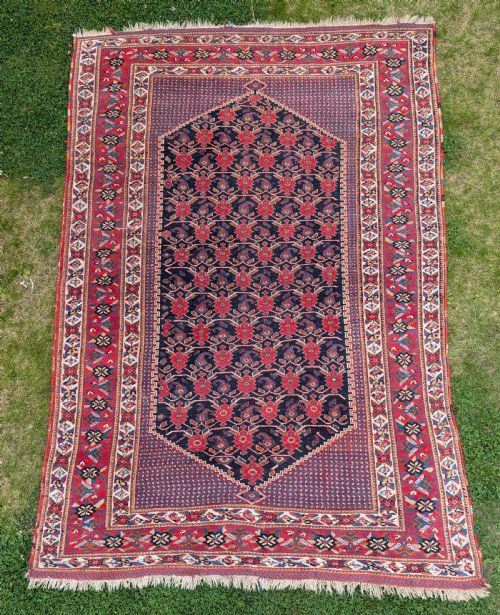
Size and intended placement generally separate the two terms within textile collecting. Carpets traditionally span larger floor dimensions designed to anchor an entire room.
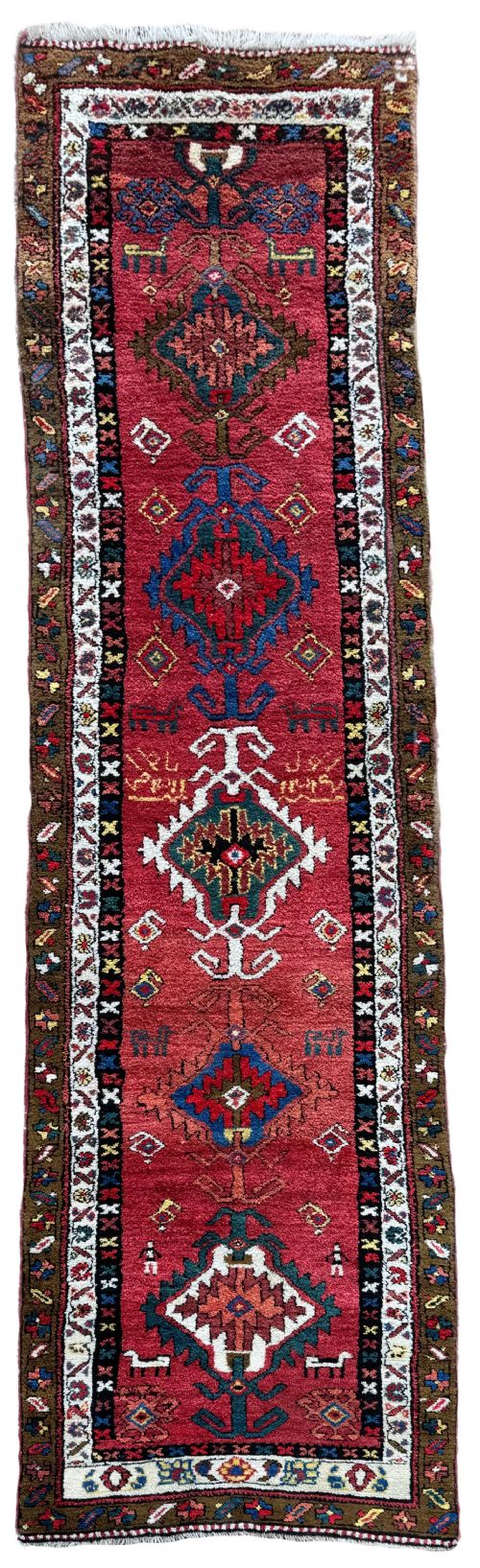
Rugs cover smaller areas, while runners serve narrow spaces such as hallways and staircases. Specialised pieces like saddle covers and bag faces fulfil entirely different nomadic functions.