



Handmade Wool Carpet
These handmade wool carpet examples bring genuine tribal textile heritage into a room, offering tactile warmth and historic patterning.
Handmade Wool Carpet
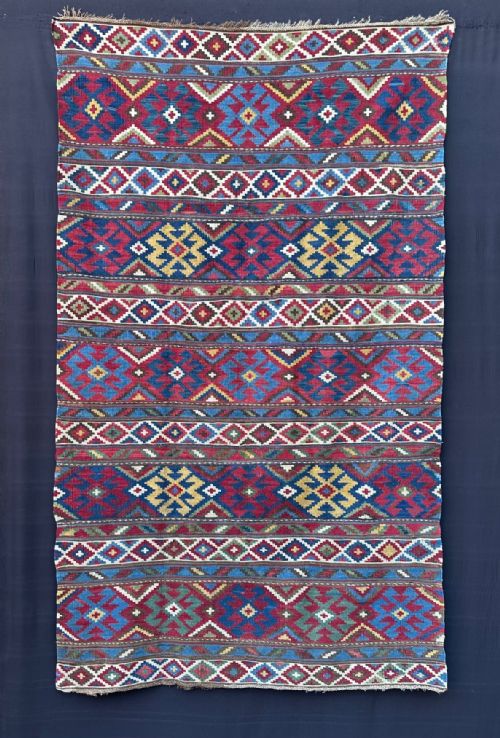
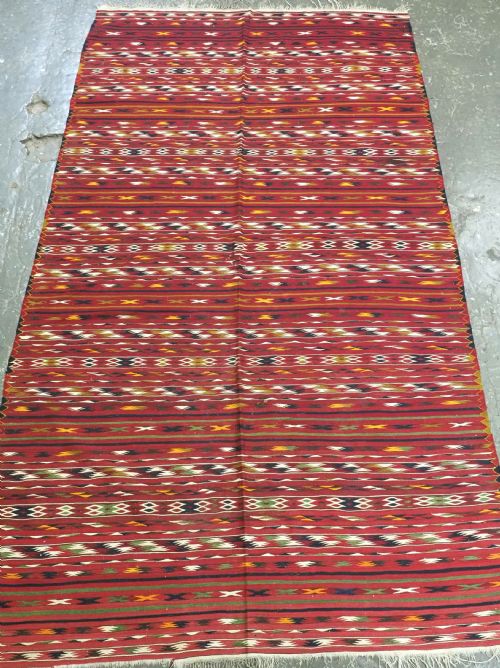
A handmade wool carpet search brings up an array of tribal and village floor coverings originating from nineteenth and early twentieth century weavers. These pieces encompass regional styles such as Turkmen, Persian Heriz, Caucasian, and Qashqai works that served practical functions in tents and homes.
The most common formats on this page are small rugs, village carpets, tribal textiles, and specific items like chuval faces, torbas, kilims, and salt bags. They showcase traditional iconography, geometric motifs, and regional wool manipulation passed down through generations of makers.
Periods represented across the selection stretch from the mid-nineteenth century through the nineteen-thirties, documenting distinct regional dyeing traditions and tribal weaving structures. Each handmade wool carpet reflects the specific aesthetic vocabulary of the Caucasus, Persia, Anatolia, or Central Asia.
Materials and Construction
The foundational structure relies heavily on natural fibres, combining wool pile with cotton warp threads or sometimes pure wool foundations. Certain pieces incorporate hand-spun wool and goat hair to achieve varied textures and structural durability across the field.
Weaving techniques vary from flat-woven kilims and chain stitch embroidery to dense pile knots, sometimes constructed in separate strips and joined together like the Uzbek yurt rugs. Natural dye sources provide the characteristic palette seen across these nomadic and village textiles.
Regional styles represented include Persian Heriz, Turkmen tribal work, Caucasian Shirvan pieces, and Anatolian prayer rugs.
Distinctions in Quality
Quality reveals itself in the density of the weave and the precision with which the tribal motifs are executed. Finer knots and tighter handling allow complex geometric guls and medallion designs to hold their geometric sharpness.
The choice of materials and the handling of natural dyes also set examples apart. Hand-spun wool paired with thoughtful colour saturation creates depth within the pile that simpler commercial dyes cannot replicate.
The Handmade Wool Carpet Glossary
- Gul
- A primary octagonal medallion motif frequently found in Turkmen tribal weaving. These repeated patterns identify specific tribal groups and sub-tribes.
- Kilim
- A flat-woven carpet or textile produced without a pile. This technique creates a lightweight fabric utilised for floor coverings and storage bags.
- Warp
- The vertical foundation threads stretched lengthwise on the loom before weaving begins. Cotton warp threads provide structural stability to many Persian and Turkmen rugs.
- Chuval
- A large tribal storage bag face produced by Turkmen nomads. These decorative panels often feature rows of guls and fine weave construction.
- Ensi
- A cross-panel rug traditionally hung at the tent door by Turkmen nomads. The design layout typically divides the field into four distinct quadrants.
Handmade Wool Carpet: Frequently Asked Questions
How do I identify a Turkmen rug?
Look for characteristic deep red grounds paired with repeating octagonal gul motifs and geometric borders. These nomadic pieces often display precise secondary detailing in wool and cotton.
Examine the back of the textile to check the knot density and the structural use of hand-spun wool or goat hair. Regional variations in the guls help separate Tekke, Yomut, and Saryk examples.
Where were these tribal carpets made?
The pieces originate from nomadic and village communities across Central Asia, the Caucasus, Persia, and Anatolia. Key regions include Shirvan, Karadja, Heriz, and Hamadan.
Weavers in these areas utilised locally sourced sheep wool, cotton, and occasionally goat hair. Each geographic pocket developed distinct tribal designs that persist in the surviving textiles.
What is a flat-woven kilim?
A kilim is a pileless textile created by tightly interweaving the warp and weft threads to produce a flat surface. This technique allows sharp geometric patterns to appear clearly on both sides.
Nomadic groups used these durable textiles for floor coverings, horse covers, and storage furnishings. Their construction makes them lighter than knotted pile carpets.
How should I care for an antique wool carpet?
Protect the natural wool fibres by keeping the carpet out of direct, harsh sunlight to prevent dye fading. Gentle, regular vacuuming without a rotating brush roll helps remove embedded dust.
Allow air circulation underneath the textile and consult a specialist experienced in antique oriental rugs for professional cleaning. Avoid harsh chemical spot treatments on natural dyes.
What does a medallion design signify?
A central medallion represents a focal point in the composition of Persian and village carpets such as those from Heriz or Karadja. These structural centrepieces organise the surrounding floral or geometric field.
The complexity and scale of the medallion often reflect the weaving traditions of the specific village or workshop. Master weavers used these anchor shapes to balance the symmetry of the border systems.