


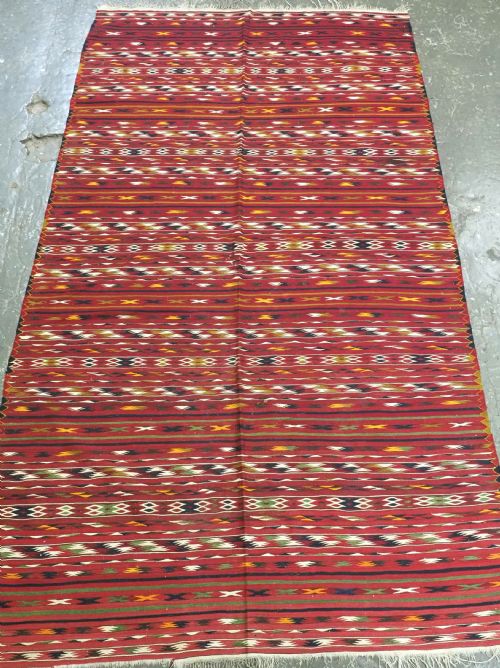


Handmade Nomadic Rug
These handmade nomadic rug pieces are woven textiles created by tribal makers, offering authentic traditional designs for your floor.
Handmade Nomadic Rug
A handmade nomadic rug covers various woven forms produced by tribal groups, including rugs, torba faces, chuval faces, and salt bags. When searching for a handmade nomadic rug, you will frequently encounter pieces originating from Central Asian, Baluch, Turkmen, and Qashqai tribal traditions.
The selections span distinct historical periods from the late nineteenth century into the early twentieth century, specifically dating around 1880, 1890, 1900, and 1910. These items reflect regional practices across Persia, Afghanistan, and wider Central Asia, showcasing specific tribal identities through traditional formats like kilims, ensis, and yurt rugs.
How they were made
These textiles rely primarily on wool foundation and pile materials, occasionally incorporating goat hair and cotton for specific structural elements or white highlights. Weavers construct yurt rugs in multiple woven strips, while other items utilise very fine weaves to achieve dense, durable surfaces.
The construction methods draw on traditional tribal knowledge passed through generations in regions such as Khorassan, Fars Province, and Western Afghanistan. Artisans employ traditional knotting and flatweaving techniques to create utilitarian objects and decorative panels that double as functional household items.
Current listings feature materials including wool, cotton, and goat hair across periods dating from 1880 to 1910.
What varies in quality
Quality in these textiles depends on the tightness of the weave and the precision of the tribal motifs, such as guls, kedjebe designs, or salor turrets. Finer weaves demonstrate greater technical skill from the weaver and contribute to a more durable structure.
The integrity of the natural materials, including the condition of the wool, goat hair, and cotton components, also distinguishes different examples. Consistency in regional dyeing practices and the preservation of the original format further influence the standing of each piece.
The Handmade Nomadic Rug Glossary
- Chuval
- A large tent bag used by Turkmen nomads for storage inside a yurt. These pieces often feature rows of guls.
- Torba
- A smaller storage bag hung on the tent wall within nomadic dwellings. They frequently display intricate face designs.
- Gul
- A medallion-like motif repeated across Turkmen and other Central Asian carpets. Each tribal group utilises distinct variations of this pattern.
- Ensi
- A tent door hanging used by Turkmen tribes to cover the entrance of a yurt. They typically feature a cross-form layout dividing the field into four panels.
- Kilim
- A flatwoven textile produced without a pile. These pieces rely on interlocking weft techniques to create geometric patterns.
Handmade Nomadic Rug: Frequently Asked Questions
What is a nomadic rug?
A nomadic rug is a textile woven by tribal groups for practical use in temporary or permanent dwellings. These pieces include floor coverings, tent bags, and door hangings.
They reflect the cultural heritage and specific regional techniques of makers across Persia, Afghanistan, and Central Asia during the late nineteenth and early twentieth centuries.
How were these bags used?
Storage bags like chuvals, torbas, and salt bags served practical functions inside traditional tents for holding household goods, personal items, or salt.
Nomads utilised these durable textiles to organise their living spaces while incorporating traditional tribal designs that marked their specific lineage or group.
How do I care for a tribal rug?
Care involves gentle vacuuming without a rotating brush to protect the wool pile and structural foundation. Keeping the textile out of direct sunlight prevents fading of the natural dyes.
Professional cleaning tailored for antique wool textiles ensures the longevity of the fibres without damaging the delicate cotton or goat hair elements.
How do I identify a Turkmen rug?
Turkmen rugs often feature deep red colour palettes combined with repeating gul medallions and geometric border patterns. Specific structures like chuval faces or ensis help pinpoint particular tribes.
Examining the fineness of the weave and the materials used in the foundation provides further clues to their origin around the late nineteenth century.
What is a sofrah?
A sofrah is a flatwoven textile used specifically for sharing meals or for processing flour and dough within nomadic households. These functional cloths reflect daily domestic life.
Examples from regions like Khorassan showcase the practical weaving skills applied to everyday items by tribal communities.