





Handled Glass Bowl
A handled glass bowl brings together tactile glass and metalwork, offering a functional centrepiece or basket for the table.
Handled Glass Bowl
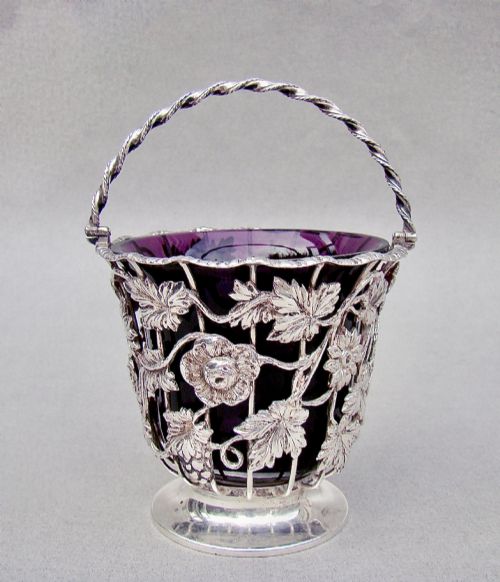
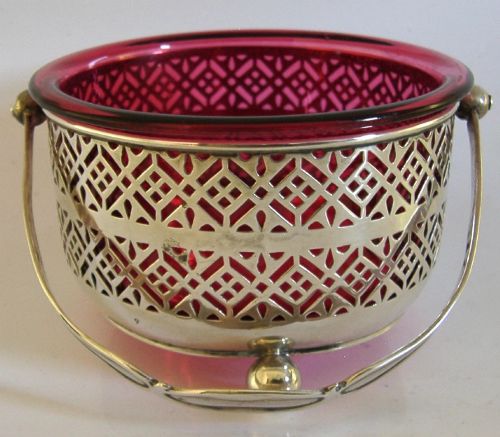
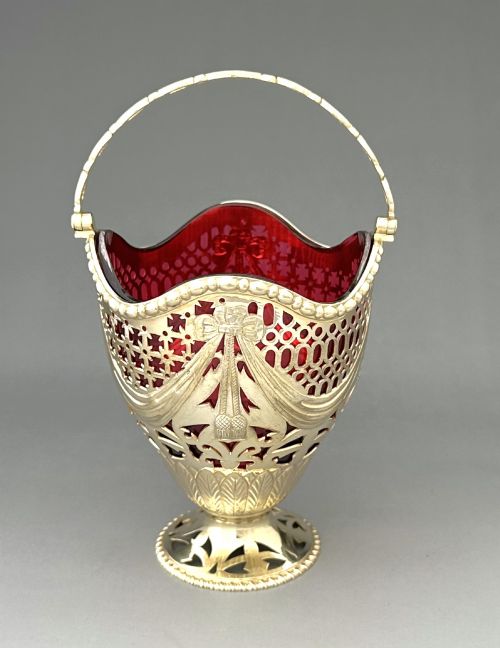
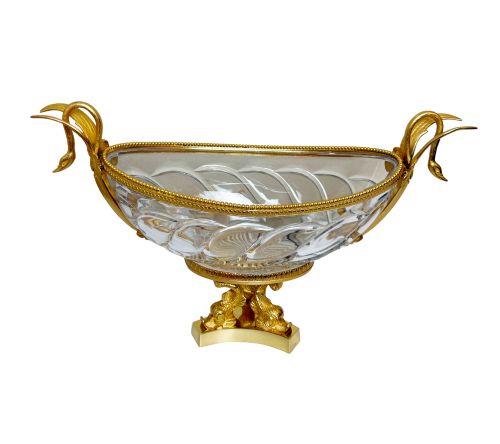
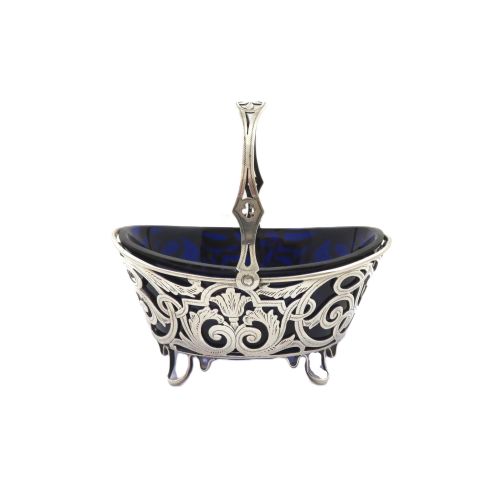
A handled glass bowl combines blown or cut glass vessels with fitted metal mounts, swing handles, or stands. When searching for a handled glass bowl, buyers encounter sugar baskets, cream pails, jam dishes, and centrepieces dating from the eighteenth century through to the Art Deco period.
The most frequent examples span the Victorian and Edwardian eras, combining cranberry, ruby, or clear glass with sterling silver, silver plate, or gilt bronze. These pieces often feature pierced metalwork frames designed to cradle removable glass liners or bowls.
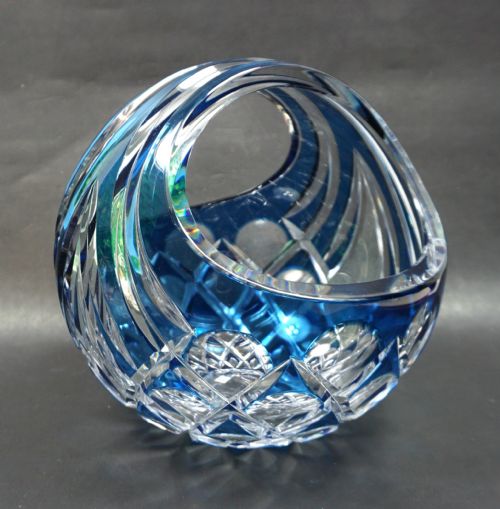
Form follows function across these items, ranging from small custard cups and bon-bon dishes to substantial crystal centrepieces. European makers from Britain, France, and Belgium dominate the recorded origins, spanning Georgian Georgian styles through to French Belle Epoque and Aesthetic Movement designs.
Materials and Manufacture
Glass production relies on traditional blowing and cutting techniques, yielding clear crystal, opaline, or coloured glass bodies in cranberry and ruby tones. Molten metal is shaped by hand, sometimes overlaid in contrasting colours such as blue over crystal, then polished or wheel-cut.
Metal components utilise sterling silver, silver plate, silver gilt, and gilt bronze, often shaped through casting, piercing, and silversmithing techniques. Swing handles and stands are engineered to support the weight of the glass liner securely while providing decorative contrast.
Handled Glass Bowl Retail Price Guide 2026
Typical asking prices for handled glass bowl among the pieces listed under this phrase on Sellingantiques today, from the lower quarter to the upper quarter. They describe what is for sale here now, not the wider market.
Listings span the eighteenth century, Victorian, Edwardian, and 1930s periods, incorporating materials such as sterling silver, cranberry glass, and gilt bronze.
Assessing Quality
Quality rests upon the crispness of the glass cutting, the depth of colour in cranberry and ruby vessels, and the weight of the metal mount. Heavier silver or gilt bronze frames and precise hand-pierced detailing elevate a piece above standard production.
The integration between the glass and its metal mount indicates superior craftsmanship, where liners sit flush within fitted frames. Maker attribution, such as signed French crystal or marked English sterling silver, further distinguishes exceptional examples.
Aldridge and Green·Joseph Simon for VSL·George Fox
The Handled Glass Bowl Glossary
- Cranberry glass
- A transparent pink-red glass coloured by the addition of gold chloride to the molten batch. It gained popularity during the Victorian era for tableware and decorative vessels.
- Sugar basket
- A small, handled vessel designed for holding loaf or loose sugar on the dining table. They frequently incorporate glass liners paired with pierced silver or plated frames.
- Silver gilt
- Silver objects that have been coated with a thin layer of gold on the surface. This technique provides the rich appearance of solid gold while utilising a silver base.
- Centrepiece
- A large decorative item placed in the middle of a dining table. Examples in glass and metal often take the form of substantial bowls or baskets on stands.
- Opaline glass
- An opaque or translucent pale glass developed in France during the nineteenth century. It varies in colour and was frequently utilised in Aesthetic Movement designs.
Handled Glass Bowl: Frequently Asked Questions
What were handled glass bowls used for?
These vessels served practical dining functions, holding sugar, cream, jam, or sweetmeats during formal meals and tea service.
Over time, many transitioned into purely decorative table centrepieces or mantel displays.
How do I clean a glass bowl with metal mounts?
Remove the glass liner from the metal frame whenever possible to wash them separately using warm soapy water and a soft cloth.
Avoid submerging fixed metal-and-glass combinations to protect silver plate or gilt surfaces from moisture damage.
How do I distinguish Victorian from Georgian pieces?
Georgian pieces from the eighteenth century typically exhibit restrained, classical proportions with hand-pierced silversmithing work.
Victorian items often showcase bolder cranberry glass colours, elaborate cast floral handles, and heavier ornamentation.
Are glass liners original to the metal frames?
Original liners fit snugly into the contours of the pierced metal baskets without excessive movement or gaps.
Minor variations in thickness or bubbles in the glass often confirm period manufacture rather than modern replacement.