




Handcrafted Oriental Carpet
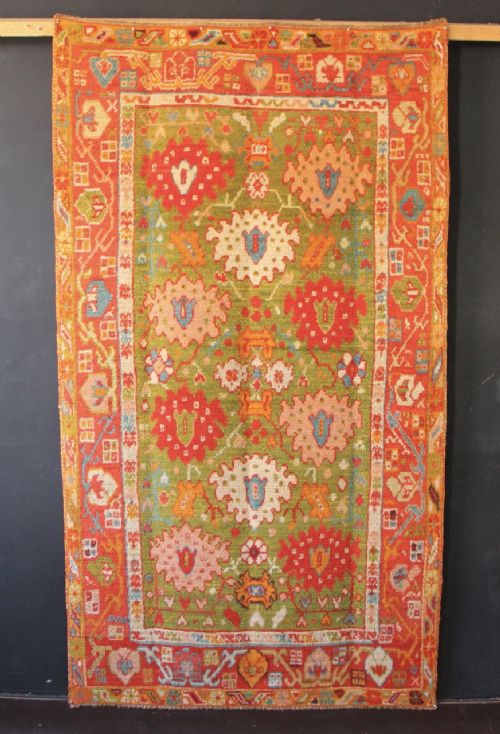
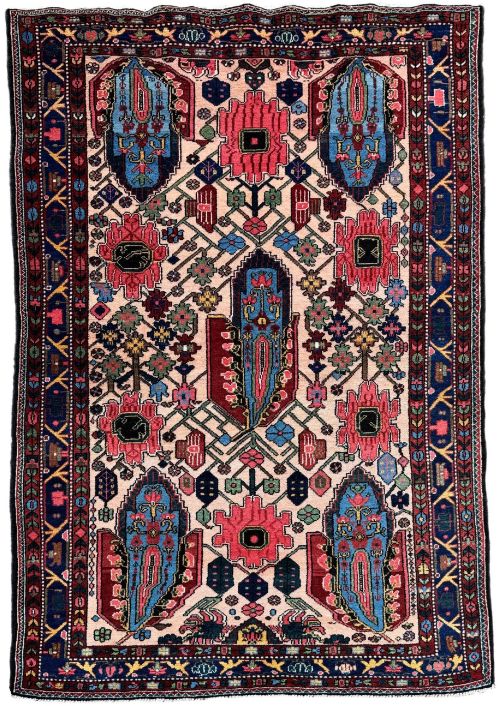
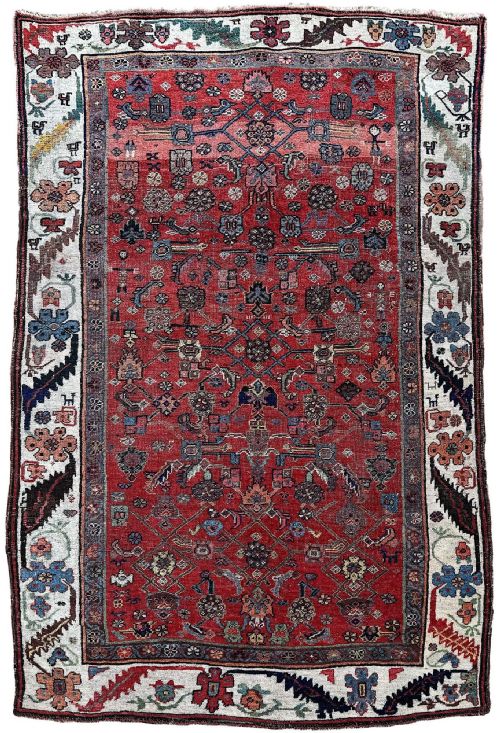
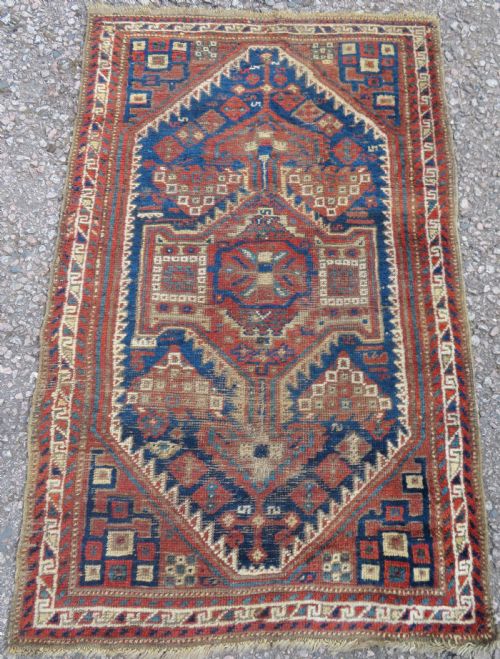
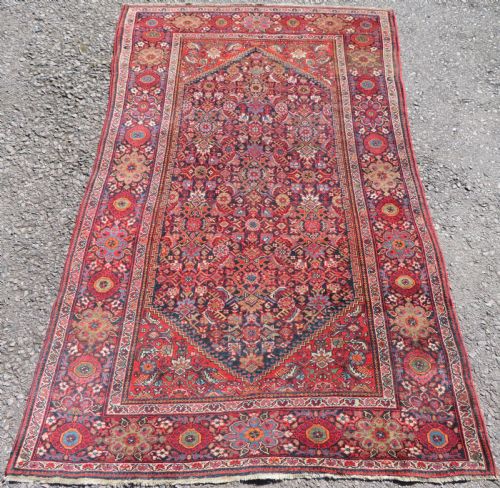
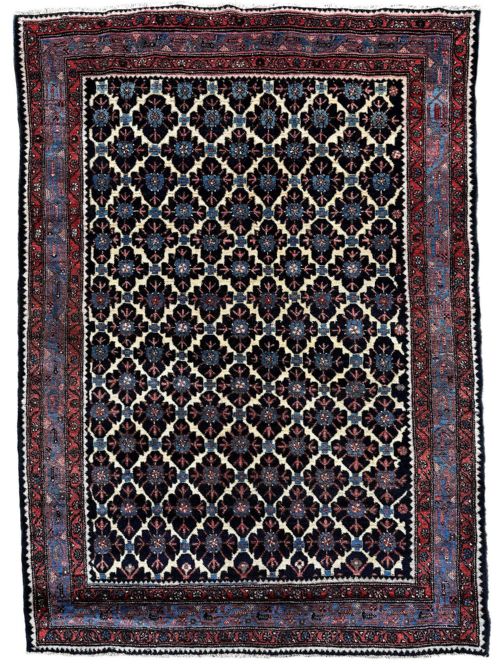
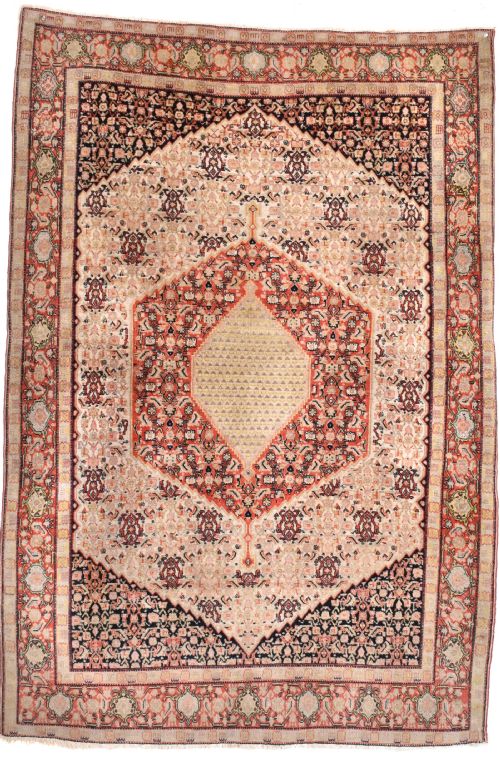
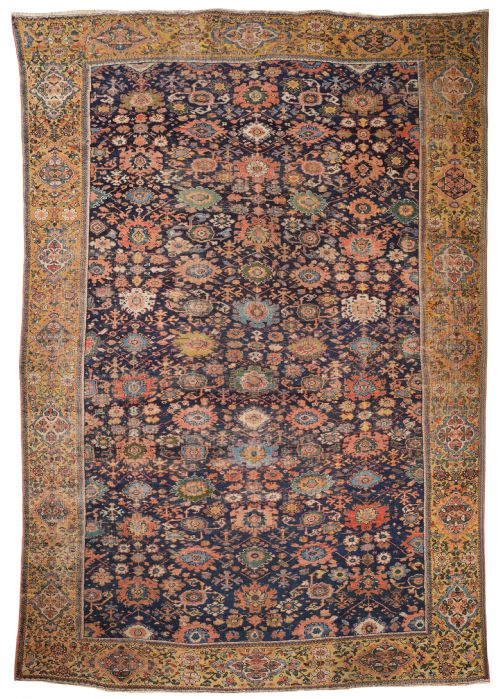
These handcrafted oriental carpet examples bring tangible history to a floor, offering durable wool and cotton textiles woven across distinct tribal and city traditions.
Handcrafted Oriental Carpet
A handcrafted oriental carpet brings together a rich variety of styles originating from Persian, Turkmen, and Caucasian traditions. When searching for a handcrafted oriental carpet, collectors encounter formats ranging from room-sized carpets and area rugs to narrow runners and storage bagfaces.
The objects span production dates from the mid-nineteenth century through the early decades of the twentieth century. Traditional Persian styles, tribal weaves, and specific regional workshops dominate the pieces available for review.
Distinctions in quality
Quality in these textiles rests upon the fineness of the weave, the integrity of the foundation, and the resilience of the wool pile. Pieces demonstrating exceptional handling of traditional designs tend to show greater durability and structural stability.
The depth and nuance of the dye palette further separate standard examples from finer works. The sophistication of regional designs and the preservation of the original edges and ends significantly influence the overall character of each textile.
Handcrafted Oriental Carpet Retail Price Guide 2026
Typical asking prices for handcrafted oriental carpet among the pieces listed under this phrase on Sellingantiques today, from the lower quarter to the upper quarter. They describe what is for sale here now, not the wider market.
The listings on this site span production dates from the 1860s through the 1930s.
The Handcrafted Oriental Carpet Glossary
- Kilim
- A flatwoven carpet or rug produced without a pile. These pieces utilise warp and weft interlocking techniques to create geometric patterns.
- Soumak
- A flatweave technique involving wrap-sewing weft threads over the warp to create a textured, durable surface. This method appears frequently in Turkmen work.
- Herati design
- A recurring traditional motif featuring a central floral rosette framed by curling leaves. It serves as a foundational pattern across various Persian rug types.
- Bidjar
- A durable rug style originating from a West Persian town known for heavy, dense foundations. These pieces often feature compact knotting and sturdy wool construction.
- Suzani
- An embroidered textile or wall hanging traditionally produced in Central Asia. They display intricate needlework patterns on woven foundation fabrics.
Handcrafted Oriental Carpet: Frequently Asked Questions
How do I clean an antique rug?
Gentle surface brushing and professional specialist cleaning preserve the natural wool fibres and dyes.
Avoid harsh chemical treatments and excessive water immersion to maintain the structural integrity of the cotton and wool foundation.
Where were these carpets made?
Production centres span across Persia, the Caucasus, Turkey, Central Asia, and Kashmir.
Specific towns, nomadic tribes, and regional workshops contributed distinct patterns and weaving techniques to each piece.
What is a runner rug?
Runner rugs are narrow, elongated textiles designed specifically for hallways, staircases, and corridors.
They provide durable floor coverings in high-traffic areas while displaying traditional regional motifs along a stretched format.
How do I date a carpet?
Dating relies on stylistic analysis of the motifs, material examination of the wool and cotton, and structural characteristics.
Comparing regional weaving traits against known historical periods helps narrow the production era.