
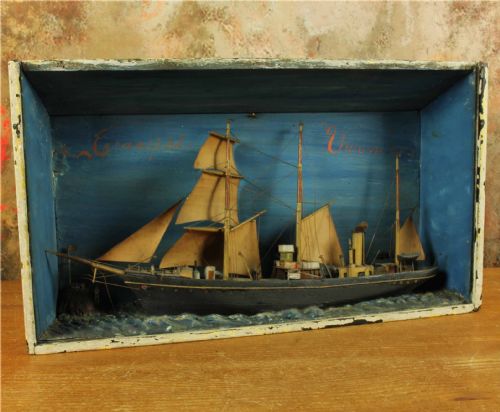


Handcrafted Model Ship
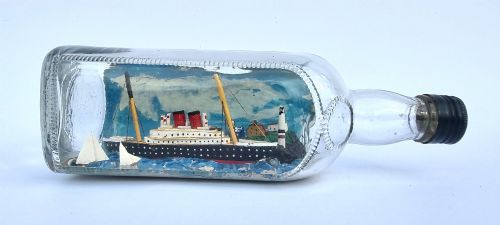
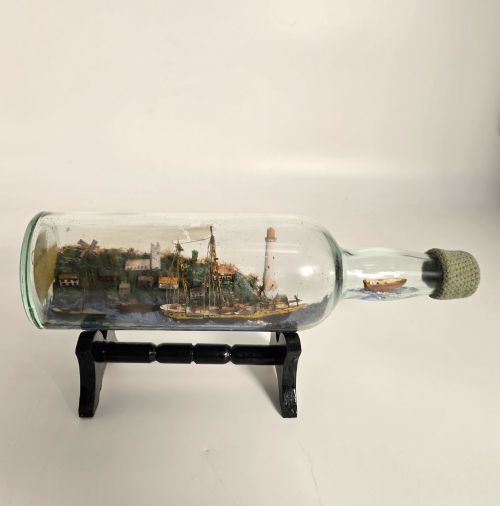
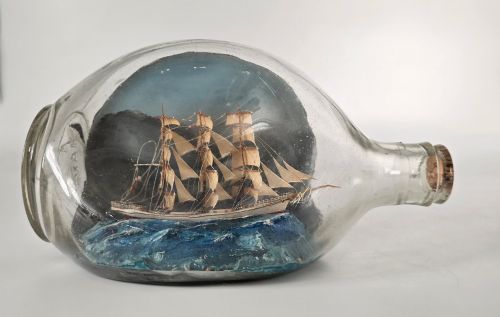
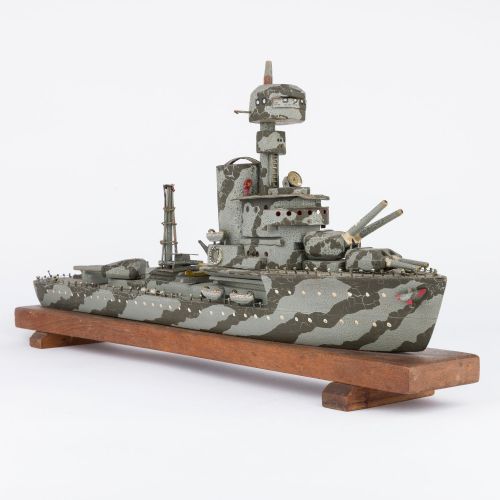
These handcrafted model ship examples capture maritime history through intricate wooden builds, glass bottles, and detailed dioramas.
Handcrafted Model Ship
A handcrafted model ship embodies maritime folk art from the nineteenth and early twentieth centuries, capturing naval vessels, steam ships, and racing yachts. Buyers encounter various forms on this page, ranging from scratch-built wooden models on plinths to detailed dioramas enclosed in glass bottles or shadow boxes.
The pieces hail from periods such as the nineteenth century, nineteen-twenty, and nineteen-thirty, with notable origins including British, English, Welsh, and French makers. Maritime folk art and nautical folk art styles dominate the selection, often reflecting specific eras like the First World War.
Materials and construction methods
Makers utilised wood as the primary structural material, shaping hulls and decks by hand for scratch-built models and dioramas. Canvas and thread provide rigging and sails, while metal and paint add structural detail and surface colour.
Bottled examples incorporate cork, putty, and glass to seal the miniature vessel securely inside its display container. Wooden plinths frequently support these bottles and shadow boxes to complete the presentation.
Some makers carefully folded entire miniature fleets through bottle necks using secret string systems.
Distinctions in quality and execution
Superior examples demonstrate meticulous attention to rigging, hull shaping, and interior diorama scenery that reflects authentic maritime architecture. Finer pieces often feature scratch-built components that mirror specific historic vessels with greater precision.
The sophistication of the enclosing display, such as properly fitted shadow boxes or clean glass bottles with secure wooden stands, distinguishes more accomplished works from simpler decorative objects.
The Handcrafted Model Ship Glossary
- Diorama
- A three-dimensional scene depicting a ship within a framed box or glass container. These displays often include painted backdrops and modelled water to simulate the sea.
- Scratch-built
- A model constructed entirely from raw materials rather than from a commercial kit. Makers fabricate every individual component by hand.
- Maritime Folk Art
- Decorative and practical objects created by self-taught or local artisans with a nautical theme. These pieces reflect traditional sea-faring culture.
- Shadow Box
- A deep, glass-fronted frame used to house and protect a model ship. It allows wall-mounting or shelf display while keeping the delicate rigging safe.
Handcrafted Model Ship: Frequently Asked Questions
What is a ship in a bottle?
A ship in a bottle is a miniature vessel constructed to fit through the narrow neck of a glass bottle and assembled inside using specialised tools and collapsible masts. Makers seal the container with cork and putty to preserve the delicate interior.
These pieces served as popular decorative objects among sailors and folk art enthusiasts during the nineteenth and early twentieth centuries. They combine maritime skill with intricate craftsmanship.
How do you date a model ship?
Dating a model ship involves examining the materials, construction techniques, and specific vessel types represented in the piece. Evidence from periods like the nineteenth century or the nineteen-twenties often appears in the style of the rigging and hull design.
Folk art pieces frequently carry inscribed dates, titles, or maker details on their wooden plinths or within the diorama. Comparing the vessel design to known historic ships provides further chronological context.
What is a scratch-built model?
A scratch-built model is a vessel constructed from raw timber, metal, and thread without the use of pre-made commercial kits. The maker measures and shapes every piece of the hull, deck, and rigging by hand.
This method requires advanced woodworking and modelling skills to achieve historical accuracy. Collectors value these items for their individual artistry and direct connection to the maker.
Where should I display these models?
Model ships and dioramas require stable display environments away from direct sunlight and fluctuating humidity to protect wood, canvas, and thread. Glass-encased pieces like bottles and shadow boxes naturally protect the delicate rigging from dust.
Placing models on sturdy wooden plinths or dedicated shelves ensures they remain secure. Proper placement highlights the intricate folk art details while safeguarding the materials.