
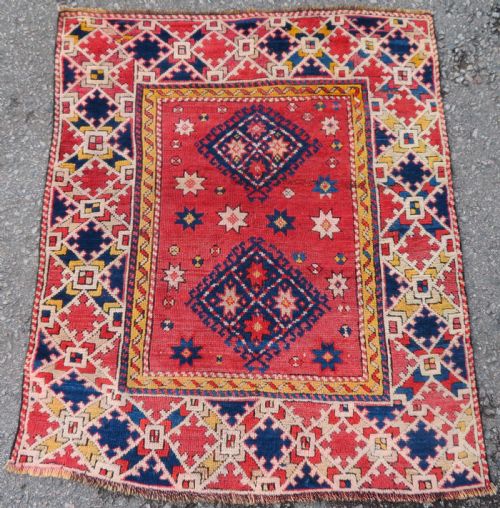

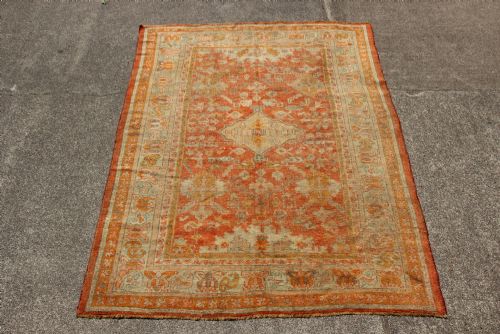


Hand Woven Turkish Carpet
When you search for a hand woven turkish carpet, you are looking at centuries of Anatolian textile tradition built on knotwork and natural dyes.
Hand Woven Turkish Carpet
A hand woven turkish carpet encompasses a broad range of floor coverings and wall hangings originating from Anatolia and wider Turkey. These textiles include large room-sized carpets as well as smaller village rugs, runners, and dedicated prayer rugs.
The pieces available span from the mid nineteenth century through the early decades of the twentieth century. Village pieces and larger city-workshop carpets reflect regional weaving traditions tied to specific Anatolian districts.
Makers ranged from village weavers working on upright looms in their homes to larger urban workshops producing grand scale carpets for export and domestic use.
How they were made
Weavers utilised local materials, primarily relying on hand-spun wool and cotton for foundations and pile. Silk and mercerised cotton appear in specific regional or later pieces, alongside angora wool in select Ushak productions.
The construction relies on hand-knotting techniques upon warp and weft foundations, creating dense structures designed to endure heavy use. Natural dyestuffs provided the palette for grounds and medallions before the introduction of synthetic alternatives in later periods.
Many village weavers tucked tiny personal talismanic symbols into the corners of their carpets to ward off the evil eye.
What varies in quality
Knot density and the precision of the design execution distinguish everyday village production from master workshop carpets. Finer wool preparation and more complex dye work elevate certain examples above standard domestic weaving.
The integrity of the foundation and the preservation of the original pile determine the structural standing of each piece. Ushak and Ghiordes carpets demonstrate variance in artistic ambition, ranging from simple tribal layouts to sophisticated medallion compositions.
The Hand Woven Turkish Carpet Glossary
- Prayer rug
- A rug featuring a mihrab or arch design indicating the direction of prayer, traditionally used for daily devotions.
- Medallion
- A central ornamental motif dominating the field of the carpet, frequently seen in Ushak and Anatolian workshop pieces.
- Warp
- The vertical threads stretched upon the loom that form the structural foundation of the textile.
- Weft
- The horizontal threads passed through the warp to secure the knots in place.
- Pile
- The cut ends of the knotted yarn that stand upright from the foundation to form the usable surface of the carpet.
Hand Woven Turkish Carpet: Frequently Asked Questions
How do I clean an antique carpet?
Surface dirt should be removed gently using regular low-suction vacuuming without a beating brush.
Professional specialist cleaning is required for deep washing to protect old wool pile and natural dyes.
Where were these carpets made?
Production took place across various Anatolian regions, including village centres like Bergama, Milas, and Kirsehir.
Larger urban workshops in Ushak also produced substantial quantities for both local and international markets.
Can I place these under furniture?
Carpets with strong wool construction handle moderate foot traffic and furniture placement reasonably well in living spaces.
Protective underlays help prevent slipping and reduce friction between the foundation and the floor.
How do I date an old rug?
Dating relies on assessing material characteristics, natural dye usage, structural wear, and stylistic design markers.
Comparing structural specifics with documented regional examples helps narrow down the period of manufacture.