





Hand Woven Hallway Rug
A hand woven hallway rug brings centuries of tribal artistry and heavy floor coverings directly into narrow corridors.
Hand Woven Hallway Rug
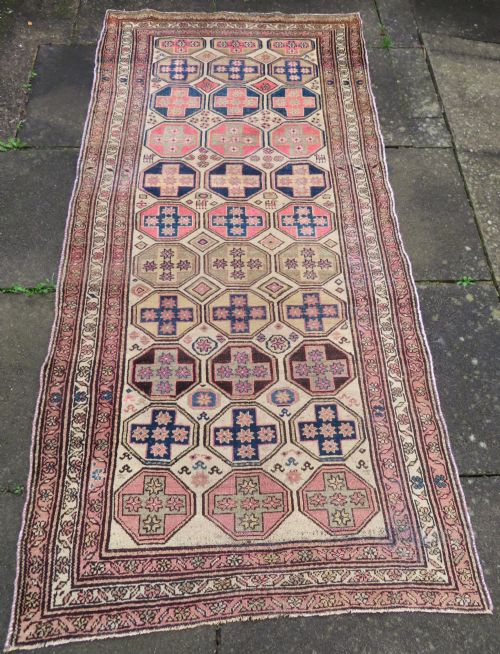
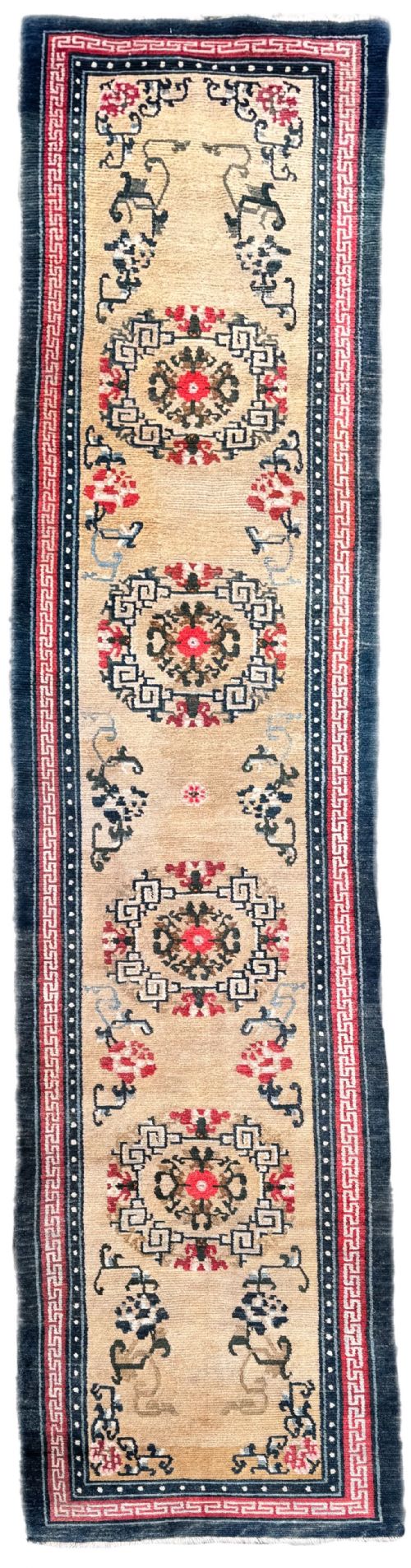
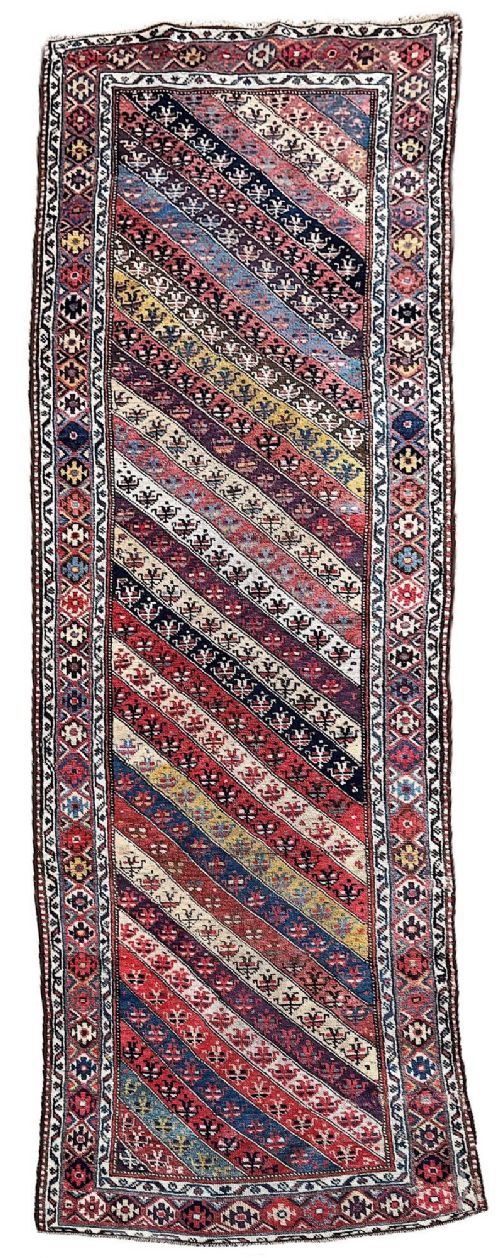
A hand woven hallway rug typically appears as a long, narrow runner designed to bridge the dimensions of corridors and passageways in older properties.
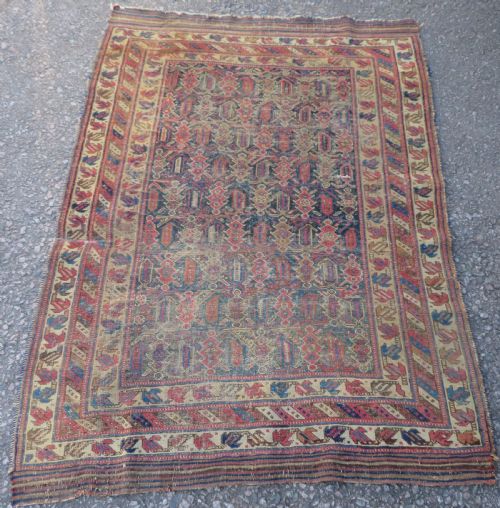
The selections span Persian tribal, Caucasian, and Kurdish styles originating from village workshops and nomadic camps during the late nineteenth and early twentieth centuries.
Makers utilised traditional formats such as Heriz, Bidjar, and Kazak designs, yielding sturdy floor textiles intended for continuous foot traffic.
Materials and construction methods
These floor coverings rely on natural wool and hand-spun wool fibres paired with cotton foundations, providing resilient surfaces that withstand heavy wear.
Weavers knotted and wove these textiles by hand on vertical or horizontal looms, incorporating durable wool piles dyed with natural colourants.
Nomadic weavers frequently incorporated small tribal amulets into the borders to ward off bad luck in the hallway.
Distinctions in execution and material grade
Quality rests upon knot density, the integrity of the wool, and the crispness of the tribal geometry executed across the field.
Finer examples demonstrate tighter foundation structures and carefully prepared hand-spun wool that maintains pile resilience over decades of use.
Luri Tribe·Kurdish weavers
The Hand Woven Hallway Rug Glossary
- Runner
- A long, narrow carpet format specifically suited for hallways and stairs. These pieces balance passage dimensions with decorative floor coverage.
- Kelleh
- A large format rug that is longer than it is wide, though typically broader than a standard runner. Collectors value these for principal rooms or spacious corridors.
- Boteh
- A traditional teardrop or paisley motif representing a floral or cypress sprout. It appears frequently in Persian and Caucasian tribal weaving.
- Pile
- The upright yarn loops that form the functional surface of the textile. Hand-knotted varieties lock these fibres securely into the cotton or wool foundation.
Hand Woven Hallway Rug: Frequently Asked Questions
How do I place a runner in a narrow corridor?
Position the textile centrally along the passageway, leaving equal margins of exposed floorboards or stone on either side. This allows the pattern to draw the eye down the length of the hall.
Ensure heavy furniture does not obstruct the edges so the geometric border remains visible and the piece lies flat.
What underlay should I use for antique wool runners?
Select a breathable, rubberised mesh underlay designed for antique carpets to prevent slipping and reduce friction against the floor. This protects the cotton foundation from stretching.
Avoid solid plastic sheets that trap moisture and weaken natural wool fibres over time.
How do I distinguish Caucasian rugs from Persian village pieces?
Caucasian examples favour bold, geometric medallions, stark primary colours, and angular borders rooted in mountain traditions. Persian village pieces often incorporate curved floral vines alongside tribal motifs.
Examining the back of the weave reveals structural differences in knotting density and foundation tension specific to each region.
Can these antique rugs handle heavy hallway traffic?
Traditional village runners were constructed for demanding daily use in pastoral homes using resilient hand-spun wool. Their dense knotting naturally resists crushing.
Periodic rotation equalises wear patterns across high-traffic sections of the corridor.