



Hand Woven Gul Pattern
These hand woven gul pattern rugs carry the tribal history of Central Asian weavers across centuries of wool and natural dyes.
Hand Woven Gul Pattern
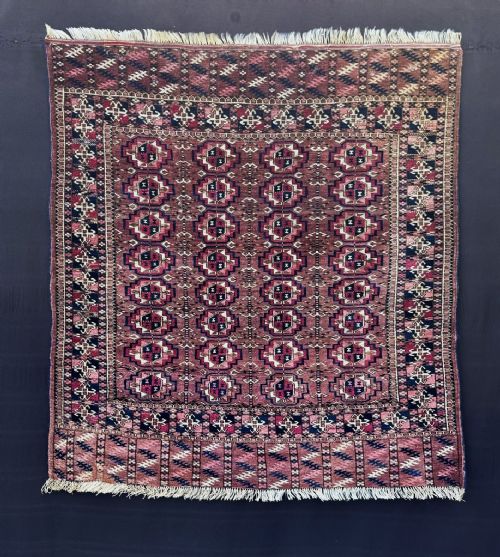
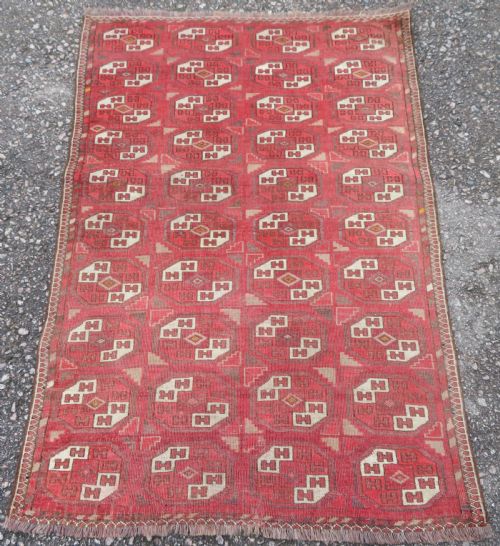
A hand woven gul pattern brings traditional Turkmen, Baluch, and Afghan carpet designs into domestic spaces through distinct medallion motifs known as guls. Buyers searching this phrase encounter tribal rugs, main carpets, tent door hangings, and dowry pieces originating from Central Asia.
The pieces on this page lean heavily towards Turkmen tribal groups such as the Tekke and Ersari, alongside Baluch and Afghan weavers. These objects range from nineteenth century main carpets to early twentieth century wedding rugs featuring geometric gul designs.
Forms vary from large floor carpets to smaller torba face pieces and kapunuk tent door rugs. Each type serves a specific tribal function while displaying the repeat octagonal or ovoid gul patterns characteristic of the region.
Materials and construction
Weavers constructed these textiles using hand-spun wool, often incorporating goat hair or horsehair within the foundation for added durability. Natural dyes provide the underlying palette for these tribal carpets and rugs.
The physical structure relies entirely on hand weaving techniques passed down through generations of nomadic and village workshops. These traditional methods ensure the wool pile and strong foundations withstand decades of use.
Hand Woven Gul Pattern Retail Price Guide 2026
Typical asking prices for hand woven gul pattern among the pieces listed under this phrase on Sellingantiques today, from the lower quarter to the upper quarter. They describe what is for sale here now, not the wider market.
The listings feature wool, natural dyes, and goat hair foundations across nineteenth and early twentieth century periods.
Assessing quality in tribal weaving
Quality rests upon the fineness of the wool and the precision of the hand-spun foundation materials. Carpets utilising resilient goat hair or horsehair foundations alongside tightly packed wool pile demonstrate superior structural integrity.
The clarity and complexity of the gul design also separate standard examples from finer works. Pieces featuring unusual border configurations or scarce ovoid gul variations reflect greater technical skill and artistic investment from the weaver.
The Hand Woven Gul Pattern Glossary
- Gul
- A primary medallion motif repeated across Turkmen and Central Asian carpets. These octagonal or ovoid shapes often identify specific tribal groups.
- Torba
- A small wall hanging or bag face traditionally used for domestic storage within nomadic tents. These pieces frequently display detailed gul patterns.
- Kapunuk
- A decorative tent door rug placed around the entranceway of a nomad's dwelling. They feature specialised shapes designed to frame the opening.
- Beshir
- A sub-style of Ersari carpet known for distinctive large scale designs and varied colour palettes. These main carpets originate from the middle Amu Darya region.
- Foundation
- The underlying grid of warp and weft threads that supports the wool pile. In these tribal pieces, foundations often incorporate goat hair or horsehair.
Hand Woven Gul Pattern: Frequently Asked Questions
What is a gul pattern?
A gul is a repeating octagonal or ovoid medallion motif found across Central Asian tribal rugs. These geometric shapes traditionally identified specific clans or nomadic groups.
Weavers arranged these medallions in rows across the field of main carpets, dowry rugs, and tent trappings.
Where were these rugs made?
These textiles originate from Central Asia, including regions associated with Turkmenistan, Afghanistan, and Baluchistan. Nomadic and village weavers produced them within tribal traditions.
Local workshops and tent communities created everything from large main carpets to small wedding dowry pieces.
How do I date an antique rug?
Dating relies upon examining the materials, natural dye usage, structural wear, and specific tribal weaving characteristics. Nineteenth century examples often display softer wools and characteristic primary palettes.
Later pieces from the early twentieth century shift slightly in proportion and wool preparation while maintaining traditional motifs.
How should I care for wool rugs?
Wool and natural dye textiles require gentle cleaning and protection from direct sunlight to preserve their colours. Regular light vacuuming without a rotating brush helps maintain the pile.
Keeping the foundation dry and allowing air circulation beneath the carpet prevents moisture accumulation in the natural fibres.