
Hand Painted Tea Cups
Hand painted tea cups bring centuries of ceramic artistry and intimate daily ritual to your cabinet.
Hand Painted Tea Cups
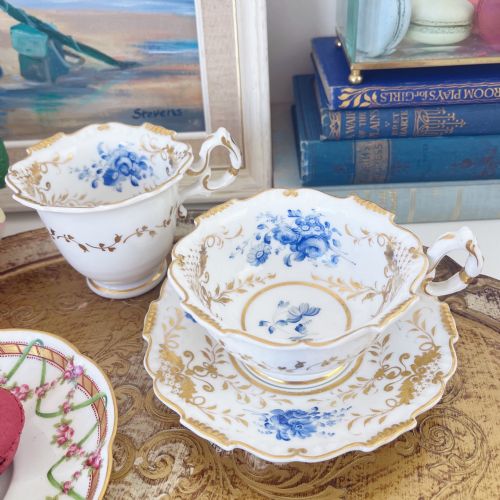
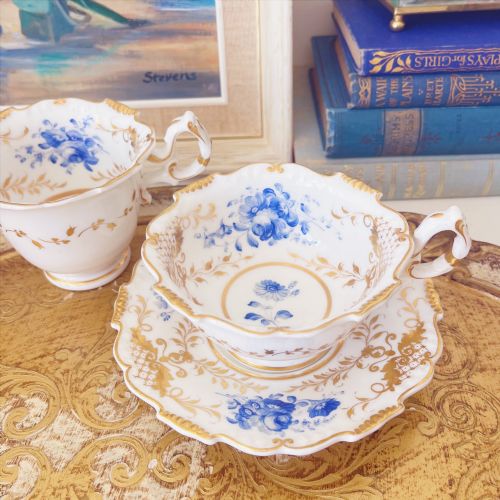
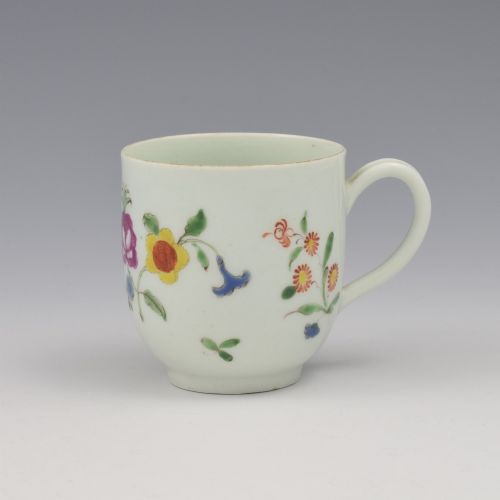
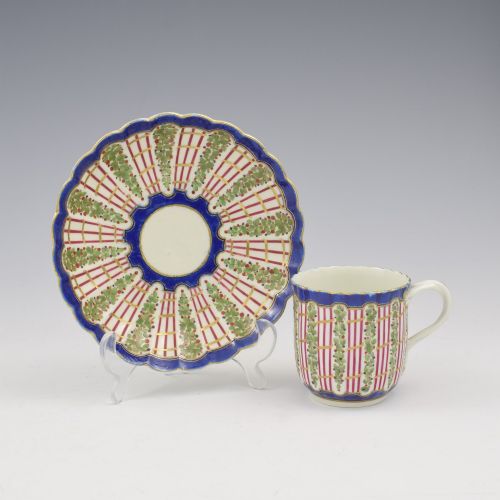
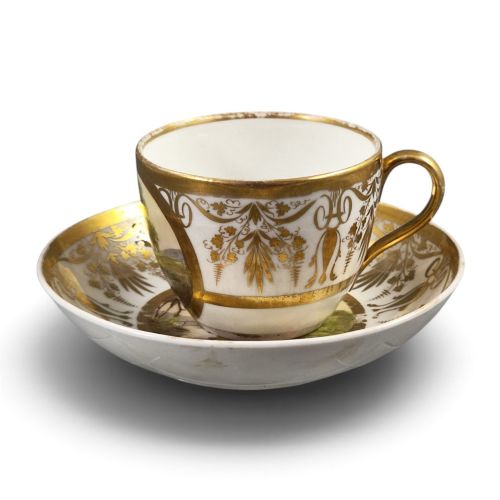
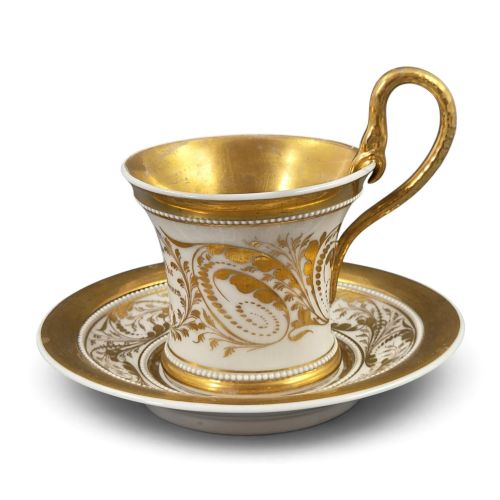
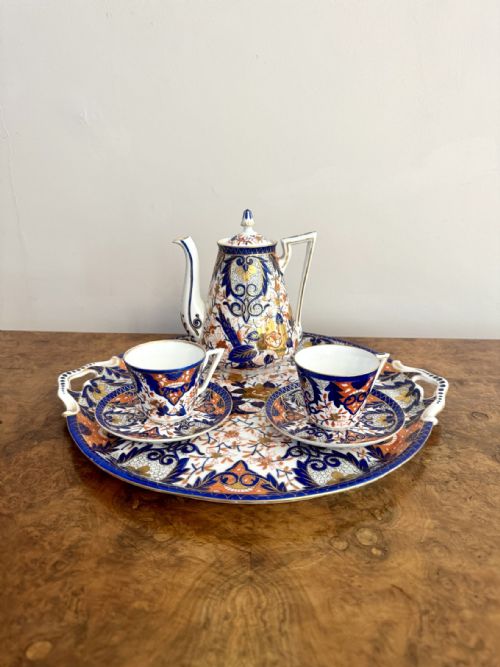
When you search for hand painted tea cups, you explore a rich assortment of antique drinking vessels, trios, and duos originating from British, European, and Asian kilns. The pieces you encounter span from the delicate porcelain forms of the eighteenth century through the robust styling of the Victorian era.
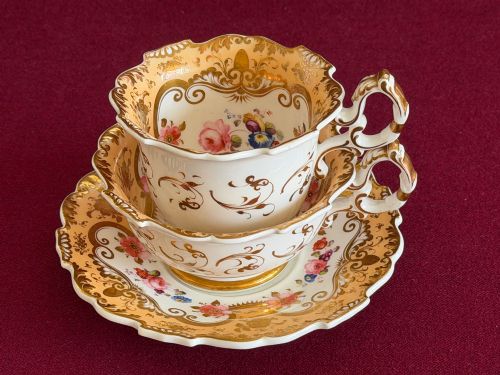
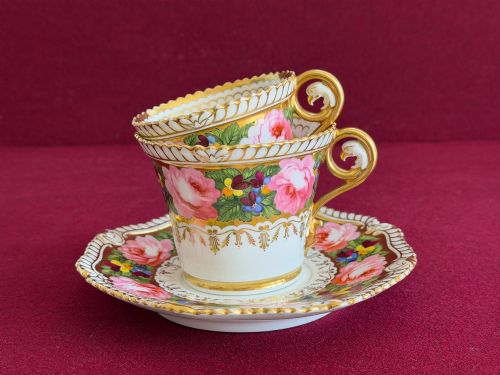
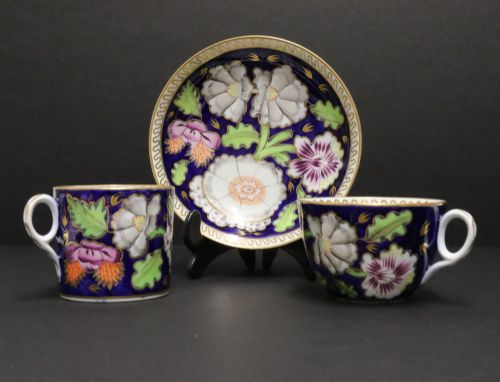
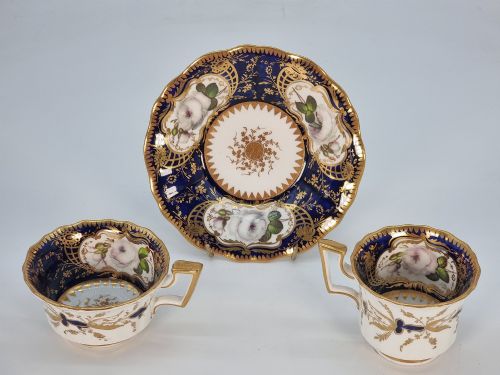
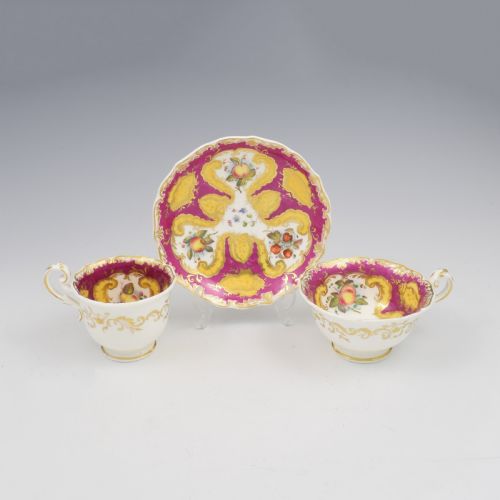
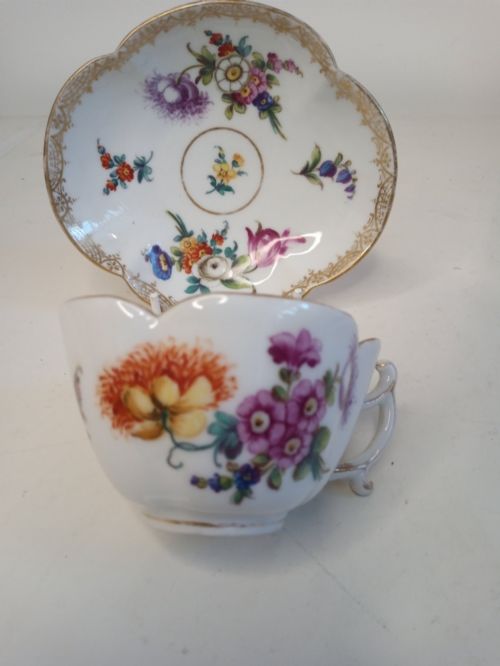
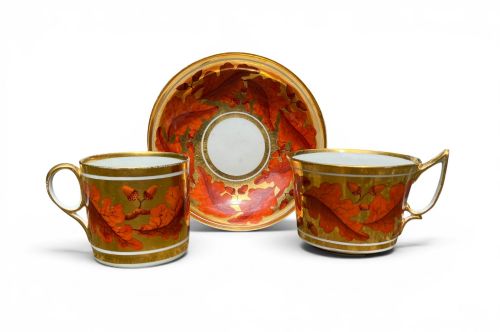
Most examples appear as matched trios or duos comprising a cup, saucer, and sometimes a matching coffee cup, reflecting historical tea and coffee drinking habits. You will frequently find pieces created by notable factories such as Worcester, Coalport, and Davenport, alongside continental porcelain and export wares.
Materials and construction
Makers utilised fine porcelain, bone china, soft-paste porcelain, earthenware, and creamware as the foundational canvas for their painted decoration. Potters shaped these bodies into tea bowls, handled cups, and accompanying saucers before applying initial glazes.
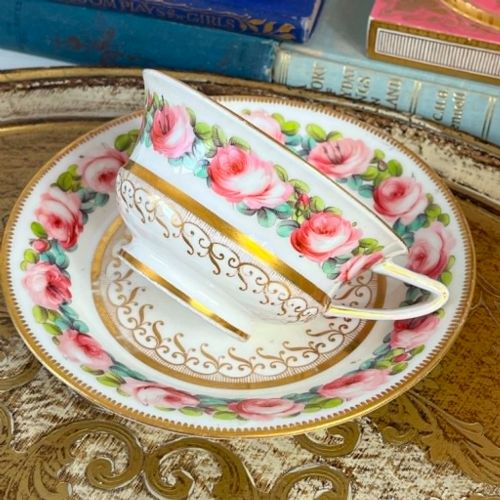
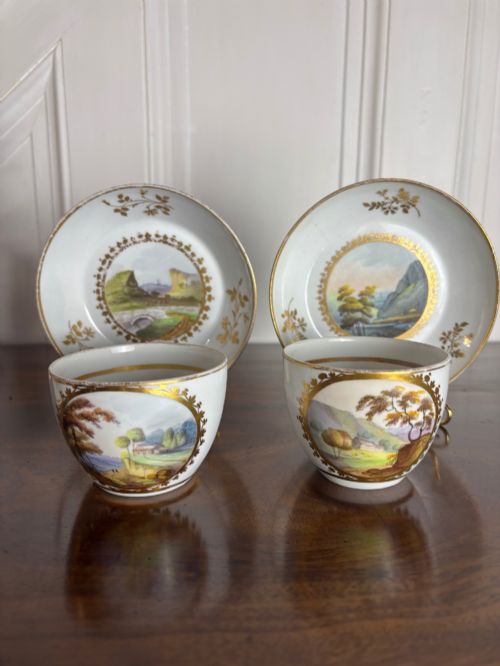
Artisans then hand-painted intricate botanical, landscape, and avian subjects directly onto the ceramic surface, often incorporating gold leaf, gilding, and enamel work to highlight borders and motifs. Firing in kilns subsequently bonded these metallic accents and colours permanently to the glaze.
Available forms include tea bowls, coffee cups, and complete multi-piece tea services.
Distinctions in quality
The sophistication of the hand-painted detail largely determines the standing of a piece, distinguishing mass production from meticulous studio work. Fine brushwork depicting complex subjects like fancy birds, landscapes, or specific botanical studies reflects superior artisan skill.
The purity of the porcelain paste, the evenness of the glaze application, and the generous integration of gold leaf or gilt detailing further elevate the standard of a vessel. Well-preserved painted surfaces with minimal rubbing indicate careful historical handling and enduring material stability.
H & R Daniel·Chamberlain Worcester·Richard Chaffers·Coalport·KPM Berlin·Minton·Flight Barr & Barr·Gardner Porcelain Moscow
The Hand Painted Tea Cups Glossary
- Trio
- A matched set consisting of a teacup, a coffee cup, and a saucer. This grouping accommodated both hot beverages during formal nineteenth-century gatherings.
- Soft-Paste Porcelain
- An artificial ceramic composition fired at lower temperatures than hard paste. It produced a warm, creamy body favoured by eighteenth-century English factories.
- Gilding
- The application of gold or gold leaf to ceramic surfaces for decorative trim. Artisans utilised this technique to accentuate rims, handles, and painted panels.
- Creamware
- A refined earthenware developed in the eighteenth century with a pale yellow or ivory hue. It provided an affordable and durable alternative to imported porcelain.
- Enamel
- Opaque glass-like pigments applied over fired glazes to add vibrant colour. Painters used enamel to create robust patterns that survived everyday use.
Hand Painted Tea Cups: Frequently Asked Questions
What is a tea and coffee cup trio?
A trio typically includes a teacup, a matching coffee cup, and a saucer. This combination allowed drinkers to partake in different hot beverages during a single service.
These sets were particularly popular during the Georgian and Regency periods when porcelain manufacturing advanced significantly.
How can I tell eighteenth-century porcelain apart?
Eighteenth-century pieces often feature soft-paste bodies with subtle imperfections in the glaze and lighter weights. Examining the painting style and underside markers helps identify specific periods like the First Period Worcester.
Factory marks evolved over decades, providing clues to the exact decade of manufacture.
Were these cups used daily or displayed?
Many painted cups served functional roles in wealthy households for taking tea or coffee. Cabinet cups, however, were frequently made for display in drawing rooms rather than regular dining.
Over time, surviving duos and trios transitioned from functional tableware into cherished cabinet display items.