


Hand Painted Stained Glass
These hand painted stained glass panels and windows bring rich colour and detailed narration directly into interior spaces.
Hand Painted Stained Glass
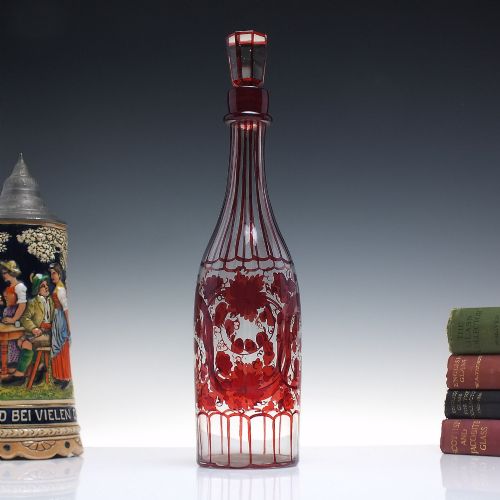
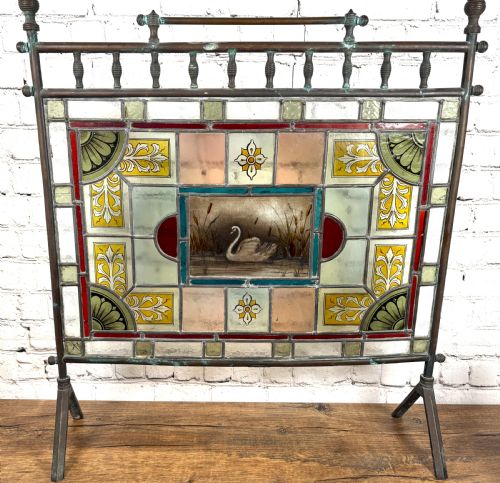
When you search for hand painted stained glass, you are looking at architectural windows, architectural salvage, fire screens, and panels that combine traditional leading with painted imagery. The pieces range from domestic items like decanters to large architectural windows.
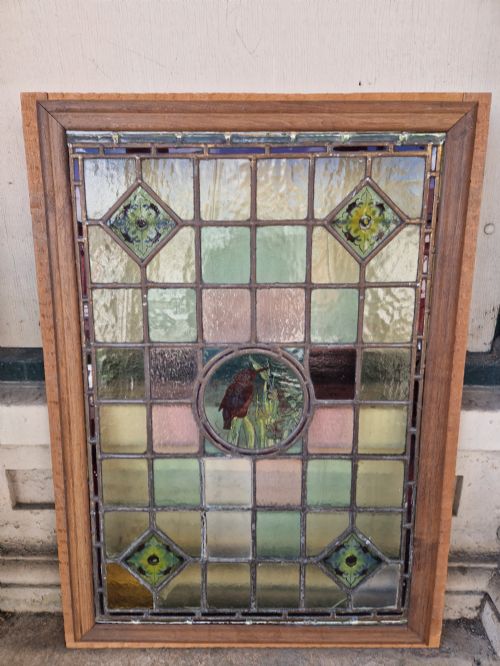
You are most likely to meet leaded glass windows featuring hand painted countryside scenes, birds, and floral designs dating from the Victorian and Edwardian periods up to 1920. These pieces often incorporate elements such as bullseyes and amber glass alongside the painted motifs.
The selection includes specific designs spanning Gothic Revival, Arts and Crafts, and Victorian Heraldic styles. Architectural salvage pieces such as glazed doors also appear, housing these detailed glass panels.
What varies in quality
The sophistication of the painted imagery distinguishes standard panels from finer works. Detailed depictions of countryside scenes, knights in armour, or religious figures require significant skill in brushwork and kiln firing.
The complexity of the surrounding leaded glass construction influences the overall standard. The inclusion of decorative elements like amber bullseyes, floral swags, and matching pairs adds architectural weight and visual coherence.
Several windows feature unexpected details including a lone knight in armour, a small boat on a lake, and lifeboats at sea.
The Hand Painted Stained Glass Glossary
- Lead came
- The grooved lead strips used to join individual pieces of glass together in a window panel. This flexible metal network forms the structural grid of the design.
- Bullseye
- A circular roundel of glass formed during the blowing process, often featuring a central pontil mark. These are frequently incorporated into leaded windows for texture and light refraction.
- Architectural salvage
- Building elements rescued from older structures for reuse in interior design or restoration. This category includes windows, glazed doors, and fire screens.
- Fire screen
- A decorative barrier placed in front of a fireplace when not in use. Some examples utilise stained glass panels to provide visual interest.
Hand Painted Stained Glass: Frequently Asked Questions
How were stained glass windows used originally?
These windows served as exterior or interior architectural dividers in homes, churches, and shops. They provided privacy while allowing natural light to filter through coloured and painted panes.
In domestic settings, they adorned doors, hallways, and principal rooms to create decorative focal points. Fire screens utilised smaller panels to decorate hearths when fires were unlit.
How do I install an antique window?
Antique windows require careful framing to support the weight of the lead and glass structure. Many buyers mount them inside existing window frames or hang them as wall art.
Specialist joiners can integrate salvaged panels into interior partition walls or doors. Ensuring proper weight distribution protects the fragile lead came over time.
How do I tell Victorian from Edwardian glass?
Victorian panels often feature heavier Gothic Revival influences, heraldic motifs, or dense religious and historical scenes. The leading tends to be robust, accompanied by deep, saturated primary colours.
Edwardian and later pieces frequently embrace lighter Arts and Crafts aesthetics, featuring naturalistic bird and floral designs. Softer tones, amber bullseyes, and pastoral countryside views become more common in this later era.
What is architectural salvage?
Architectural salvage refers to building components saved from demolition for reuse. This includes complete glazed doors, windows, and decorative screens.
These pieces retain historical fabric and craftsmanship that modern manufacturing rarely duplicates. Salvaged items allow period details to be incorporated directly into contemporary renovations.