
Hand Painted Sevres
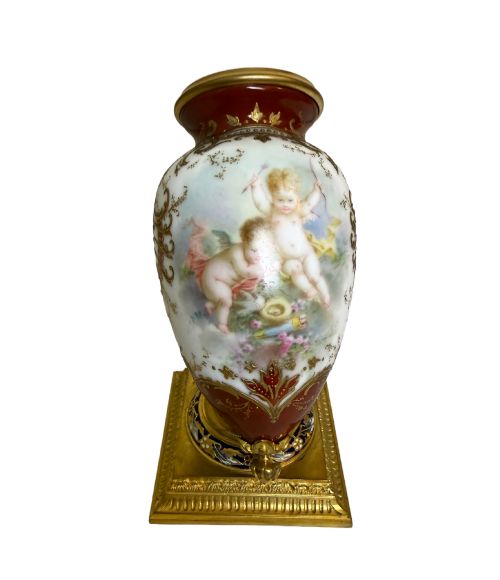
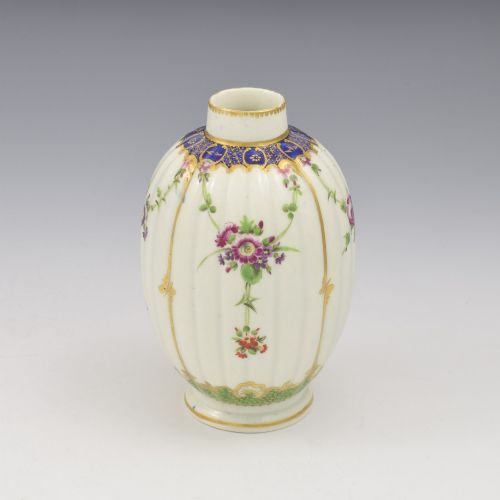
When you search for hand painted sevres, you are looking at fine porcelain objects decorated with enamel panels and gilt mounts from French workshops.
Hand Painted Sevres
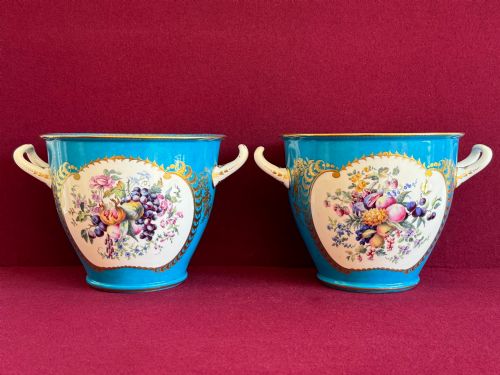
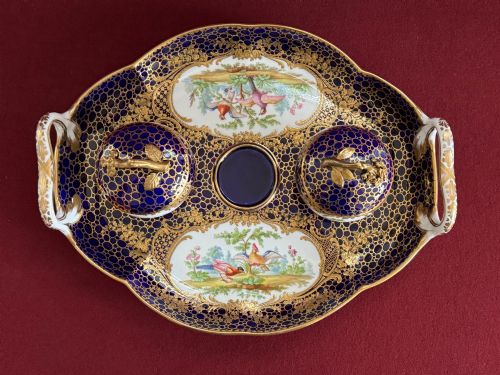
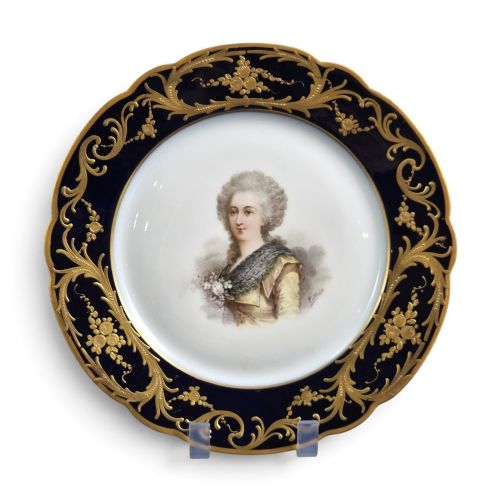
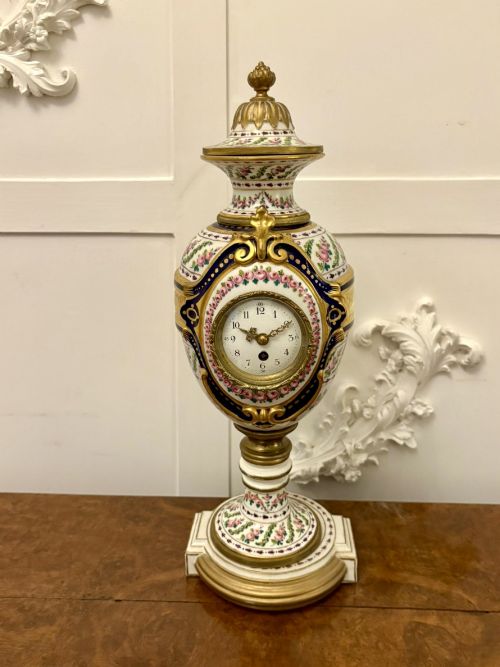
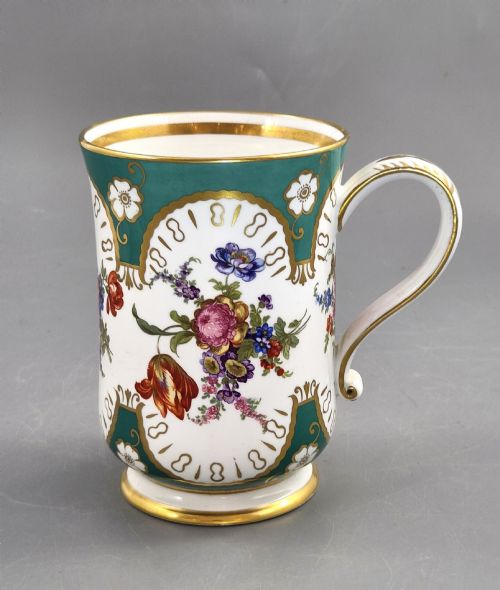
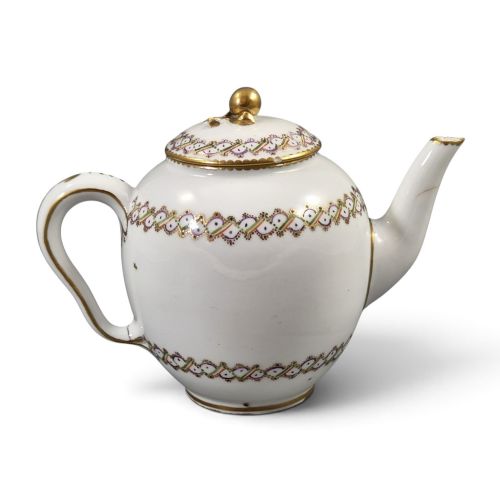
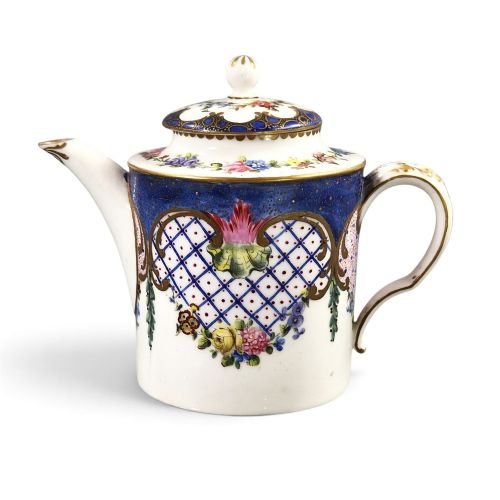
When you search for hand painted sevres, you encounter a variety of decorative objects ranging from cabinet plates and teapots to mantel clocks and large urns. The items span the eighteenth, nineteenth, and early twentieth centuries, reflecting both authentic output from the royal factory and later continental interpretations.
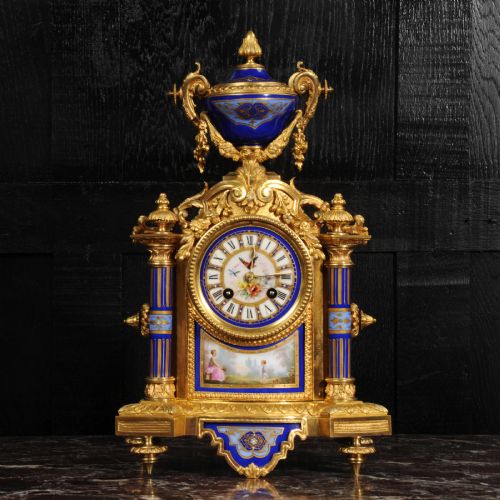
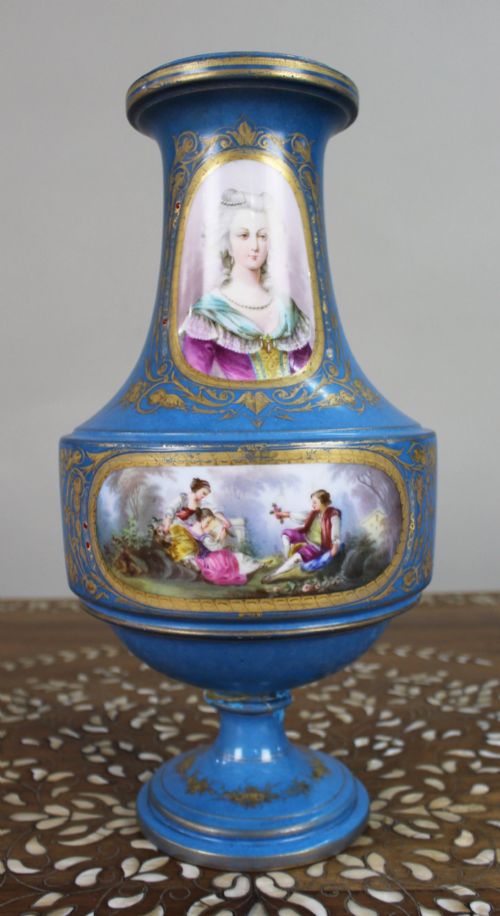
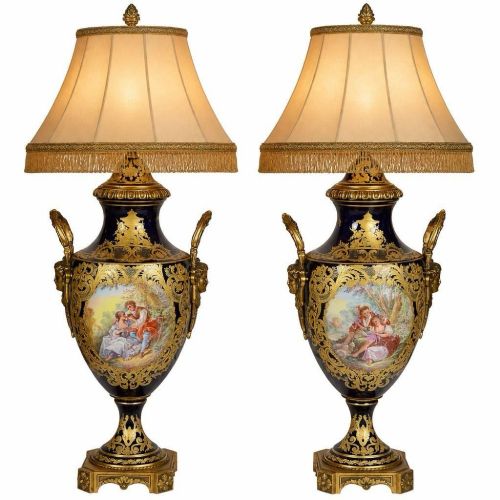
The nineteenth-century revival pieces dominate the selection, often taking the form of vases, jewellery caskets, and clock garnitures framed in ormolu or gilt bronze. These later interpretations adopt Louis XVI and Rococo revival styles while retaining the distinctive hand-painted pictorial panels characteristic of the genre.
How they were made
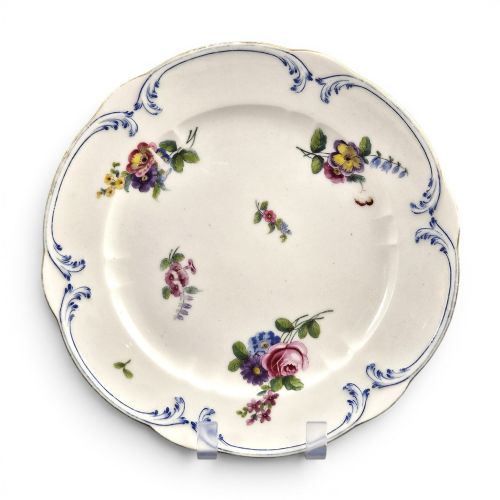
The core material is hard-paste or soft-paste porcelain, shaped into vessels, plates, and clock dials before receiving coloured enamel grounds such as bleu céleste and cobalt blue. Artisans then applied intricate hand-painted scenes, often depicting portraits, floral sprays, or pastoral landscapes.
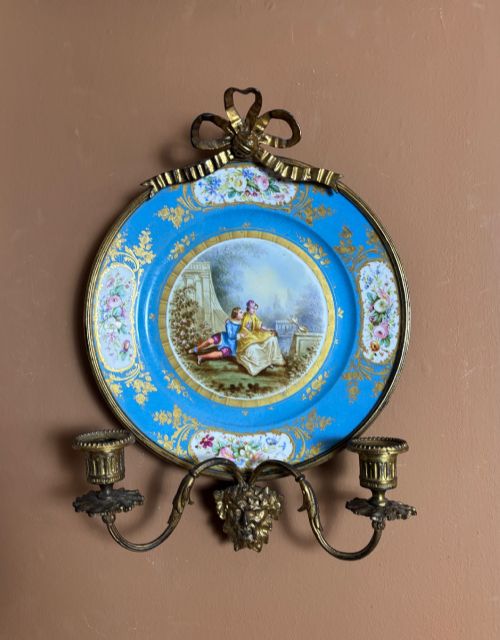
Metal mounts in ormolu, gilt bronze, and gilt metal were cast and chased to frame the porcelain elements. Champlevé enamel and gold leaf detailing were frequently added to finish pieces like jewellery caskets, mantel clocks, and wall candelabra.
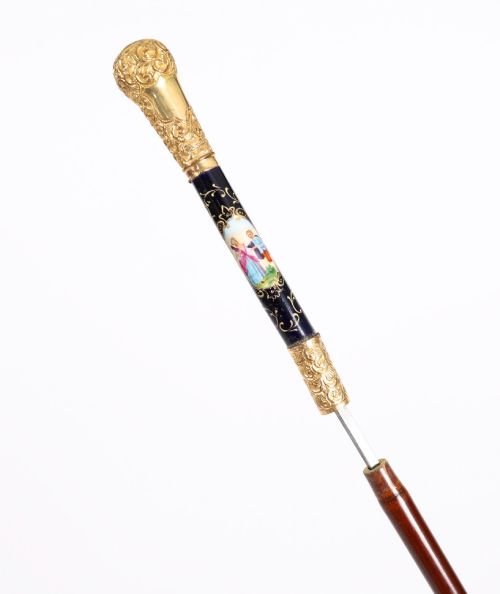
One unexpected item on offer is a walking sword stick featuring hand-painted porcelain sections.
What varies in quality
The refinement of the hand-painted brushwork separates standard production from exhibition pieces, with portrait and landscape panels showing varying degrees of artistic detail and depth. The execution of the surrounding gilt bronze and ormolu mounts also distinguishes finer examples.
Earlier eighteenth-century items demonstrate different body compositions compared to later nineteenth-century revival pieces, while the crispness of the chasing on metal mounts and the richness of the enamel grounds indicate the level of workshop care.
Japy Freres·PH Mourey·LE ROY & FILS·Samson Paris·Kerr & Binns·Minton
The Hand Painted Sevres Glossary
- Ormolu
- A technique of applying finely ground high-carat gold to an object of bronze, creating a rich golden finish on clock mounts and vase bases. This material is widely used across nineteenth-century French decorative arts.
- Bleu céleste
- A striking turquoise-blue enamel ground colour developed on porcelain bodies. It is frequently seen on cabinet plates and lidded vases from the nineteenth century.
- Soft-paste
- A glassy porcelain composition fired at lower temperatures than hard-paste, common in eighteenth-century production. This body type has a characteristic warm tone under the glaze.
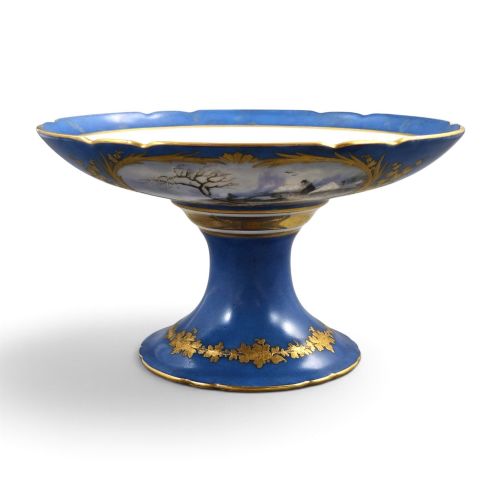
- Tazza
- A shallow ornamental cup or saucer raised on a stem and foot, utilised for display. These pieces often feature hand-painted central motifs surrounded by gilt borders.
- Champlevé
- An enamelling technique where troughs are carved into the metal surface and filled with vitreous paste before firing. This method appears on decorative clock faces and caskets.
Hand Painted Sevres: Frequently Asked Questions
Are all these pieces from the original factory?
The listings include both eighteenth-century productions from the royal French manufactory and nineteenth-century revival pieces created by other European makers and studios.
Maker marks, paste types, and mounting styles help distinguish between period items and later nineteenth-century interpretations made in the same taste.
How were these porcelain items used originally?
Many objects served functional roles in wealthy households, such as teapots for dining, inkstands for writing desks, and oil lamps for illumination.
Other items like cabinet plates, decorative vases, and jewellery caskets were strictly ornamental, designed to be displayed on mantelpieces and parlour tables.
How do I care for gilt bronze and porcelain?
Dust porcelain surfaces gently with a soft, dry cloth to protect delicate hand-painted enamel details and gold leaf embellishments from abrasion.
Avoid liquid cleaners on ormolu and gilt metal mounts, as moisture can damage the underlying bronze and alter the golden finish.
How do I identify the period of a piece?
Stylistic indicators such as Louis XVI revival motifs, Rococo curves, and Victorian proportions provide broad chronological markers for dating.
Factory marks, when present on the base of the porcelain, offer more precise information regarding the date and place of manufacture.