


Louis XVI Porcelain
Louis xvi porcelain brings together gilt bronze mounts and painted ceramic plaques in objects designed for formal European interiors.
Louis XVI Porcelain
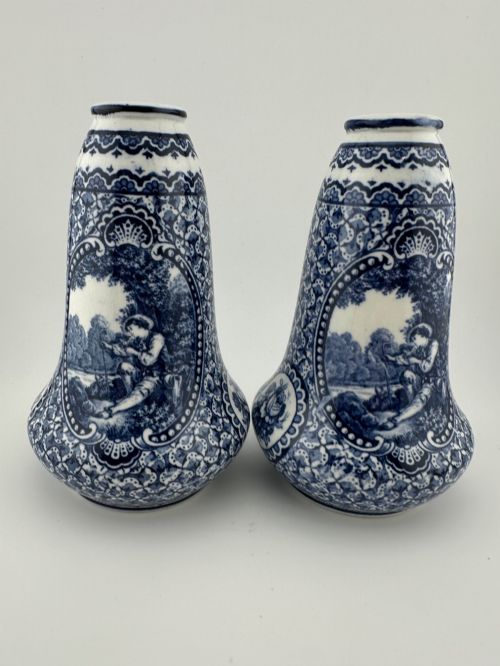
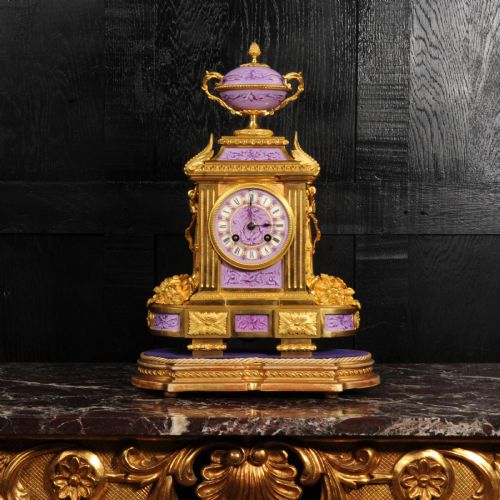
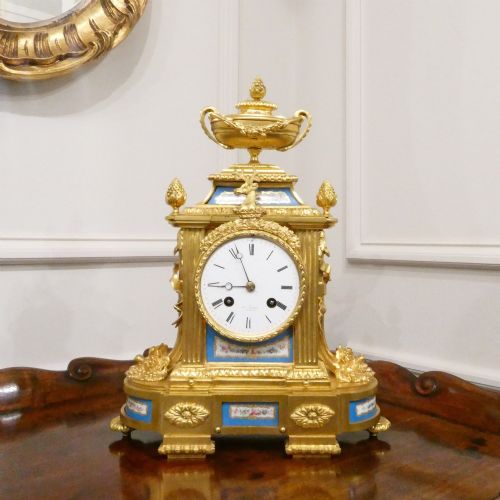
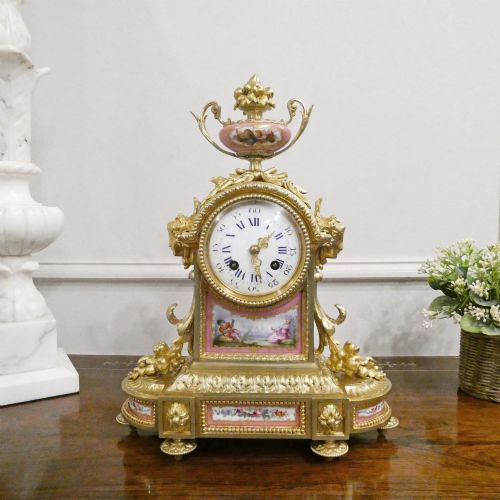
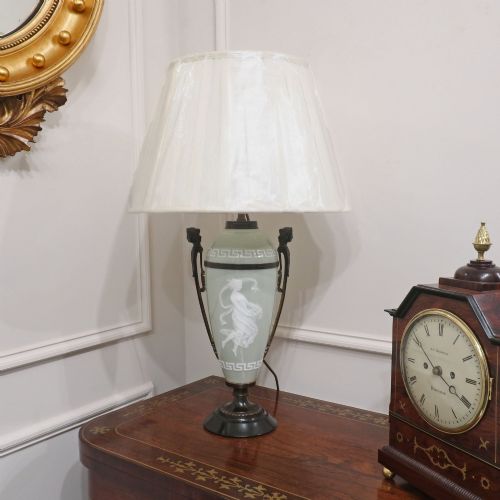
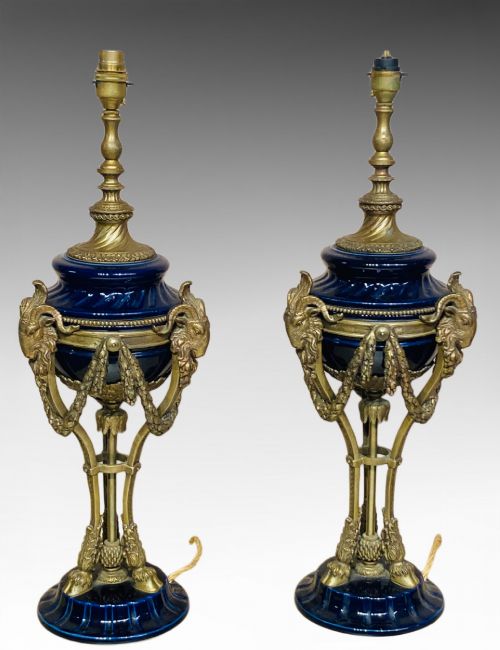
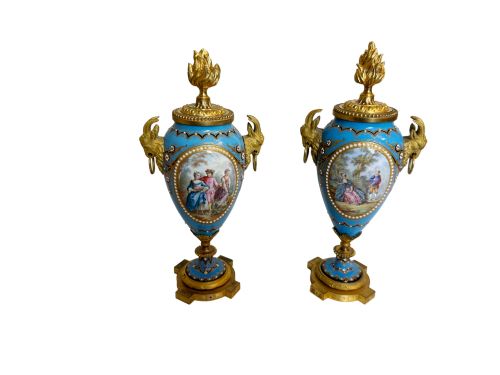
When searching for louis xvi porcelain, buyers encounter a distinct category of decorative works spanning the eighteenth and nineteenth centuries, dominated by French revival pieces from the Victorian era. Mantel clocks and side cabinets form the core of the selection, accompanied by table lamps, vases, and writing desks mounted with ceramic panels.
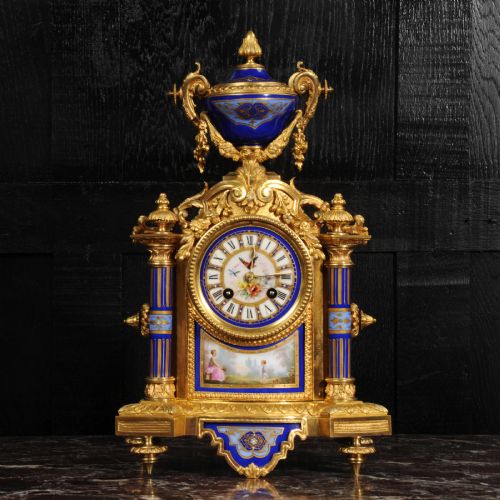
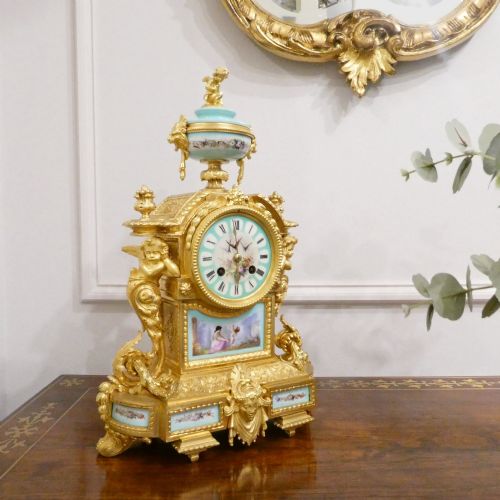
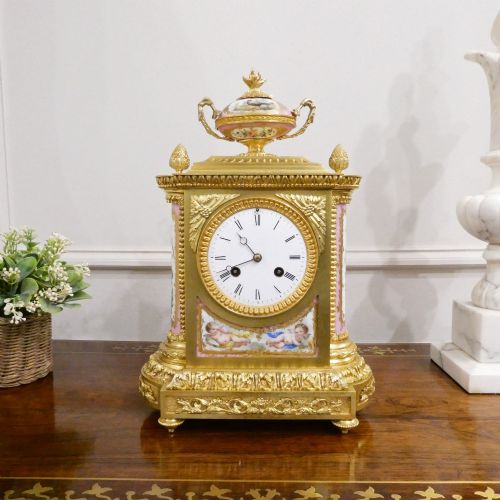
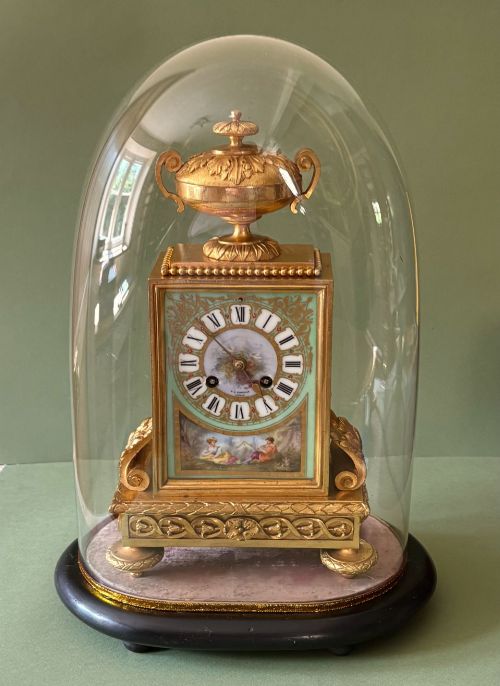
The objects most frequently met on this page are nineteenth-century gilt bronze and ormolu mantel clocks paired with Sevres porcelain, alongside side cabinets inset with painted plaques. These items reflect neoclassical restraint through symmetrical forms, straight lines, and classical motifs adapted by later French makers.
Genuine eighteenth-century examples appear alongside nineteenth-century revival interpretations produced during periods of historicist enthusiasm. Both categories utilise porcelain as a decorative surface integrated into functional furniture and timepieces.
Materials and construction
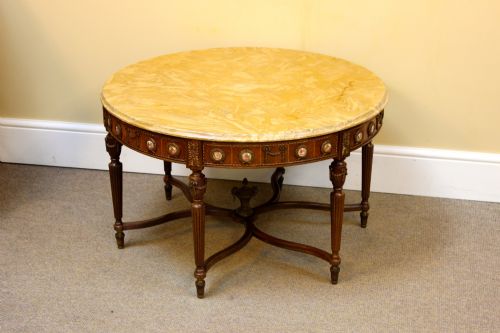
Makers combined hard-paste and soft-paste porcelain with cast ormolu and gilt bronze mounts, securing the ceramic plaques into wooden or metal frameworks using brass fixings and screws. Cabinets incorporated exotic timber veneers such as satinwood, kingwood, and rosewood, often complemented by marble tops.
Casting and chasing created the elaborate bronze elements, which were subsequently gilded to contrast with the deep blue or white glazes of the porcelain panels. Enamel and hand-painted motifs, including landscapes and putti, were fired onto the ceramic surfaces before mounting.
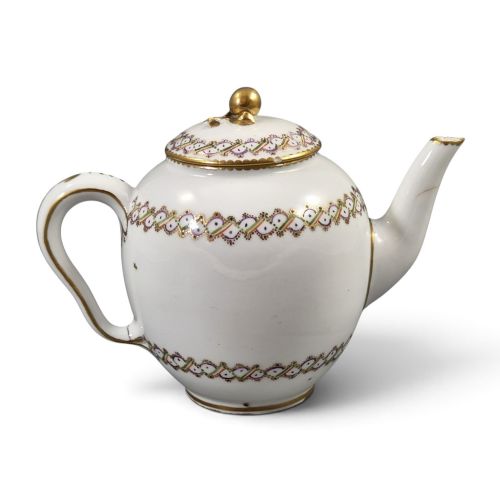
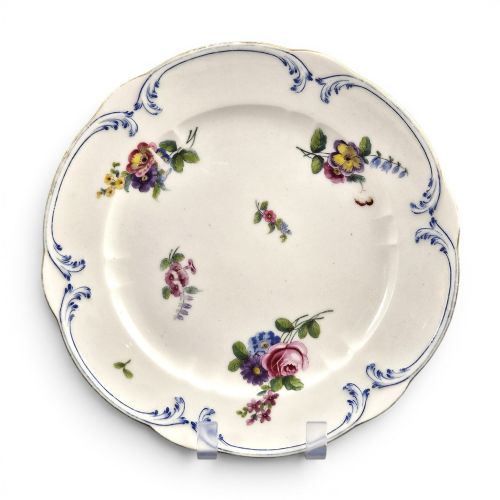
Listings feature eighteenth-century porcelain alongside nineteenth-century French revival mantel clocks, side cabinets, and table lamps.
Distinctions in execution
Quality rests upon the crispness of the bronze chasing and the delicacy of the hand-painted details on the porcelain plaques. Superior pieces display finely articulated cast mounts where foliage and figures retain sharp definition, whereas lesser items show softer, shallower detailing from worn moulds.
The integration between the ceramic elements and the metal or wooden framework indicates workshop standards, with better examples demonstrating seamless joins and high-grade gilding that resists dulling over time.
Japy Freres·Jean-Baptiste Delettrez·Achille Brocot·Henry Marc·Ambroise Michel·Le Roy et Fils
The Louis XVI Porcelain Glossary
- Ormolu
- Gilded bronze used for decorative mounts and fittings on clocks and furniture. This technique provides a bright, metallic finish that complements painted ceramic surfaces.
- Sevres
- The premier French porcelain manufactory known for soft-paste and hard-paste ceramic wares. Its marked plaques and vessels form the primary decorative components of these items.
- Pate sur pate
- A ceramic decorating technique where liquid clay is applied in successive layers to create a low-relief cameo effect. This method produces translucent white designs against a coloured porcelain ground.
- Garniture
- A set of matching decorative objects, typically comprising a clock flanked by matching vases or cassolettes. These sets were designed to sit symmetrically on a mantelpiece.
- Bonaheur de jour
- A small, light ladies' writing desk featuring a tiered superstructure with drawers or shelves. They frequently incorporate porcelain plaques within their wooden cabinetry.
Louis XVI Porcelain: Frequently Asked Questions
How do I identify a nineteenth-century revival piece?
Nineteenth-century revival works often display mechanical components and cast bronze mounts characteristic of the Victorian period rather than eighteenth-century manufacturing methods.
Maker marks on clock movements and the style of the gilt bronze chasing provide clear indicators of production dates.
Are these clocks still in working order?
Many mantel clocks feature restored eight-day movements that function reliably with regular winding and occasional professional servicing.
Listings specify whether a movement has undergone full restoration or remains in original condition.
What timber types support these porcelain mounts?
Cabinets and writing desks utilise luxury veneers including satinwood, kingwood, rosewood, and ebonised wood to frame the ceramic plaques.
These timbers are frequently combined with marble tops and brass stringing to enhance the neoclassical aesthetic.
How should these items be cleaned?
Ormolu and gilt bronze require gentle dusting with a soft, dry brush to prevent the accumulation of grime without abrading the gilding.
Porcelain surfaces can be wiped carefully with a damp cloth, avoiding any harsh chemical cleaners that might damage painted enamel.