

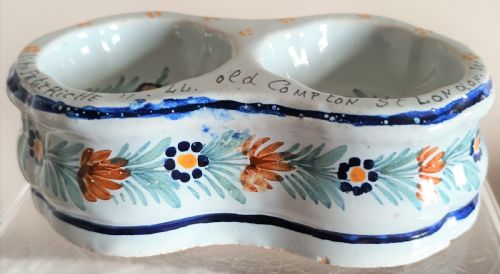
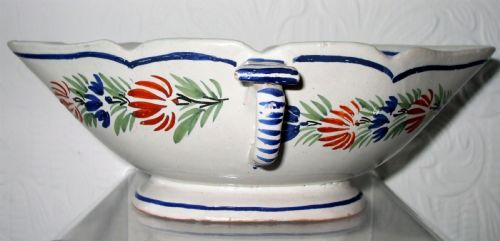


Hand Painted Quimper Pottery
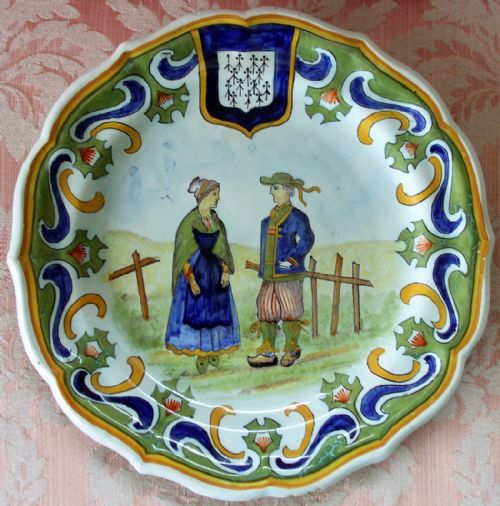
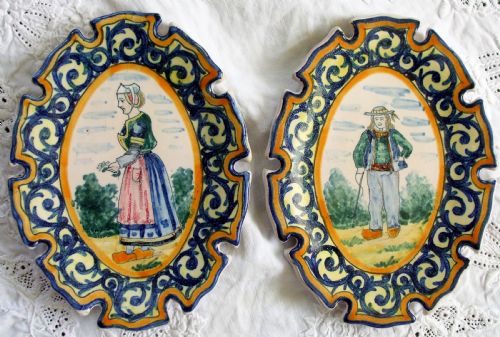
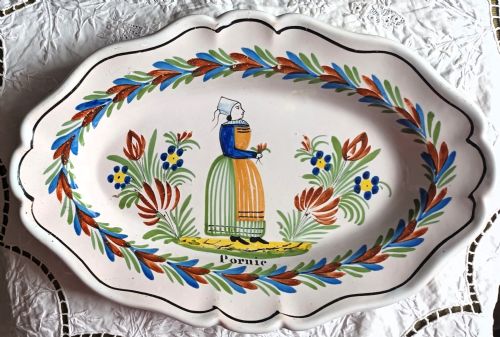
Hand painted quimper pottery brings bright French country charm to any room through tin-glazed earthenware decorated with traditional figures.
Hand Painted Quimper Pottery
Hand painted quimper pottery encompasses decorative ceramics originating from France, spanning the nineteenth and early twentieth centuries. These pieces display distinct French provincial character and regional styles.
Buyers frequently encounter practical and decorative items such as double sauceboats, table salts, pin trays, platters, and wall pockets. Many items showcase tin-glazed earthenware bodies painted with traditional motifs.
The selection ranges from nineteenth century faience to pieces dated through the nineteen tens, twenties, and thirties. French country and provincial aesthetics dominate the available forms.
How they were made
Potters shaped these objects from ceramic, earthenware, and tin-glazed earthenware bodies. The material formed a sturdy base for subsequent painting and glazing.
Artisans applied tin glaze and hand painted details directly onto the surface. This technique created the characteristic opaque finish seen on French faience.
Hand Painted Quimper Pottery Retail Price Guide 2026
Typical asking prices for hand painted quimper pottery among the pieces listed under this phrase on Sellingantiques today, from the lower quarter to the upper quarter. They describe what is for sale here now, not the wider market.
Listings feature ceramic, faience, and tin-glazed earthenware spanning from the nineteenth century through the nineteen thirties.
What varies in quality
The precision and detail of the hand painted brushwork distinguish finer examples from simpler production pieces. Skilled execution in the traditional motifs adds character to individual items.
The clarity and smoothness of the tin glaze influence the overall appearance of the ceramic body. Uniform coverage enhances the visual appeal of the piece.
HB Quimper·HR Quimper·Desvres·Aladin
The Hand Painted Quimper Pottery Glossary
- Faience
- Tin-glazed earthenware produced in France and other European countries. This ceramic type provides a smooth white background for painted decoration.
- Tin Glaze
- An opaque white glaze containing tin oxide. It allows artisans to paint vibrant colours directly onto the fired surface.
- Sauceboat
- A vessel designed for serving sauces at the table. Double sauceboats feature two spouts or compartments for different liquids.
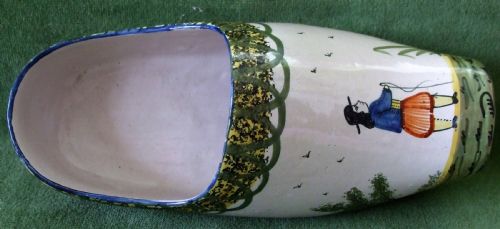
- Sabot
- A traditional wooden shoe shape rendered in ceramic form. These decorative pieces often double as small containers or ornaments.
- Wall Pocket
- A flat-backed vessel meant to hang on a wall for holding small items or dried flowers. They combine display utility with sculptural form.
Hand Painted Quimper Pottery: Frequently Asked Questions
What is hand painted quimper pottery?
Hand painted quimper pottery consists of French ceramic and faience items decorated with traditional regional designs. These pieces include functional tableware and decorative objects from the nineteenth and early twentieth centuries.
Craftsmen utilised tin-glazed earthenware to create items like sauceboats, salt cellars, and pin trays. Each piece reflects French provincial traditions through its distinct painted motifs.
How do I date quimper pottery?
Dating these ceramics involves examining the painted marks, makers' initials, and stylistic traits. Pieces often span the nineteenth century up through the nineteen thirties.
Comparing the specific lettering and decorative style helps place an item within a particular decade. Production methods also evolved slightly across this period.
Were these pieces used daily?
Many items served practical functions in the dining room or household, such as sauceboats and table salts. Other forms, like pin trays and wall pockets, fulfilled decorative roles.
Their durability came from the earthenware and ceramic bodies coated in protective glaze. This allowed both everyday utility and decorative display.
How do I display them at home?
These colourful ceramics suit country house aesthetics and traditional kitchen displays. Platters, dishes, and wall pockets fit well on walls or open shelving.
Smaller items like pin trays and salt cellars work on tabletops or sideboards. Their bright painted designs add warmth to interior spaces.