


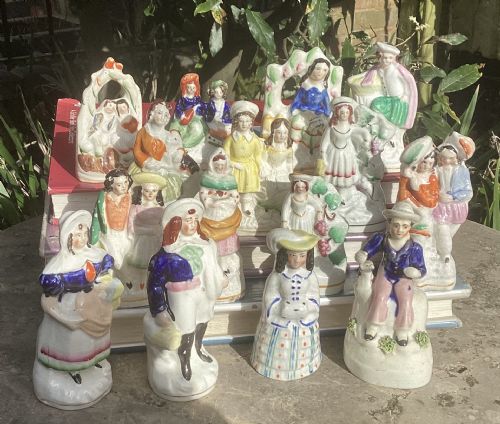


Hand Painted Pottery Statues
Hand painted pottery statues bring character to a room, ranging from robust Staffordshire figures to delicate porcelain.
Hand Painted Pottery Statues
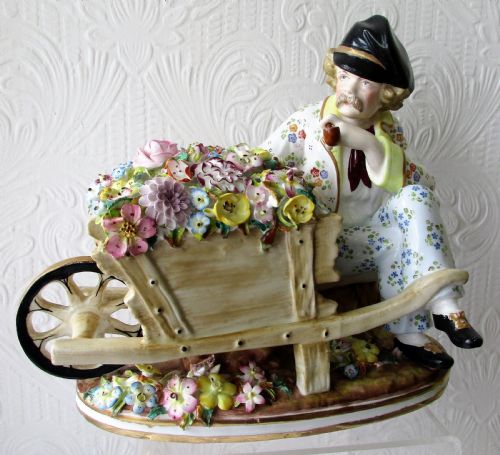
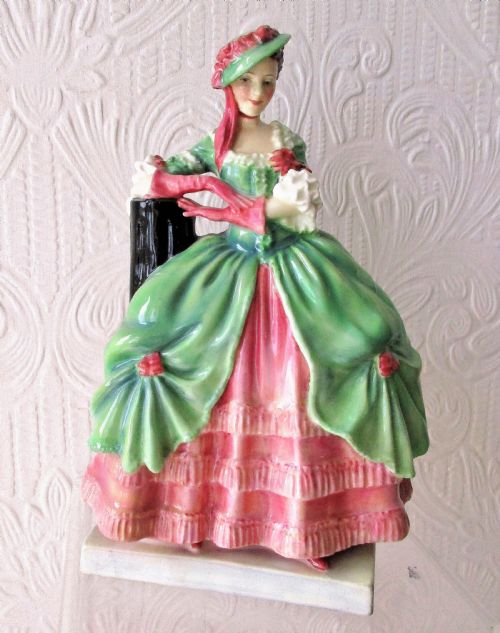
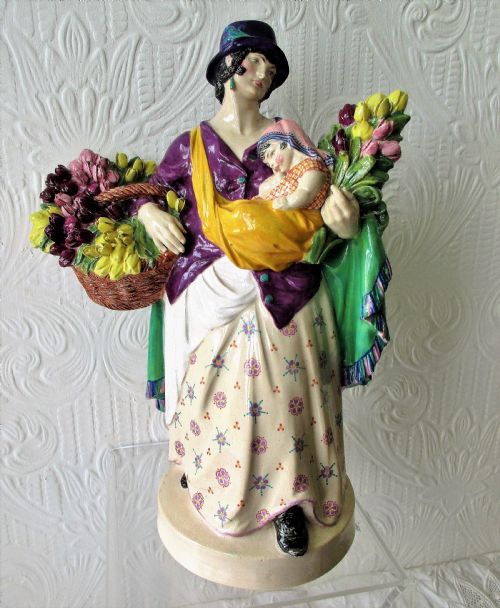
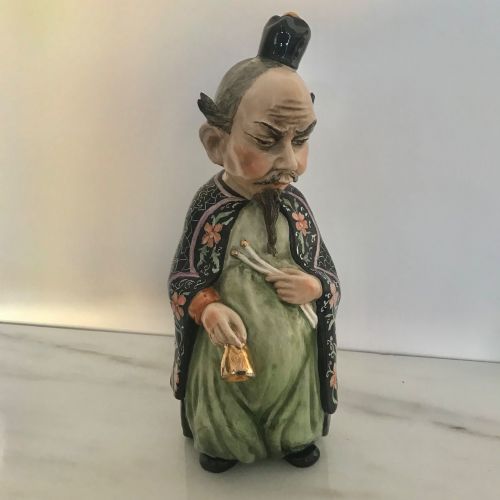
Hand painted pottery statues encompass a diverse array of decorative figures, ceramic figurines, and sculptures spanning multiple centuries. When exploring hand painted pottery statues, one encounters English Staffordshire earthenware, Chinese porcelain, and Japanese Kutani pieces alongside Art Deco busts.
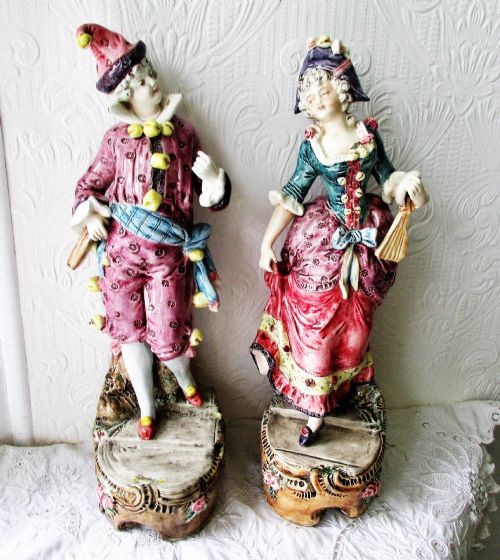
The selection here draws heavily from nineteenth century Victorian examples and early twentieth century studio pottery. Buyers frequently find paired mantel figures, historical subjects, and animal sculptures executed in traditional ceramic bodies.
Materials and production
The pieces rely on basic ceramic materials including earthenware, terracotta, clay, and porcelain. Potters shaped these bodies by hand or in moulds before applying glazes and enamel details.
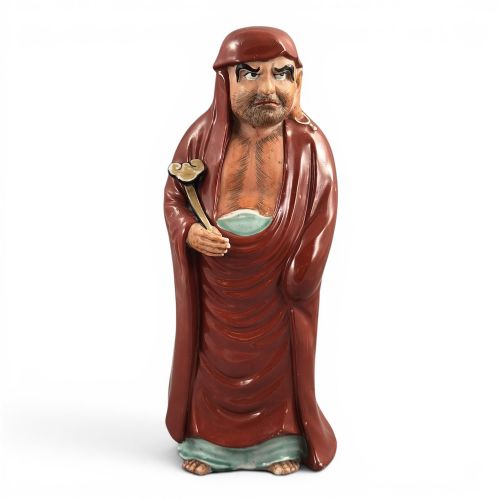
Surface decoration often involves hand painted enamel glaze applied over fired clay or porcelain. Sancai glaze and underglaze pigments appear on pieces from eastern traditions, while English works use rich overglaze colours.
The listings span earthenware, porcelain, and terracotta, covering Victorian Staffordshire alongside Japanese Meiji and Chinese Qing works.
Assessing quality
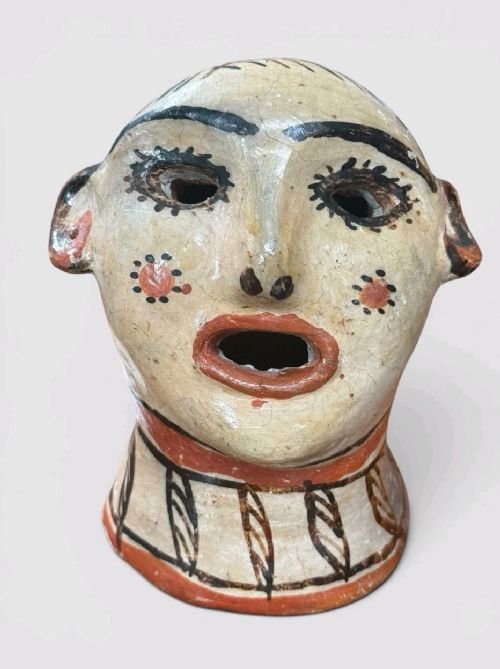
The weight and stability of the clay body, combined with the depth of the glaze, set the finer statues apart from simpler utilitarian wares. Fine studio pottery shows distinct individual artistic intent in both form and surface execution.
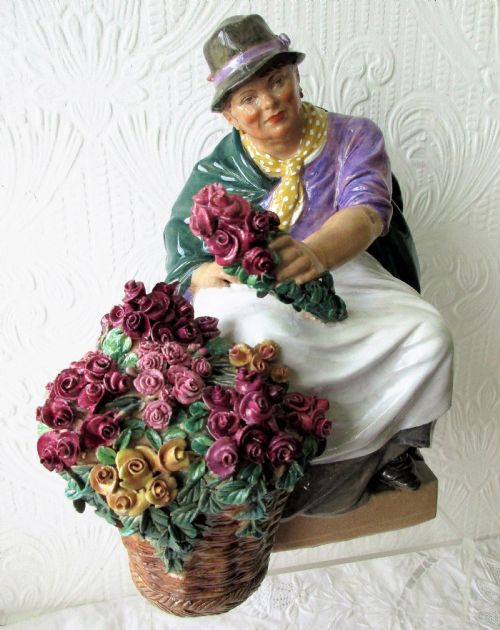
Charles Vyse·John Bevington·Royal Doulton
The Hand Painted Pottery Statues Glossary
- Earthenware
- A porous pottery body fired at lower temperatures, commonly used for traditional Staffordshire figures and needing a glaze to remain watertight.
- Enamel glaze
- A vitreous composition fused to the surface of ceramic pieces during firing, providing a smooth, glossy, and colourful finish.
- Terracotta
- Unglazed or fired brown-red clay used directly for sculptural busts and figures, showing the natural earthy tone of the material.
- Porcelain
- A dense, vitrified ceramic material made from kaolin, known for its bright white body and resonant quality when struck.
Hand Painted Pottery Statues: Frequently Asked Questions
How do I clean old pottery figures?
Dust the surface gently with a soft, dry brush to remove particles without disturbing delicate enamel paint.
Avoid using water or liquid cleaners on antique earthenware and older painted finishes, as moisture can penetrate porous clay bodies or damage historical pigments.
What periods do these statues cover?
The pieces span from the nineteenth century through the Edwardian era and into the mid-twentieth century. Victorian Staffordshire and twentieth century studio ceramics form the core of the selection.
Earlier nineteenth century examples sit alongside Art Deco and later modernist ceramic busts, reflecting diverse global ceramic traditions.
Are these figures solid or hollow?
Many larger ceramic and earthenware figures are cast as hollow bodies to ensure even firing in the kiln. Smaller statues and solid-modelled animals may use denser clay construction depending on the workshop tradition.
Checking the base often reveals the opening used by the potter to release gases and support the structure during the firing process.
How do I identify Staffordshire figures?
Staffordshire figures typically feature earthenware bodies with hand painted overglaze colours depicting historical figures, animals, or pastoral scenes. They were produced primarily in English potteries during the nineteenth century.
Many examples are modelled as pairs for mantelpiece display, showing distinct folk art charm and characteristic crazing in the glaze.