



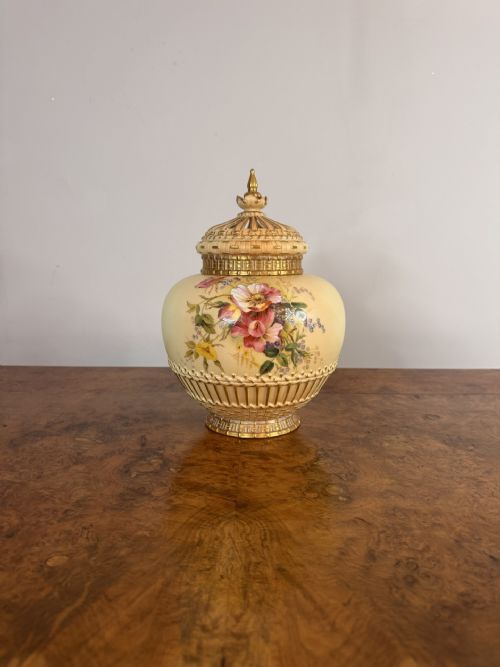
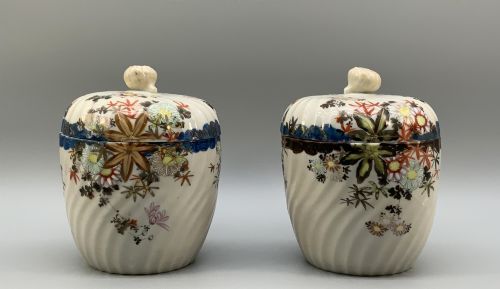
Hand Painted Pot
When you search for a hand painted pot, you enter a diverse field of ceramic and glass vessels created across multiple centuries.
Hand Painted Pot
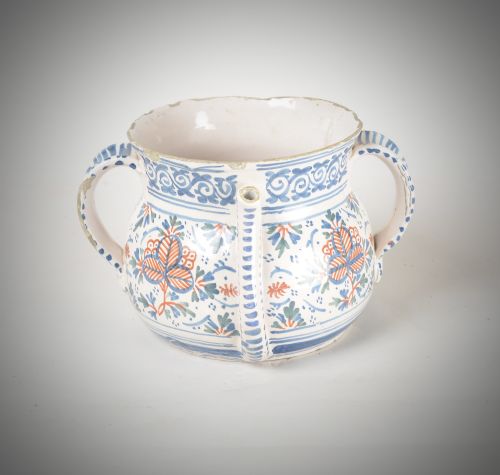
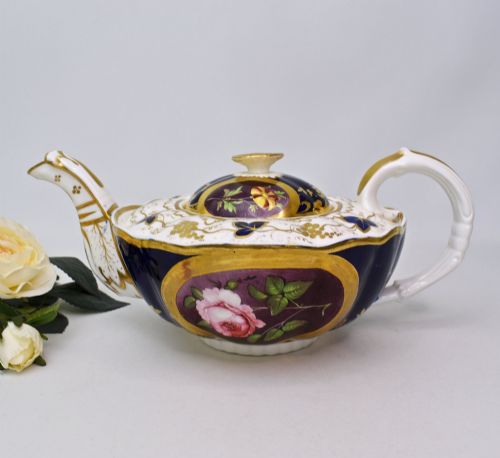
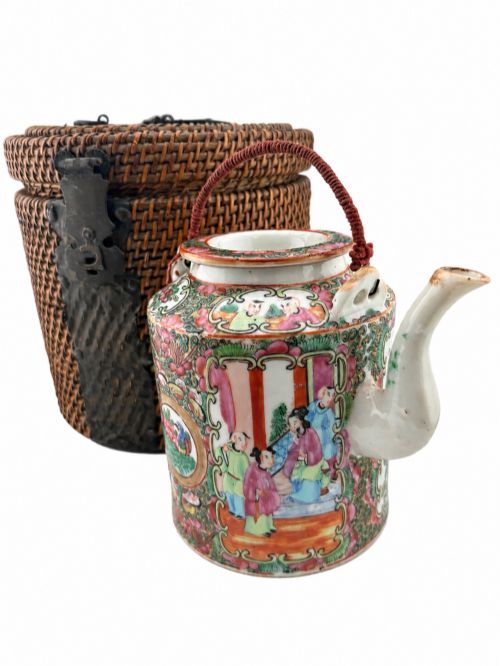
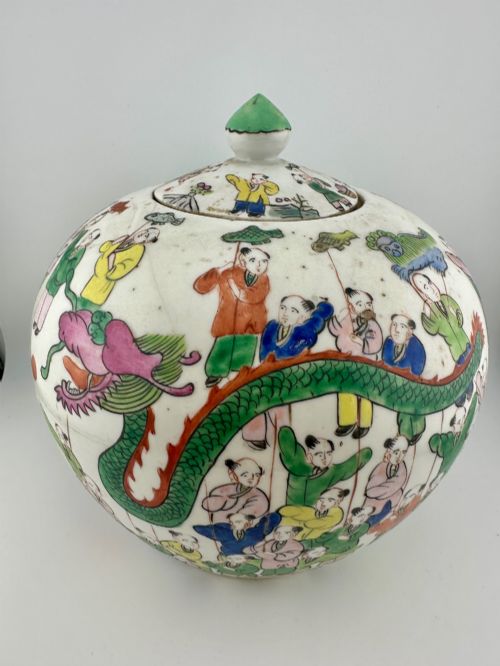
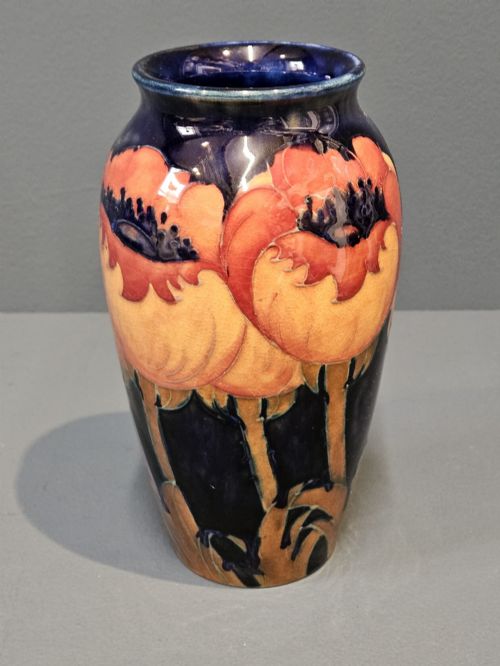
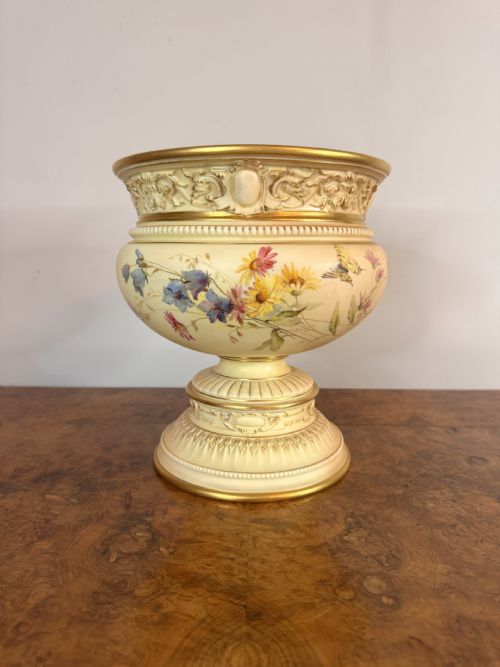
A hand painted pot spans utilitarian and decorative vessels including teapots, jardinieres, vases, and lidded jars produced across various centuries. Buyers encounter English porcelain, Chinese export wares, and Japanese ceramics decorated with floral, figurative, and landscape motifs.
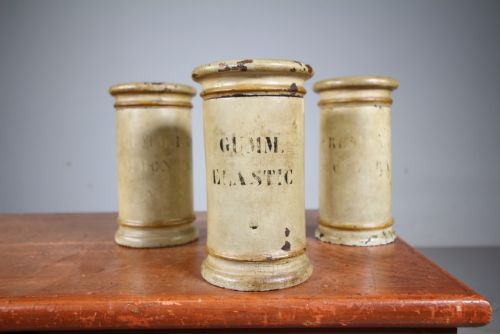
The selection ranges from Georgian creamware and First Period Worcester to Victorian Royal Worcester and Japanese Satsuma wares. Forms vary from small trinket boxes and pounce pots to large garden urns and cachepots.
Originating from diverse traditions including Qing Dynasty China, the Meiji Period in Japan, and European factories, these vessels reflect regional painting styles and ceramic bodies.
How they were made
Makers utilised porcelain, earthenware, creamware, and glass as bases for polychrome and blue and white painted decoration. Enamel and gold leaf or gilding were frequently applied over glazes to highlight specific motifs and vessel contours.
Firing techniques varied between European porcelain factories, earthenware potteries, and Asian kilns, often incorporating hand-applied pigments followed by secondary kiln firings to set the enamel colours.
Hand Painted Pot Retail Price Guide 2026
Typical asking prices for hand painted pot among the pieces listed under this phrase on Sellingantiques today, from the lower quarter to the upper quarter. They describe what is for sale here now, not the wider market.
Listings feature 18th-century, 19th-century, and 20th-century periods, utilising porcelain, earthenware, enamel, and gold leaf.
What varies in quality
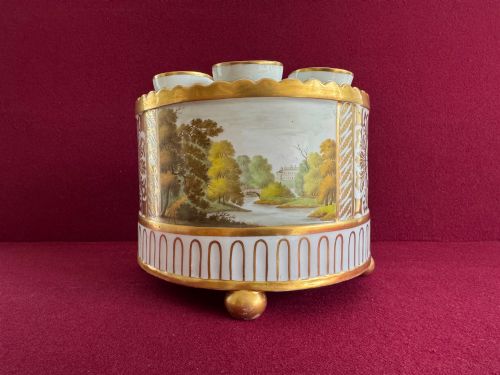
The finesse of the brushwork distinguishes standard production pieces from superior examples, particularly in the rendering of facial expressions, foliage, and intricate border patterns. Superior pieces display confident, precise lines and balanced colour palettes.
The sophistication of the glaze and the integration of secondary materials, such as sterling silver mounts or gilt detailing, contribute to the standing of an individual vessel.
Royal Worcester·Barr Flight And Barr·Spode·Kinkozan·Derby Porcelain
The Hand Painted Pot Glossary
- Jardiniere
- A large decorative pot or stand for holding plants or flowers. These vessels often feature prominent hand painted floral or landscape scenes.
- Famille Rose
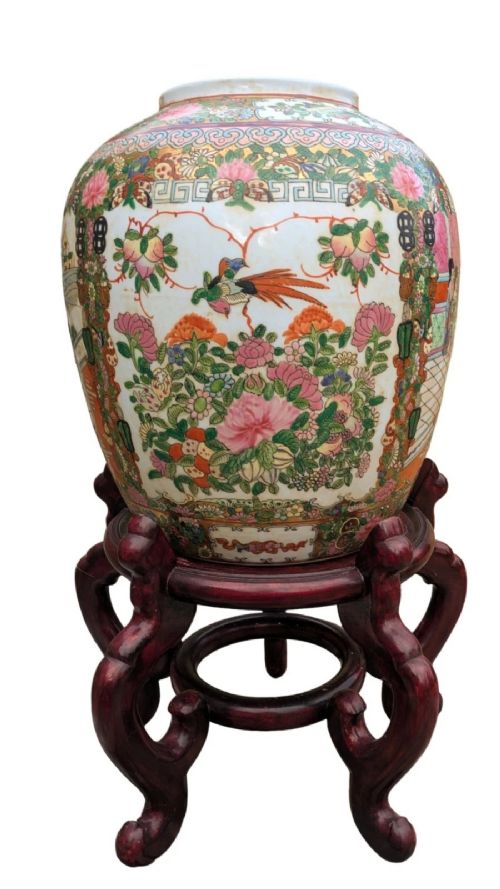
- A palette of Chinese porcelain enamels dominated by opaque pink or rose colours. This style emerged during the Qing Dynasty and was widely exported.
- Creamware
- A refined earthenware developed in England with a pale yellowish cream glaze. It provided a smooth surface suited for painted decoration.
- Sucrier
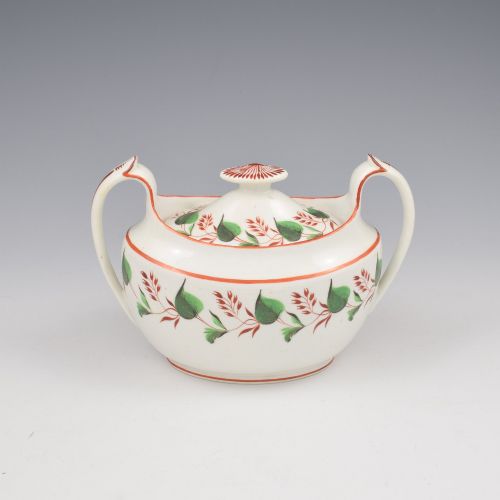
- A small lidded pot or bowl designed for holding sugar at the tea table. These pieces often match contemporary teapots and cups.
Hand Painted Pot: Frequently Asked Questions
How do I identify Chinese export pots?
Chinese export pots often feature characteristic famille rose or blue and white palettes applied to porcelain bodies. Marks on the base, such as dynasty periods or character seals, help determine their origin.
Motifs frequently include figures, dragons, birds, and flowers rendered with distinct brush techniques specific to Qing Dynasty production.
What is a pot pourri jar used for?
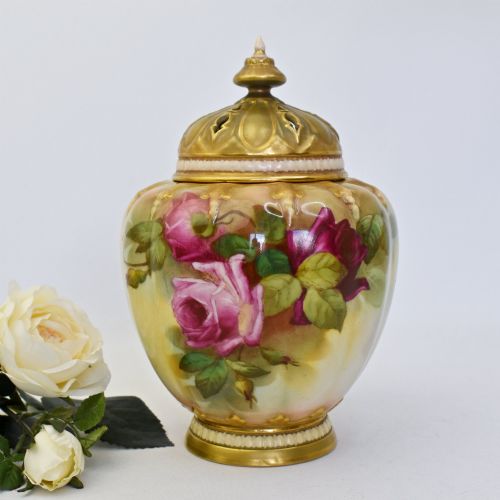
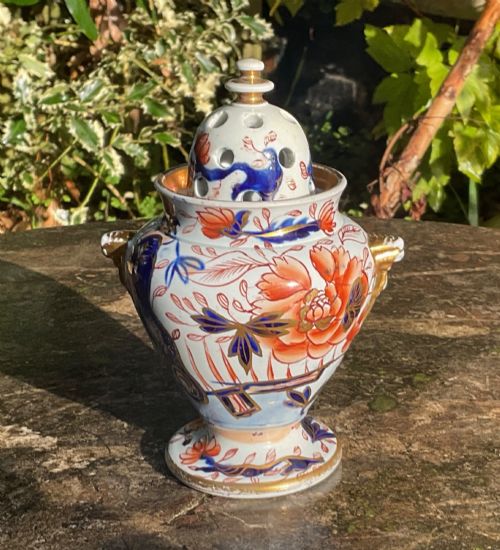
Pot pourri jars were designed to hold dried plant material mixed with natural spices to fragrance interior spaces. Their pierced lids allowed the scent to diffuse gently into the room.
These vessels often featured elaborate hand painted floral decorations suited for prominent display on mantelpieces or tables.
How do I care for antique painted ceramics?
Antique painted ceramics require gentle handling and should be cleaned only with a dry or very slightly damp soft cloth. Harsh detergents or immersion in water can damage delicate overglaze enamels and gilding.
Displaying pieces away from direct sunlight preserves the vibrancy of the hand painted pigments over time.
What is the difference between porcelain and earthenware?
Porcelain is fired at extremely high temperatures, resulting in a vitrified, non-porous white body that often rings when struck. Earthenware is fired at lower temperatures, producing a more porous, opaque body that requires glaze to become waterproof.
Both materials served as canvases for hand painted decoration across different periods and manufacturing traditions.