
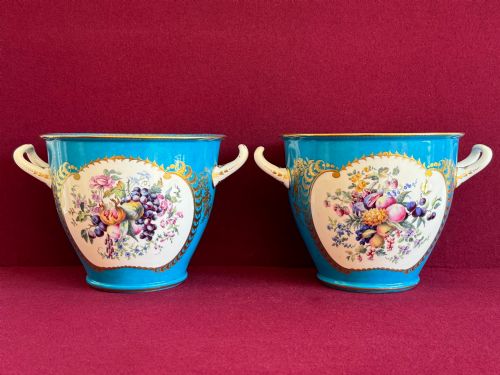
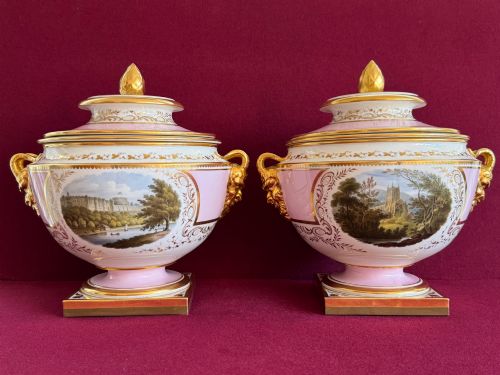
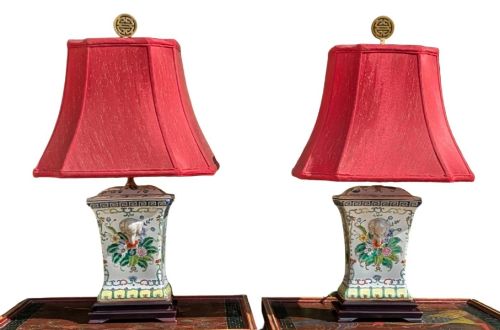
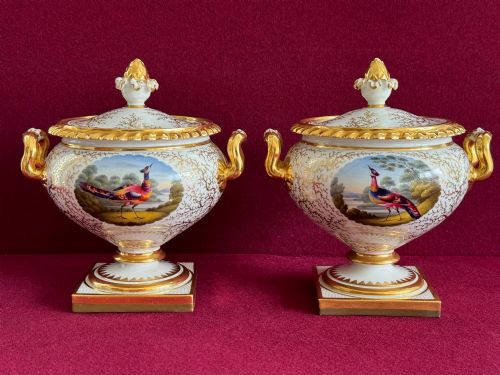
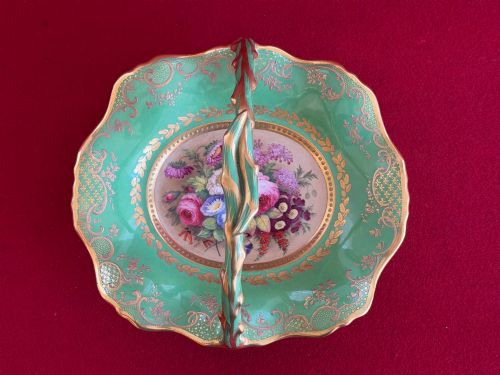
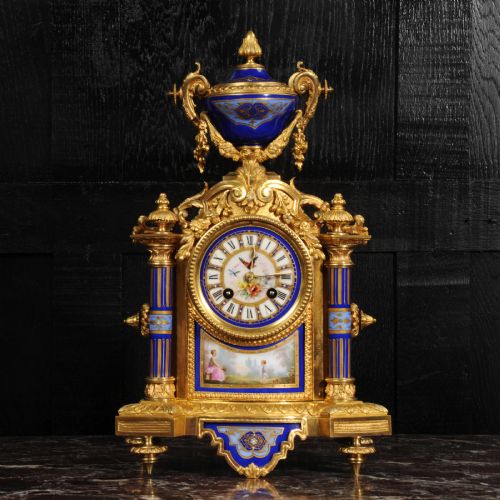
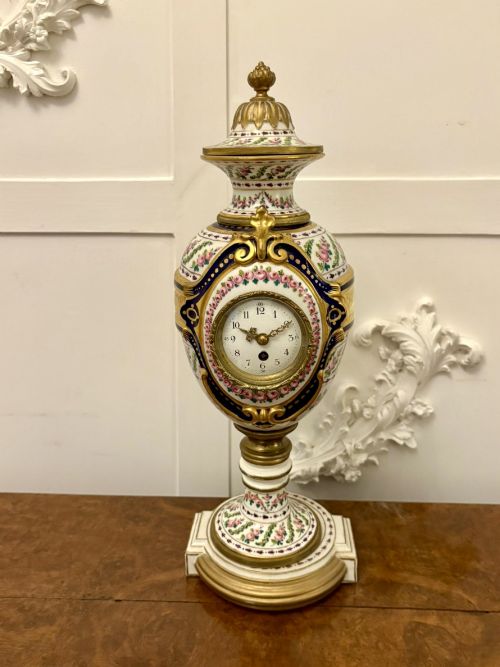
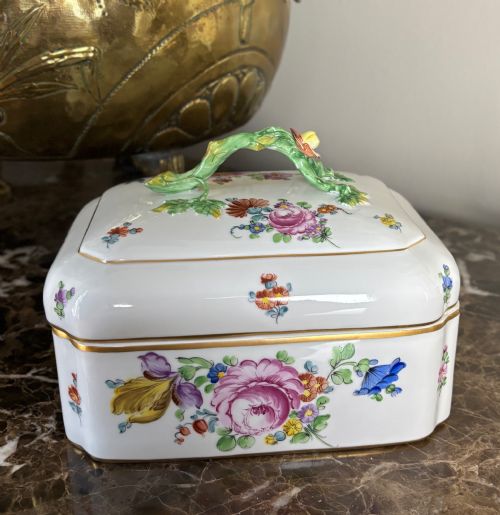

Hand Painted Porcelain Table
These hand painted porcelain table pieces combine painted ceramic bodies with bronze, ormolu, and brass mounts across Victorian, Edwardian, and earlier periods.
Hand Painted Porcelain Table
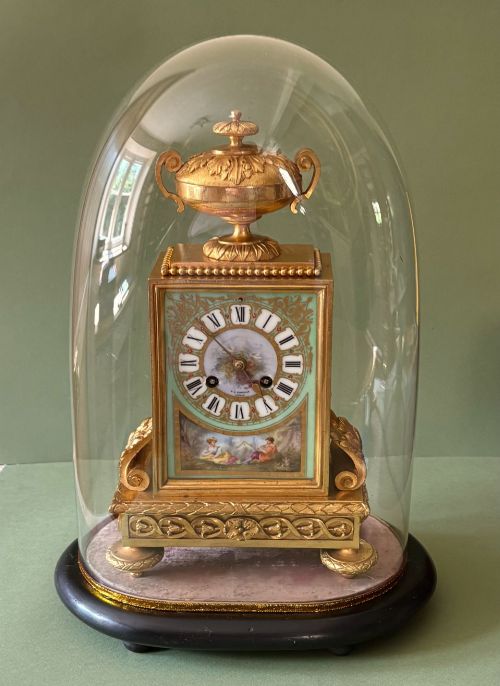
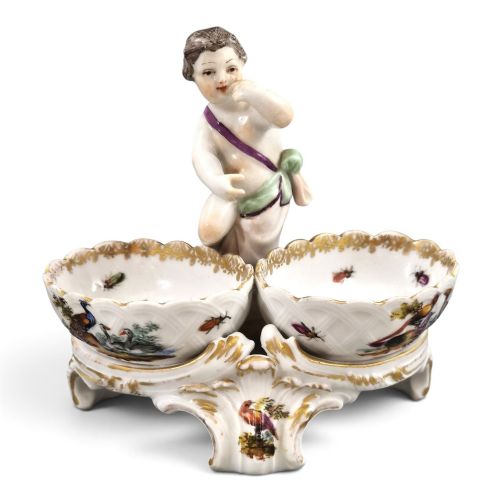
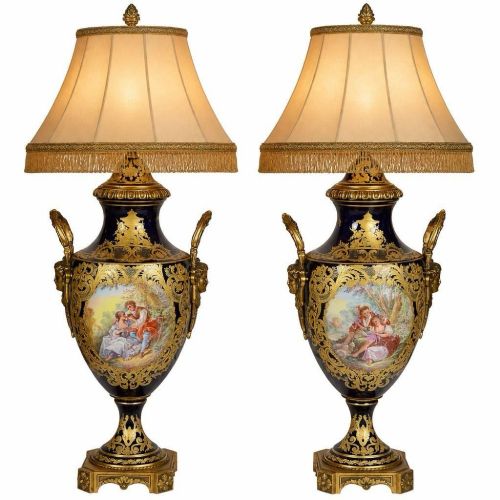
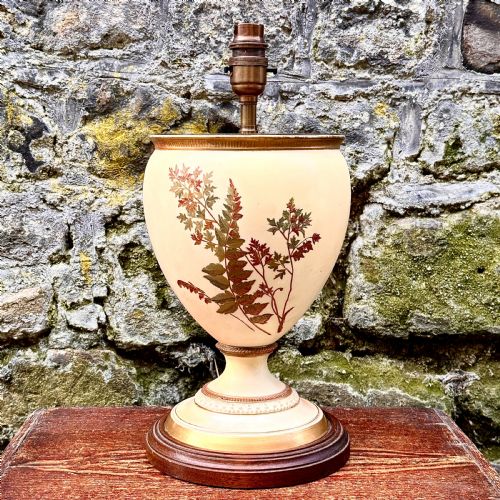
A hand painted porcelain table item typically manifests as a converted vase, mantel clock, centrepiece, or lamp originating from nineteenth and early twentieth century workshops.
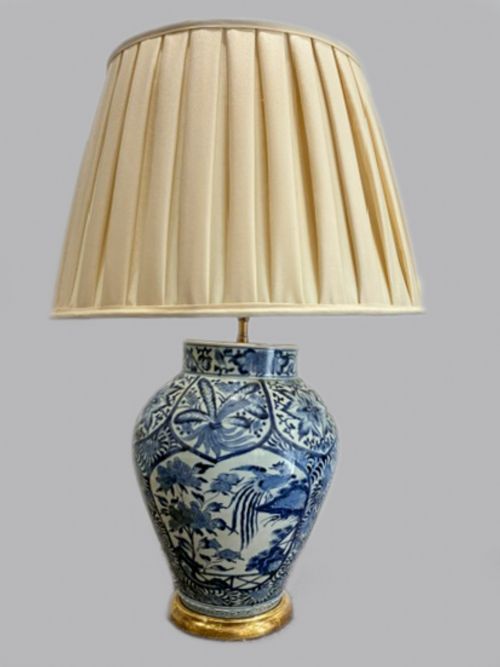
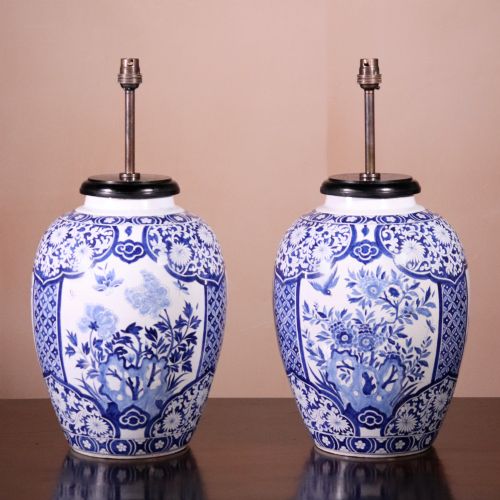
The selection here ranges from French mantel clocks and English porcelain vases to Japanese Satsuma and Kutani lamp conversions, representing diverse global ceramic traditions.
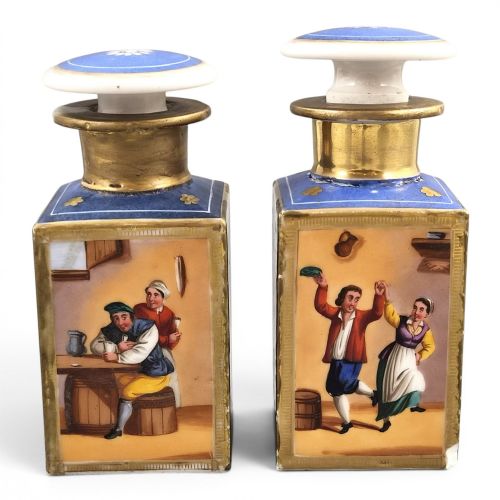
Buyers encounter decorative vessels and functional lighting fixtures adorned with hand-painted floral, figurative, and Chinoiserie motifs set into gilt metal or wooden bases.
How they were made
Makers shaped ceramic bodies on the wheel or in moulds before applying enamel pigments by hand and firing the pieces at high temperatures to set the colours.
Metal mounts in gilt bronze, brass, or ormolu were cast and chased separately, then fitted closely around the porcelain vessels using pins, screws, or bronze collars.
Materials recorded across the listings include porcelain, enamel, brass, gold leaf, glass, gilt bronze, wood, and ormolu.
What varies in quality
The finesse of the brushwork defines the tier of a piece, distinguishing hurried factory output from meticulously detailed hand-painted scenes with subtle shading and precise outlining.
The execution and weight of the metal mounts, such as cast ormolu and gilt bronze, indicate the original cost and ambition of the manufacture.
KPM Berlin·Royal Worcester·Royal Doulton·Japy Freres·PH Mourey·John Davenport of Longport
The Hand Painted Porcelain Table Glossary
- Ormolu
- Gilded bronze mounts applied to furniture, clocks, and porcelain vessels. This technique involves coating cast bronze with a mercury and gold amalgam before heating.
- Chinoiserie
- European decorative motifs imitating Chinese artistic styles. This aesthetic appears frequently on porcelain and lacquered items during revival periods.
- Rococo Revival
- A nineteenth-century design style reviving eighteenth-century asymmetrical scrollwork, floral motifs, and C-scrolls. It appears frequently on French and English porcelain mounts and clock cases.
- Bocage
- An applied porcelain background of leaves and branches often found behind eighteenth-century animal and human figures. It provides a dense botanical setting for the main subject.
Hand Painted Porcelain Table: Frequently Asked Questions
What periods do these pieces come from?
The selection spans from the seventeenth century through the Victorian and Edwardian eras up to the early twentieth century.
Nineteenth-century items dominate the offerings, alongside earlier eighteenth-century vessels and later twentieth-century lamp conversions.
How were these porcelain lamps made?
Many lamps began life as decorative vases, ewers, or ginger jars before being professionally converted for electrical use.
Original ceramic bodies retain their hand-painted glazes, mounted onto metal bases with fitted wiring.
How do I identify French mantel clocks?
French mantel clocks combine hand-painted porcelain panels or dials with heavy gilt bronze or ormolu cast frames.
Maker signatures such as Japy Freres or PH Mourey often appear stamped on the internal brass clock movements.
What styles are represented here?
The inventory records French Rococo Revival, Louis XVI Revival, Chinoiserie, and Victorian designs alongside Japanese Satsuma and Kutani wares.
These diverse styles reflect European and Asian manufacturing trends across multiple centuries.