




Hand Painted Porcelain Cachepot
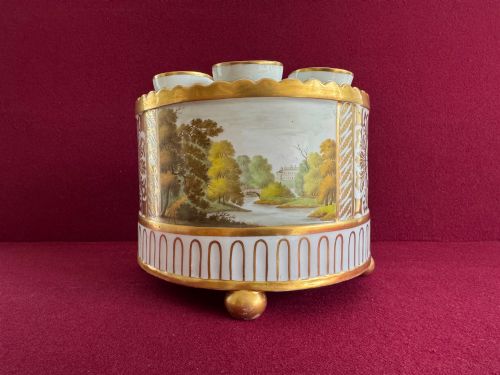
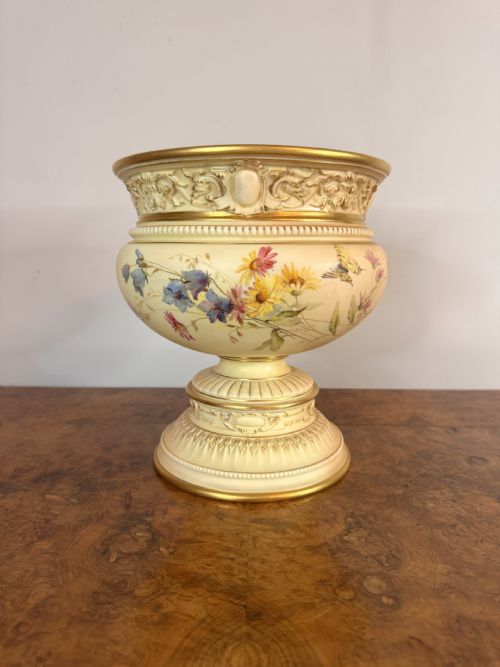
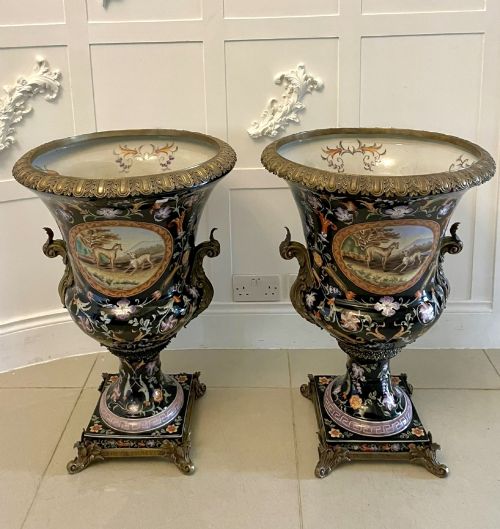
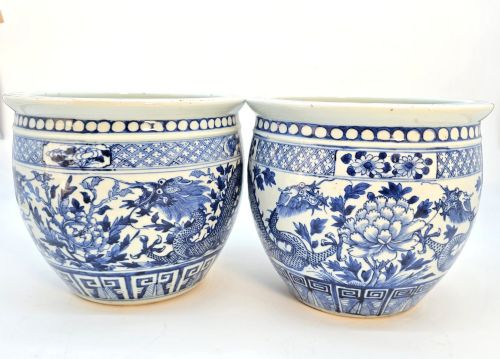
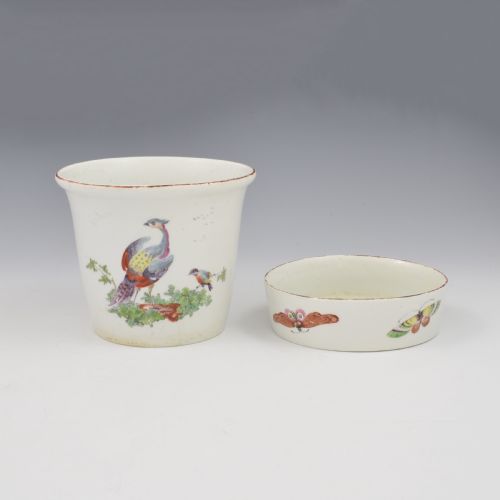
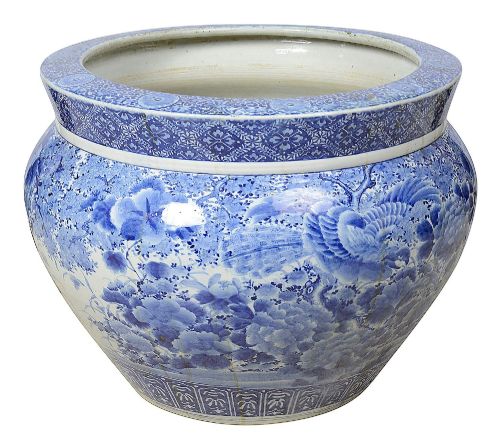
These hand painted porcelain cachepot pieces are decorative plant pots designed to hold indoor greenery, offering an instant touch of historic elegance to a room.
Hand Painted Porcelain Cachepot
A hand painted porcelain cachepot is primarily designed to house potted plants while protecting interior surfaces from water damage. Buyers searching this phrase encounter variations that span multiple periods, including the eighteenth century, the nineteenth century, and the early twentieth century.
The forms vary across the listings from traditional cachepots and planters to jardinières, bough pots, and vases. Many pieces originate from European factories in England, France, and Germany, alongside significant export wares from Japan and China.
How they were made
The foundation of these items is ceramic or soft-paste porcelain, shaped by hand or moulded before receiving detailed hand-painted decoration in enamel, cobalt underglaze, and gold leaf. Firing in kilns set the glazes, often followed by secondary gilding and enamelling steps.
Certain items incorporate additional structural elements such as brass mounts, which provide stability and decorative trim to the porcelain bodies.
Hand Painted Porcelain Cachepot Retail Price Guide 2026
Typical asking prices for hand painted porcelain cachepot among the pieces listed under this phrase on Sellingantiques today, from the lower quarter to the upper quarter. They describe what is for sale here now, not the wider market.
The listings feature pieces spanning the 18th century, Georgian era, Victorian period, and early 20th century.
What varies in quality
The standard of a hand painted porcelain cachepot rests on the precision and artistry of the hand painting, from simple floral motifs to intricate Chinoiserie and figurative scenes. Crispness in the cobalt underglaze and the application of gold leaf indicate the skill of the original decorators.
The prestige of the maker and the preservation of the porcelain body, glaze, and any associated metal mounts also determine the distinction between standard production items and exceptional works.
Barr Flight And Barr·Royal Worcester·Coalport·Dresden
The Hand Painted Porcelain Cachepot Glossary
- Cachepot
- A decorative container used to hold a flowerpot and conceal the inner vessel. The French term translates directly to hide pot.
- Bough pot
- A vessel created specifically for holding cut branches of flowering shrubs or trees. They often feature fitted pierced covers to keep stems upright.
- Soft-paste porcelain
- A ceramic material composed of clay and glass frit, fired at lower temperatures than hard-paste porcelain. It produces a warm, slightly translucent body.
- Cobalt underglaze
- A blue pigment applied to ceramic pieces before glazing and firing. It withstands high kiln temperatures without losing definition.
Hand Painted Porcelain Cachepot: Frequently Asked Questions
How do I use a cachepot?
Place a potted plant inside the vessel so that excess water collects at the bottom without staining furniture surfaces. Ensure the inner pot fits comfortably within the ceramic walls.
Most historic pieces are designed primarily for decorative display, so lining them or placing a smaller saucer inside helps protect the antique interior from moisture.
Are cachepots and jardinières the same?
Both terms describe vessels for plants, though jardinières tend to be larger and deeper. Cachepots specifically function to hide standard plant pots.
In practical terms, the titles overlap frequently across different eras and manufacturing traditions, often depending on whether the vessel includes a drip tray.
How do I date a porcelain pot?
Examine the base for factory marks, painted ciphers, or impressed seals that correspond to known operational periods. Style indicators like Chinoiserie or Regency details also point toward specific decades.
Material composition, such as the use of soft-paste porcelain or specific glazes, helps narrow down the century of manufacture.
How do I clean antique porcelain?
Dust the surface gently with a soft, dry cloth to remove everyday particles. Avoid harsh chemical cleaners that might damage the hand-painted enamel or gold leaf.
If washing is necessary, use lukewarm water with mild soap, and dry the piece immediately with a soft towel.